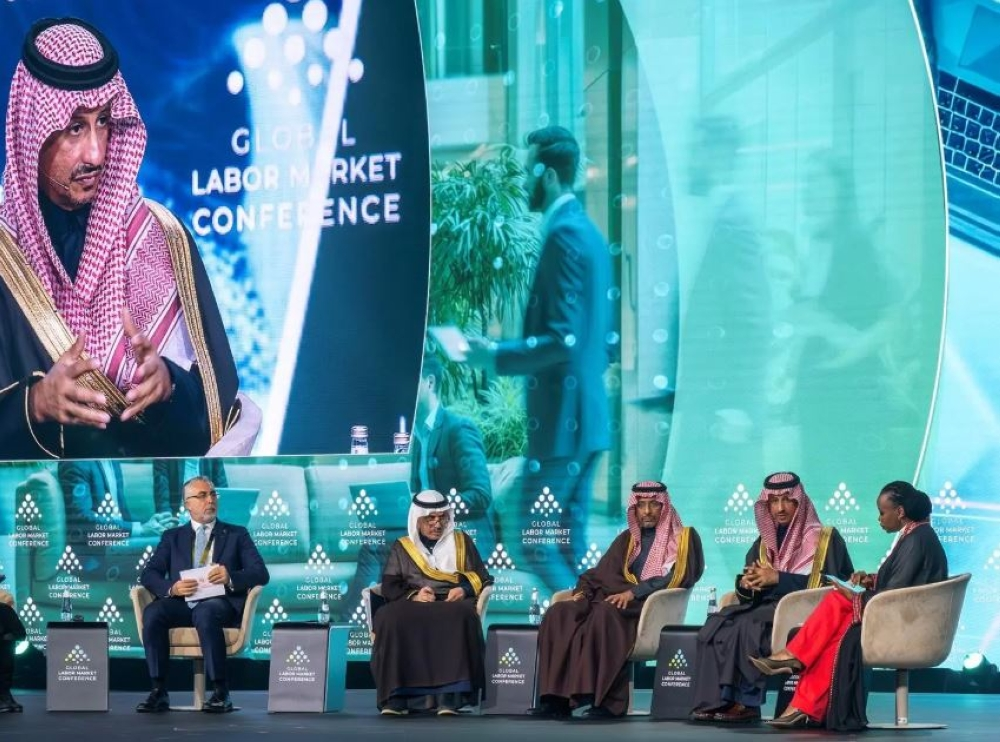
Strategic shift in the Saudi economy
His Excellency the Minister of Tourism, Mr. Ahmed Al-Khatib, announced a historic achievement for the tourism sector in the Kingdom of Saudi Arabia, revealing that the number of employees in the sector exceeded one million by the end of last year. This statement was made during his participation in a panel discussion at the third edition of the International Labor Market Conference in Riyadh, where he emphasized that this rapid growth is a direct result of the strategic transformation launched by the Kingdom's Vision 2030.
Al-Khatib explained that the vision constituted a pivotal turning point in the course of the national economy, as it led the Kingdom to move from almost total dependence on the oil, gas and petrochemical sectors to diversifying sources of income by launching and developing promising economic sectors, foremost among them tourism, culture and entertainment, which opens new horizons for sustainable growth and providing job opportunities for citizens.
Saudi tourism: From Hajj and Umrah to a global destination
Historically, tourism in the Kingdom has been primarily linked to religious tourism, specifically Hajj and Umrah pilgrimages. However, with the launch of Vision 2030, the Kingdom has adopted a new approach aimed at transforming itself into a leading global tourist destination. A key step in this transformation was the introduction of the tourist visa system in 2019, which opened the Kingdom's doors to visitors from around the world to explore its cultural, historical, and natural treasures. This openness has not only contributed to an increase in tourist numbers but has also created a huge demand for human resources in various fields, including hospitality, tour guiding, and logistics.
A key driver for job creation and empowering national talent
Based on data from the United Nations Tourism Organization, Minister Al-Khatib emphasized that the tourism sector is the world's largest job creator, contributing approximately 10% to total employment and the global economy. He also highlighted the sector's inclusive nature, noting that women comprise about 45% of its workforce, and that it is particularly attractive to young people due to its reliance on soft skills such as communication, customer service, and hospitality.
He added: “With the expansion of mega tourism projects such as the Red Sea Project, Qiddiya, and NEOM, the demand for qualified personnel is increasing. Therefore, the Ministry, in its capacity as a regulatory body, is working to bridge the skills gap through specialized training and development programs to ensure that national talent is ready to lead this vital sector and convey our authentic local culture to international visitors.” These efforts have resulted in the creation of approximately 250,000 new jobs, bringing the total number of employees from 750,000 to over one million.
Economic and social impact: Beyond just numbers
The impact of tourism sector growth extends far beyond mere economic figures, encompassing profound social and cultural dimensions. Domestically, the sector directly contributes to reducing unemployment, empowering youth and women, and fostering the development of local communities across the Kingdom. Internationally, this transformation strengthens the Kingdom's position as a key player on the global tourism map, attracts foreign investment, and helps build bridges of cultural exchange with the world, aligning with the ambitious goal of welcoming 150 million visitors by 2030.