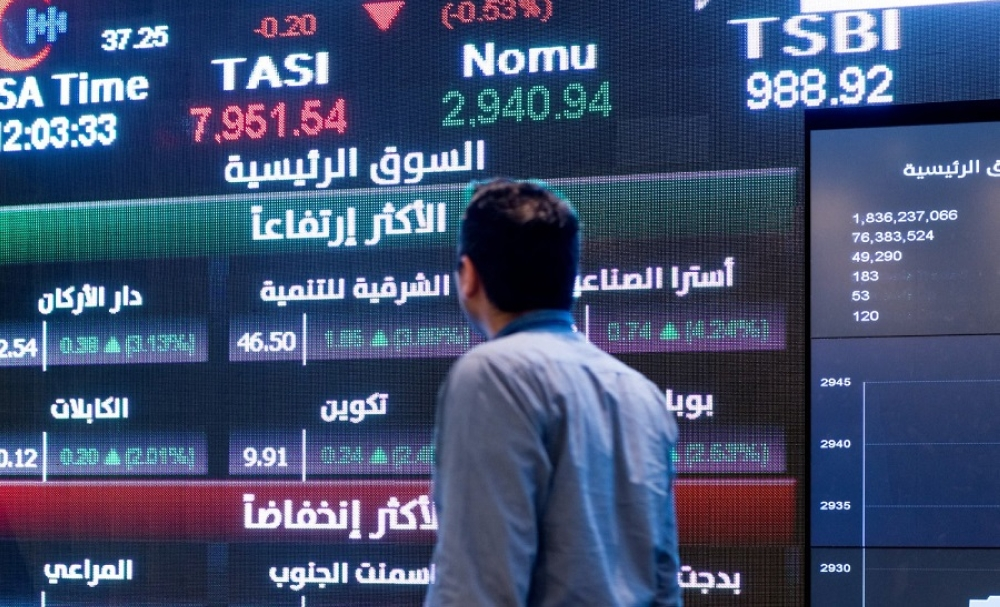
The Saudi Stock Exchange's main index (TASI) opened trading on Tuesday on a negative note, declining by 0.7% to trade at 10,423 points. The morning session witnessed significant selling activity, with trading value reaching approximately SAR 239 million and the volume of shares traded reaching nearly 13 million shares, according to data from Tadawul.
Company and sector performance
Trading screens reflected widespread pressure across most market sectors, with 223 listed companies' shares closing in the red, indicating a cautious mood among traders at the start of the session. In contrast, only 30 companies managed to escape the downward trend and post varying gains out of the 266 companies listed on the general index.
In terms of company performance, the top performing stocks included Ayan, Al Ramz, and Nama Chemicals, in addition to the Derayah REIT and Musharaka REIT funds. On the other hand, the biggest losses at the start of trading were suffered by Flynas, Al Masar Al Shamel, Dallah Healthcare, Sinomy Retail, and Saudi Paper Manufacturing.
Parallel market (growth)
On the parallel market (Nomu), the index remained stable at the start of the session, registering 23,269 points. Trading value in this market reached approximately SAR 1.43 million, with 161,000 shares traded, bringing the market capitalization of listed companies to around SAR 42 million. Shares of 5 companies rose, while shares of 6 companies declined, out of a total of 126 listed companies.
The importance of the Saudi financial market and its regional standing
The movements of the Saudi stock market are of particular importance, not only locally, but also regionally and internationally. The Saudi Stock Exchange (Tadawul) is the largest stock market in the Middle East and North Africa region in terms of market capitalization, which reached approximately SAR 8.792 trillion in this session. The market plays a pivotal role in the Kingdom's Vision 2030, which aims to diversify income sources and reduce dependence on oil by attracting foreign investment and strengthening the role of the private sector.
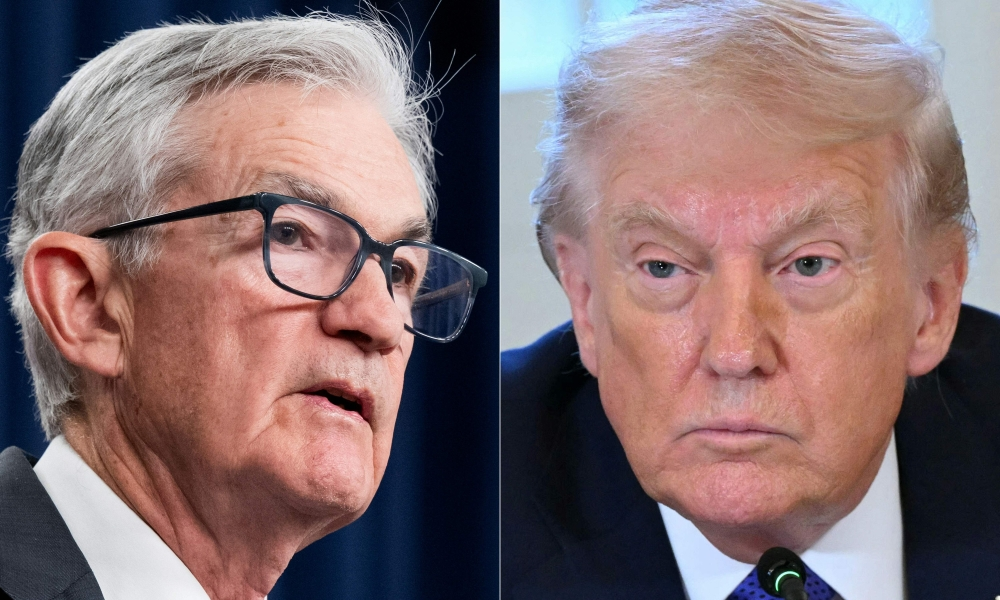
Since the Saudi market's inclusion in global emerging market indices (such as MSCI and FTSE Russell), its movements have come under the scrutiny of global investment funds. The market is typically influenced by a range of economic factors, including global oil prices, US Federal Reserve interest rate decisions, and the financial performance of leading companies in the banking and petrochemical sectors.
Analysts point out that daily fluctuations are a natural part of the market cycle, and periods of decline are often an opportunity for investors to reassess their financial positions and seize investment opportunities in companies with strong financial solvency and sustainable dividend payouts.