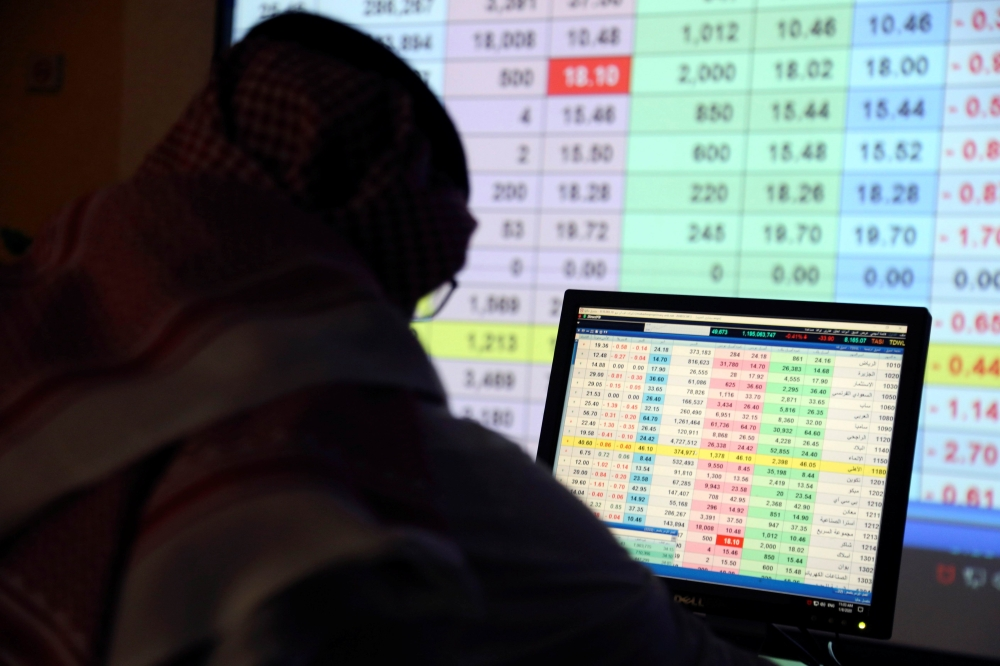
The Saudi Stock Exchange's main index (TASI) opened slightly higher on Monday, continuing its positive trajectory amid investor anticipation. The general index rose 0.2% in the first few minutes of trading, adding points to reach 11,236 points. This performance was supported by early liquidity of SAR 305 million, resulting from the trading of approximately 30 million shares.
Company and sector performance
The session opened with mixed performance among stocks, with 147 companies seeing their shares rise while 108 companies experienced declines out of a total of 268 companies listed on the main market. Among the top gainers were Americana, Bahri, Herfy Food, Al Yamamah Steel, and Thimar. Conversely, shares of Al Jazeera, Abu Moati, Al Waha, Qoo Telecom, and Jadwa REIT Al Haramain saw notable declines at the start of trading.
On the parallel market (Nomu), the index also opened higher by 0.3%, reaching a level of 23,959 points, with a trading value of 361.6 thousand riyals.
General context and importance of the Saudi market
The performance of the Saudi stock market, Tadawul, is a vital indicator of the health of the Kingdom's economy, which is striving to diversify its sources of income away from oil within the framework of Vision 2030. Tadawul is the largest stock exchange in the Middle East and North Africa region in terms of market capitalization, which reached SAR 9.433 trillion at the start of trading, making it a focal point for both local and international investors.
The Saudi market has witnessed historic transformations in recent years, most notably its inclusion in global emerging market indices such as MSCI and FTSE Russell. This inclusion has opened the door to significant foreign investment inflows and enhanced market transparency and alignment with international standards, thereby increasing its depth and liquidity.
Local and international impacts
The performance of the Saudi Stock Exchange (TASI) is influenced by a range of local and international factors. Locally, quarterly corporate earnings, major Vision 2030 projects, and government policies play a key role in shaping investor sentiment. Internationally, oil price movements, interest rate decisions by global central banks such as the US Federal Reserve, and geopolitical tensions all impact market performance.
Therefore, the slight rise at the start of the week reflects cautious optimism among traders, who are weighing the promising opportunities of the Saudi economy against the challenges posed by the global economic climate. The market's long-term trajectory remains closely tied to the success of economic reforms and the Kingdom's ability to attract further quality investments.