A general decline at the start of Thursday's trading
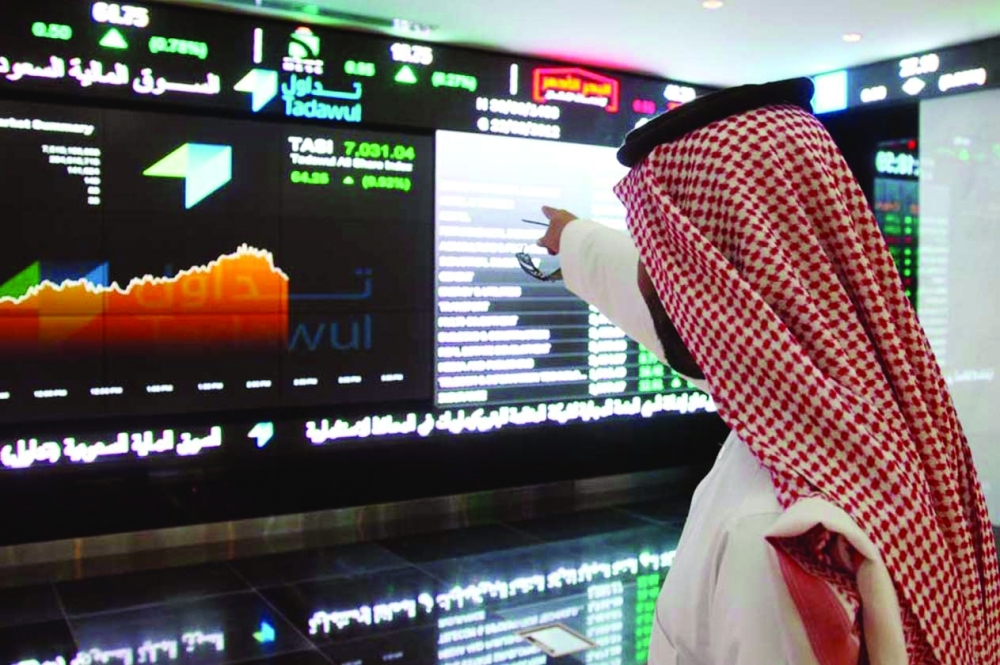
The Saudi Stock Exchange's main index (TASI) opened trading on Thursday, the last session of the week, with a notable decline of 0.6%, losing approximately 67 points to settle at 11,273 points. This drop occurred amidst trading volume in the first few minutes, reaching SAR 305.7 million, resulting from the trading of nearly 13 million shares. The total market capitalization of the index at the start of the session was approximately SAR 9.515 trillion, according to official data released by Tadawul.
The stock market reflected a prevailing selling trend, with 226 companies experiencing a decline in their share prices, while only 25 companies saw their share prices rise out of a total of 268 companies listed on the main market. The top gainers included companies such as Industries, Saudi Reinsurance, Bahri, Al-Dawaa, and Nafouh. Conversely, the most notable decliners included Saudi Group, Arab National Bank (ANB), Gulf General Investment, Amac, and Ma'aden.
General context and importance of the Saudi stock market
The Saudi Stock Exchange (Tadawul) is the largest and most liquid stock market in the Middle East and North Africa region, and it carries significant economic weight both regionally and internationally. Its importance stems from its role as a reflection of the Saudi economy, which is undergoing massive structural transformations under the Kingdom's Vision 2030, aimed at diversifying income sources and reducing dependence on oil. Economic reforms and the opening of the market to foreign investors have led to Tadawul's inclusion in major global emerging market indices such as MSCI and FTSE Russell, further enhancing its attractiveness to international capital.
Influencing factors and expected effects
The Tadawul All Share Index (TASI) is influenced by a range of local and global factors. Globally, oil prices are a key driver of investor sentiment, given the correlation between the performance of major listed companies, particularly in the petrochemical and energy sectors, and crude oil prices. Global monetary policy decisions, especially those of the US Federal Reserve regarding interest rates, also directly impact the Saudi market due to the riyal's peg to the dollar. Locally, quarterly corporate earnings, government spending plans, and macroeconomic data all influence investor decisions.
A single-session decline in the index does not necessarily indicate a long-term negative trend, but rather reflects caution or profit-taking among traders. Local and international investors closely monitor market performance as an indicator of the stability of the Saudi economy and its ability to attract investment amidst global geopolitical and economic challenges.
Performance of the parallel market “Growth”
Meanwhile, the Nomu Parallel Market Index, dedicated to small and medium-sized enterprises (SMEs), saw a slight decline of 0.1% at the start of trading. Trading volume on Nomu reached approximately SAR 711,500, with 31,100 shares traded, while its market capitalization stood at SAR 41 million. Six companies saw their share prices rise, while three declined, out of the 125 companies listed on this market.