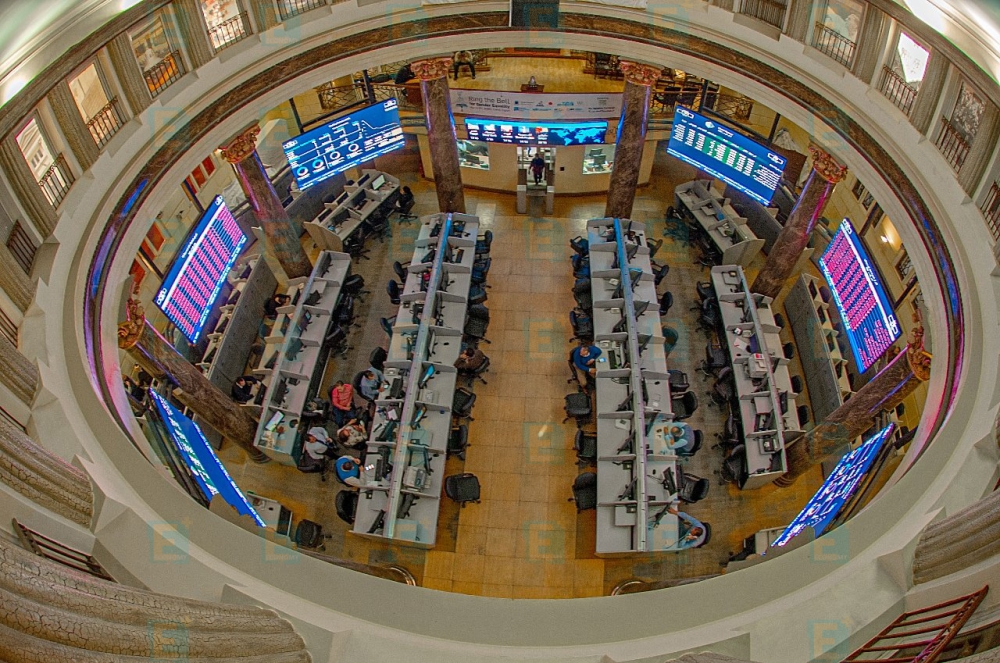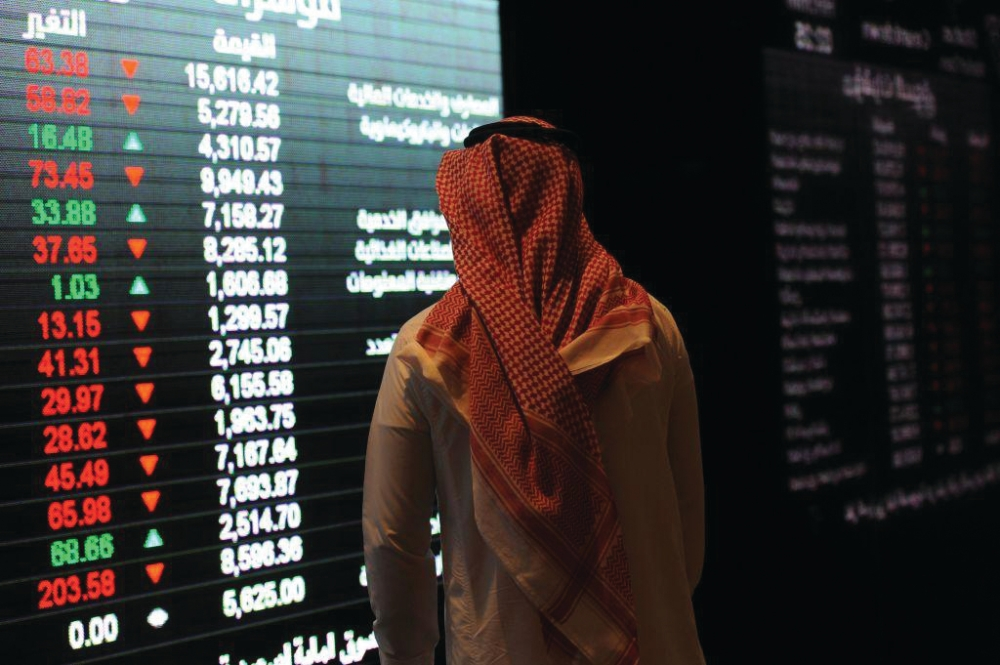
تراجع جماعي في مستهل الأسبوع
أنهى مؤشر سوق الأسهم السعودية الرئيسي “تاسي” تعاملات اليوم الأحد، أولى جلسات الأسبوع، على تراجع ملحوظ بلغت نسبته 1.9%، ليغلق عند مستوى 11167 نقطة. جاء هذا الانخفاض وسط ضغوط بيعية واسعة النطاق، حيث بلغت قيمة التداولات حوالي 4.4 مليار ريال سعودي، من خلال تداول ما يقارب 208 مليون سهم. وقد عكست هذه الأرقام حالة من الحذر تسود أوساط المستثمرين مع بداية تداولات الأسبوع.
السياق العام وأهمية السوق المالية السعودية
تعتبر السوق المالية السعودية “تداول” الأكبر في منطقة الشرق الأوسط وشمال أفريقيا من حيث القيمة السوقية، والتي تقارب 9.5 تريليون ريال. وتلعب دوراً محورياً في الاقتصاد الوطني كأداة رئيسية لتمويل الشركات ودعم خطط التنويع الاقتصادي ضمن “رؤية السعودية 2030”. على مدار السنوات الماضية، شهدت السوق تطورات هيكلية هامة، أبرزها الانضمام إلى مؤشرات الأسواق الناشئة العالمية مثل MSCI وFTSE Russell، مما عزز من جاذبيتها للمستثمرين الأجانب وزاد من عمقها وسيولتها. لذلك، يُنظر إلى أداء مؤشر “تاسي” باعتباره مرآة لثقة المستثمرين في الاقتصاد السعودي وتفاعله مع المتغيرات العالمية.
تفاصيل جلسة التداول وأداء الأسهم
شهدت جلسة اليوم هيمنة للون الأحمر، حيث انخفضت أسهم 227 شركة من أصل 268 شركة مدرجة في السوق الرئيسية، بينما لم ترتفع سوى أسهم 33 شركة فقط. هذا التراجع الجماعي يشير إلى أن معنويات المستثمرين تأثرت بعوامل شاملة أكثر من كونها أخباراً خاصة بشركات معينة.
ومن بين الأسهم الأكثر ارتفاعاً، برزت أسهم شركات: ميدغلف للتأمين، والأصيل، وأفالون فارما، والأهلي ريت 1، والدريس. في المقابل، تصدرت قائمة الأسهم الأكثر انخفاضاً أسهم شركات كبرى وقيادية مثل: أماك، ومعادن، وصدق، ونادك، والتعمير، مما زاد من الضغط على المؤشر العام.
التأثيرات المحتملة والعوامل المؤثرة
غالباً ما يتأثر أداء سوق الأسهم السعودية بمزيج من العوامل المحلية والإقليمية والدولية. على الصعيد العالمي، تظل أسعار النفط، باعتبارها محركاً رئيسياً للاقتصاد السعودي، عاملاً حاسماً. كما أن قرارات السياسة النقدية للبنوك المركزية الكبرى، خاصة الفيدرالي الأمريكي، تؤثر بشكل مباشر على شهية المخاطرة لدى المستثمرين في الأسواق الناشئة. محلياً، قد يعكس هذا التراجع عمليات جني أرباح بعد ارتفاعات سابقة، أو ترقباً لبيانات اقتصادية هامة أو نتائج أعمال الشركات الفصلية. ويراقب المستثمرون عن كثب أي تطورات جيوسياسية في المنطقة قد تؤثر على استقرار الأسواق.
أداء السوق الموازية “نمو”
لم تكن السوق الموازية “نمو”، المخصصة للشركات الصغيرة والمتوسطة، بمنأى عن هذا التراجع، حيث أغلق مؤشرها منخفضاً بنسبة 0.7% عند مستوى 23734 نقطة. وبلغت قيمة التداولات في “نمو” حوالي 21.5 مليون ريال، بكمية أسهم متداولة بلغت 2.4 مليون سهم. وشهدت السوق الموازية انخفاض أسهم 49 شركة مقابل ارتفاع 31 شركة من إجمالي 125 شركة مدرجة، مما يعكس موجة التراجع التي شملت السوق ككل.