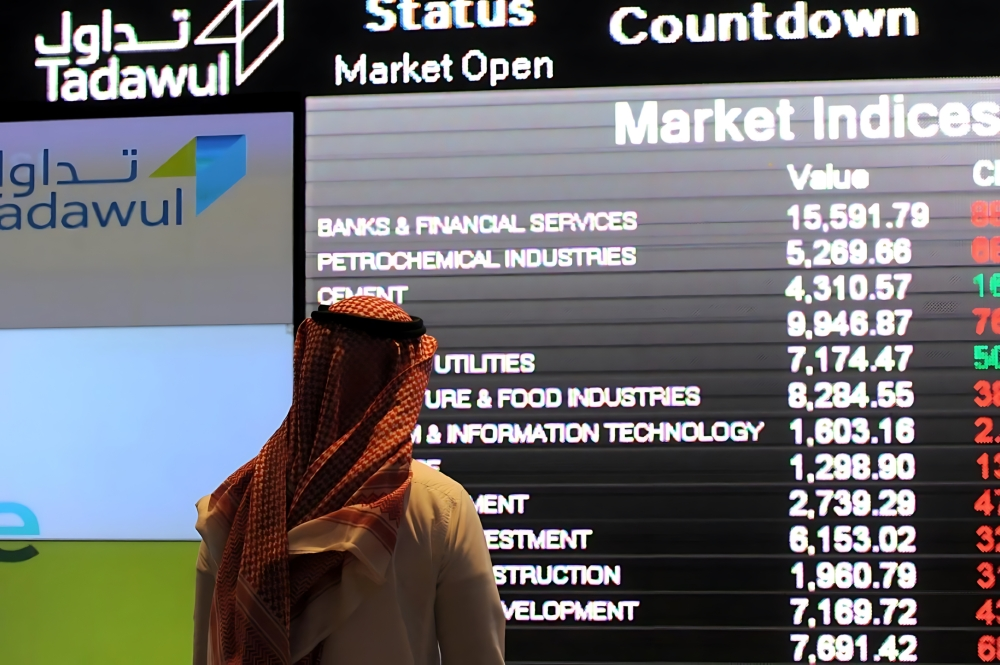
انخفاض طفيف لمؤشر “تاسي” في بداية التعاملات
استهل المؤشر العام لسوق الأسهم السعودية “تاسي” تعاملات يوم الأحد، أولى جلسات الأسبوع، على تراجع طفيف بنسبة 0.4%، فاقداً نحو 45 نقطة ليصل إلى مستوى 11,335 نقطة. ويأتي هذا الأداء في يوم يحمل أهمية رمزية، حيث تتواصل فيه جهود السوق المالية السعودية لتعزيز الانفتاح على الاستثمار الأجنبي. وبلغت قيمة التداولات في الساعة الأولى من الجلسة حوالي 408 ملايين ريال، نتجت عن تداول 9.16 مليون سهم، فيما استقرت القيمة السوقية الإجمالية عند 9.564 تريليون ريال.
خلفية تاريخية: رحلة الانفتاح على الاستثمار العالمي
لم يكن وصول السوق المالية السعودية إلى هذه المرحلة من الانفتاح وليد اللحظة، بل هو نتاج مسيرة طويلة من الإصلاحات الهيكلية التي بدأت تتسارع وتيرتها مع إطلاق رؤية المملكة 2030. ففي عام 2015، خطت المملكة خطوة تاريخية بالسماح للمستثمرين الأجانب المؤهلين (QFI) بالاستثمار المباشر في الأسهم المدرجة. ومنذ ذلك الحين، تم تخفيف القيود بشكل تدريجي، بهدف زيادة جاذبية السوق، وتعزيز كفاءتها، ومواءمتها مع أفضل الممارسات الدولية. وقد تُوجت هذه الجهود بإدراج السوق السعودية في مؤشرات الأسواق الناشئة العالمية المرموقة مثل “MSCI” و”FTSE Russell” و”S&P Dow Jones”، مما أدى إلى تدفق مليارات الدولارات من الصناديق الاستثمارية العالمية.
الأهمية والتأثير المتوقع للإصلاحات المستمرة
يُنظر إلى توسيع قاعدة المستثمرين الأجانب على أنه محرك أساسي لتعميق السوق وزيادة سيولته. على الصعيد المحلي، يساهم هذا الانفتاح في تحسين معايير حوكمة الشركات والشفافية، حيث تتطلع الشركات المدرجة إلى جذب رأس المال العالمي عبر تبني ممارسات أكثر نضجاً. أما إقليمياً، فإنه يعزز مكانة “تداول السعودية” كأكبر بورصة في منطقة الشرق الأوسط وشمال أفريقيا، ومركز مالي رائد. دولياً، تزيد هذه الخطوات من وزن السوق السعودية على خريطة الاستثمار العالمية، وتجعلها وجهة لا غنى عنها للمحافظ الاستثمارية التي تسعى للاستفادة من فرص النمو في اقتصاد المملكة المتنوع.
أداء القطاعات والأسهم في مستهل الجلسة
على الرغم من تراجع المؤشر العام، أظهرت البيانات الأولية تبايناً في أداء الشركات. حيث شهدت أسهم 140 شركة ارتفاعاً، بينما تراجعت أسهم 96 شركة من إجمالي 268 شركة مدرجة في السوق الرئيسية. وتصدرت قائمة الارتفاعات أسهم شركات مثل “أفالون فارما”، و”تشب”، و”الكابلات السعودية”، و”الأصيل”، و”عناية”. في المقابل، كانت أسهم “أماك”، و”معادن”، و”نادك”، و”التعمير”، و”المتقدمة” ضمن الأكثر انخفاضاً.
السوق الموازية “نمو” تسجل أداءً إيجابياً
في سياق متصل، افتتح مؤشر السوق الموازية “نمو”، المخصصة للشركات الصغيرة والمتوسطة، تداولاته على ارتفاع بنسبة 0.25%، ليصل إلى مستوى 23,970 نقطة. وبلغت قيمة التداولات في “نمو” حوالي 1.90 مليون ريال، مع تداول 115.7 ألف سهم. وشهدت 13 شركة مدرجة في السوق الموازية ارتفاعاً في أسهمها مقابل تراجع 9 شركات أخرى، مما يعكس زخماً إيجابياً في هذا القطاع الحيوي من السوق.