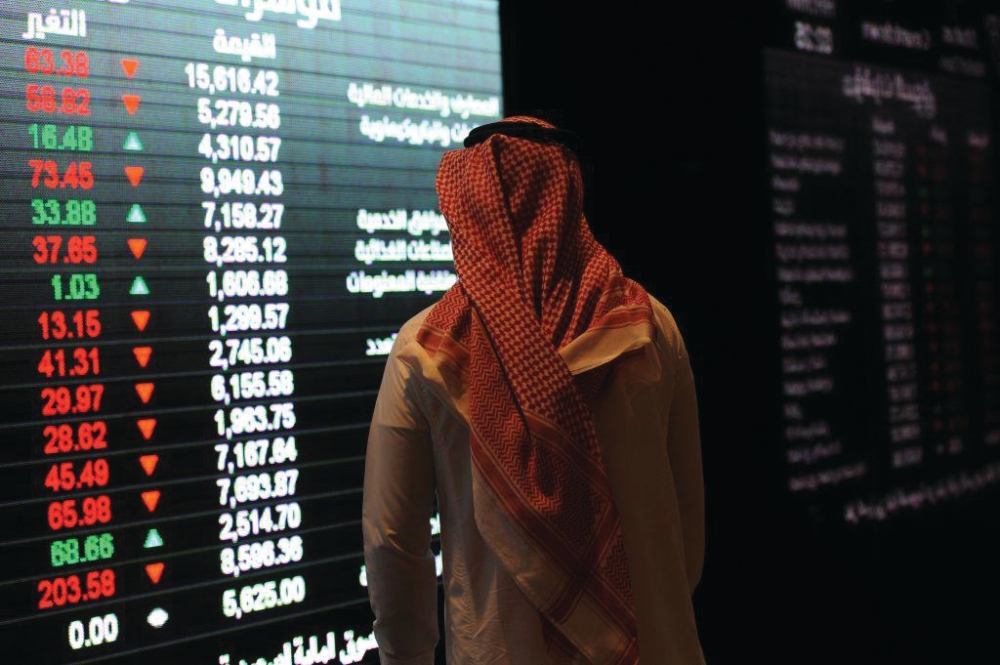
أنهى مؤشر سوق الأسهم السعودية الرئيسي، ‘تاسي’، تعاملات يوم الخميس، آخر جلسات الأسبوع، على انخفاض ملحوظ بلغت نسبته 0.7%، ليغلق عند مستوى 11382 نقطة. جاء هذا التراجع وسط سيولة نشطة بلغت قيمتها الإجمالية 6.9 مليار ريال، مما يعكس اهتمام المستثمرين وتفاعلهم مع مجريات السوق، حيث بلغت القيمة السوقية الإجمالية نحو 9.5 تريليون ريال.
وفقاً للبيانات الرسمية الصادرة عن ‘تداول السعودية’، شهدت الجلسة تداول ما يقارب 299.9 مليون سهم. وأظهرت الأرقام هيمنة اللون الأحمر على شاشة التداول، حيث انخفضت أسهم 232 شركة، بينما لم تتمكن سوى 31 شركة من تحقيق مكاسب من بين 268 شركة مدرجة في السوق الرئيسية. وفي قائمة الشركات الأكثر ارتفاعاً، برزت أسهم ‘أماك’، ‘إس إم سي’، و’الجزيرة’. على الجانب الآخر، تصدرت أسهم ‘البحر الأحمر’، ‘الفخارية’، و’سي جي إس’ قائمة الأكثر انخفاضاً.
السياق العام للسوق المالية السعودية
تُعد السوق المالية السعودية (تداول) الأكبر والأكثر سيولة في منطقة الشرق الأوسط وشمال أفريقيا، وتشكل حجر زاوية في برنامج التحول الاقتصادي للمملكة ضمن ‘رؤية 2030’. تهدف الرؤية إلى تنويع الاقتصاد بعيداً عن الاعتماد على النفط، وتلعب سوق الأسهم دوراً محورياً في جذب الاستثمارات الأجنبية وتمويل المشاريع الكبرى. يهيمن على المؤشر قطاعات رئيسية مثل البنوك والمواد الأساسية (البتروكيماويات) والطاقة، والتي غالباً ما تحدد اتجاهه العام. وقد شهدت السوق في السنوات الأخيرة إدراجات ضخمة، أبرزها طرح شركة ‘أرامكو السعودية’، مما عزز من عمقها ومكانتها على الساحة الدولية.
أهمية أداء السوق وتأثيراته
لا يقتصر تأثير أداء مؤشر ‘تاسي’ على المستثمرين المحليين فقط، بل يمتد تأثيره على عدة مستويات. فعلى الصعيد المحلي، يؤثر تراجع السوق على ثقة المستثمرين الأفراد والمؤسسات، وقد يؤدي إلى إعادة تقييم استراتيجياتهم الاستثمارية. إقليمياً، غالباً ما يُنظر إلى السوق السعودية كمؤشر رائد لأسواق دول مجلس التعاون الخليجي الأخرى، وأي تحركات كبيرة فيها قد تنعكس على الأسواق المجاورة. أما دولياً، وبعد إدراج السوق السعودية في مؤشرات عالمية هامة مثل MSCI للأسواق الناشئة و FTSE Russell، أصبح أداؤها محط أنظار مديري المحافظ الاستثمارية العالميين، حيث تؤثر تقلباتها على تدفقات رأس المال الأجنبي إلى المملكة والمنطقة ككل.
أداء السوق الموازية ‘نمو’
على عكس أداء السوق الرئيسية، تمكن مؤشر السوق الموازية ‘نمو’ من تحقيق إغلاق إيجابي، حيث ارتفع بنسبة 0.2% ليصل إلى 23910 نقاط. ورغم أن سيولة ‘نمو’ أقل بكثير من السوق الرئيسية، حيث بلغت 22.8 مليون ريال، إلا أن أداءها يعكس ديناميكيات مختلفة. تُعنى هذه السوق بالشركات الصغيرة والمتوسطة ذات الإمكانيات الواعدة، وقد شهدت تداول 2.5 مليون سهم. وأظهرت بياناتها انخفاض أسهم 46 شركة مقابل ارتفاع 33 شركة، مما يشير إلى تباين في الأداء بين مكوناتها.