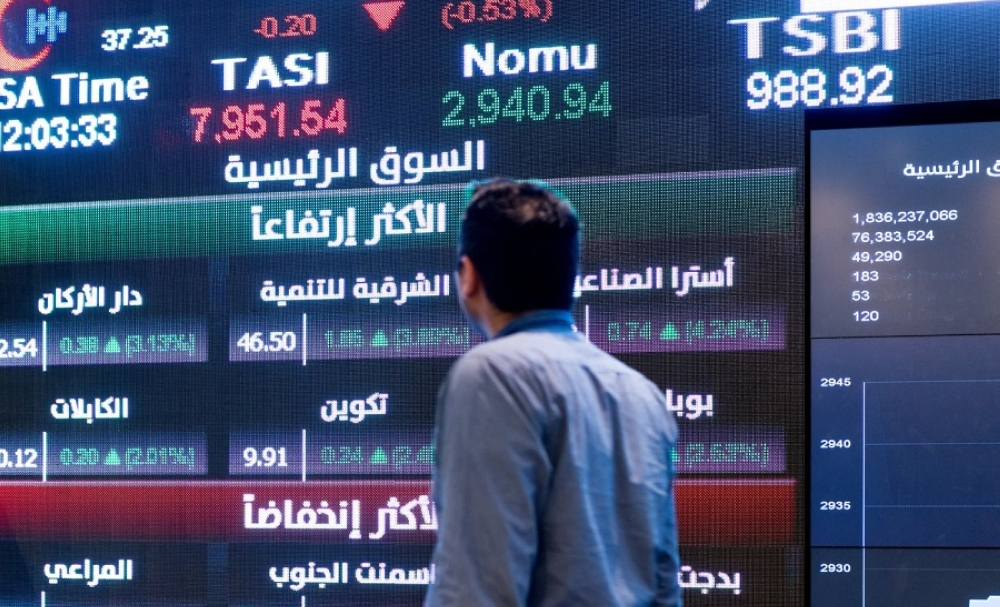
The Saudi Stock Exchange's main index (TASI) closed in the red on Tuesday, declining 0.3% to settle at 10,290 points. The session saw selling pressure that led to a decrease in market capitalization and a drop in the shares of a wide range of listed companies, with total trading value reaching approximately SAR 3.57 billion.
Details of trades and cash liquidity
According to data released by the Saudi Stock Exchange (Tadawul), trading was active, with 191.5 million shares changing hands. Despite the decline in the general index, the market capitalization of Saudi stocks remains strong at SAR 8.669 trillion, reflecting the market's depth and resilience despite the usual daily fluctuations.
Company and sector performance: varying results
Market data revealed a clear divergence in the performance of listed companies, with red dominating trading screens. Shares of 178 companies closed lower, directly impacting the overall index. Conversely, shares of 80 companies bucked the trend and recorded varying gains, out of a total of 266 companies listed on the main market.
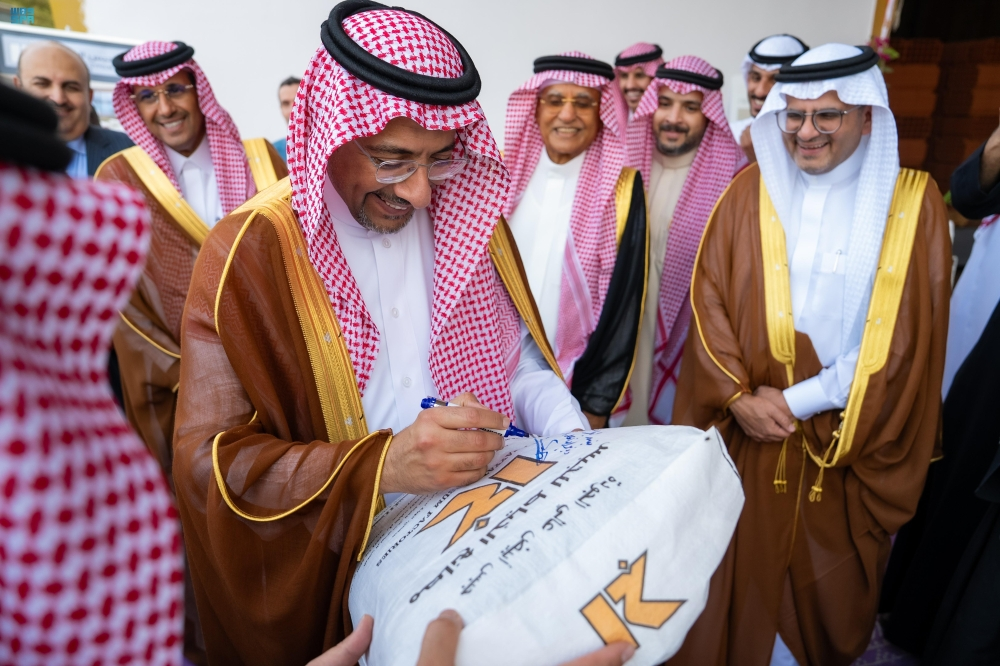
In terms of the most active and influential stocks, shares of Amac, Saudi Electric Industries, and the mining giant Ma'aden, along with Sinomi Retail and Al Babtain, topped the list of the biggest gainers. The rise in Ma'aden's share price, in particular, reflects the continued momentum in the mining sector, which the Kingdom is prioritizing within its Vision 2030.
On the other hand, shares of Burgerizer, Bahri, National Education, Al-Drees, and SASCO were among the top decliners, indicating profit-taking or price corrections in the transportation, energy, and consumer services sectors.
The parallel market (growth) is bucking the trend
In contrast to the main market, the Nomu Parallel Market Index closed today with a 0.54% increase, settling at 23,327 points. Liquidity in the Nomu Parallel Market reached approximately SAR 16.73 million, with 2.5 million shares traded. The market capitalization of Nomu companies stood at SAR 41.8 billion, with 37 companies seeing their share prices rise and 38 experiencing declines, out of a total of 127 listed companies.
Economic importance and market context
The Saudi stock market is the largest financial market in the Middle East and North Africa region and a true reflection of the growing Saudi economy. These movements in the index come at a time when global markets are experiencing volatility influenced by interest rates and oil prices. The 10,000-point level and above holds both technical and psychological significance for traders, as maintaining it is considered an indicator of medium-term market stability.
The Saudi financial market plays a pivotal role in the Financial Sector Development Program, one of the Kingdom’s Vision 2030 programs, which aims to diversify income sources and attract foreign investments, making monitoring the daily index vital for both local and international investors.