The Kingdom of Saudi Arabia witnessed radical transformations and qualitative leaps in the sports sector during 2025, culminating in the goals of Vision 2030, which established sports as a fundamental pillar for improving quality of life and diversifying the economy. This year was not merely a passing phase, but rather a year of reaping the rewards of ambitious strategic plans, supported by the generous patronage of the wise leadership, to solidify the Kingdom's position as a leading global sports destination.
July 2025: A new phase in the privatization of sports clubs
In a move reflecting the seriousness of transforming sports into a sustainable professional industry, July witnessed a historic announcement representing the second phase of the investment and privatization project for sports clubs. This announcement involved offering Al-Ansar, Al-Kholoud, and Al-Zulfi clubs for public privatization, a step aimed at strengthening partnerships with the private sector and raising the level of financial and administrative governance.
This move has not only financial implications but also aims to enhance competitiveness across all levels of Saudi leagues, contributing to the development of national talent and attracting international expertise. Simultaneously, the Kingdom continued to host international events, with Jeddah hosting the World Billiards Championship, which Carlo Biado won, demonstrating the readiness of Saudi Arabia's infrastructure to host various individual and team sports.
August 2025: The Kingdom to become the capital of esports and World Cup projects
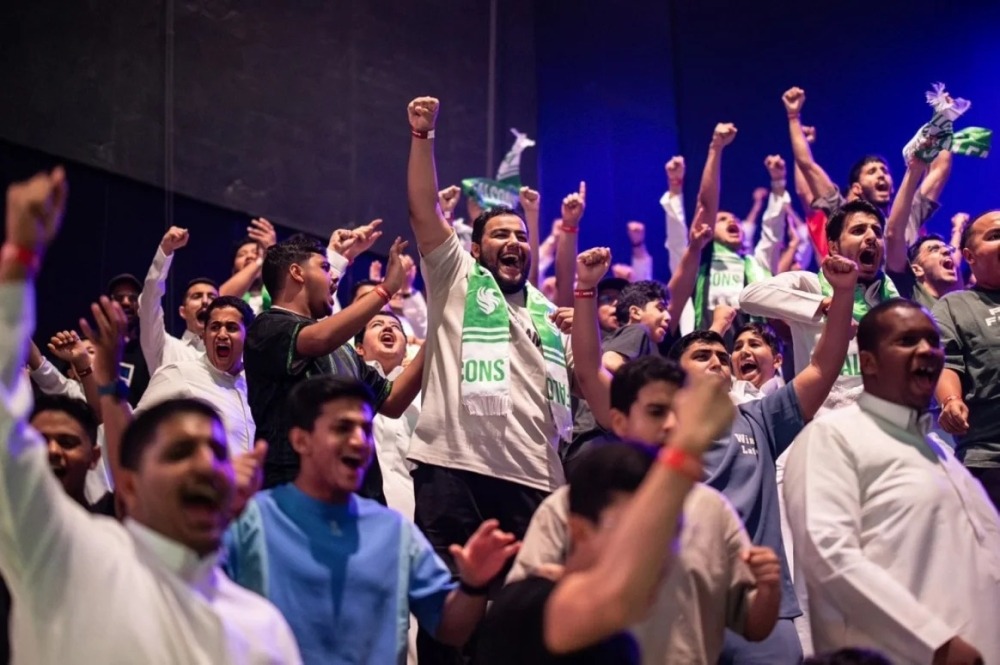
Riyadh cemented its position as a global capital of esports in August during the closing ceremony of the Esports World Cup, which was graced by the presence of His Royal Highness the Crown Prince. The Saudi team, Falcons, proved their global dominance by winning the title for the second consecutive time, an achievement that reflects the success of the National Strategy for Gaming and Esports launched by His Royal Highness the Crown Prince to make the Kingdom a global hub for this promising sector by 2030.
Regarding infrastructure development in preparation for future events, most notably the 2034 FIFA World Cup, the Ministry of Sport has begun taking concrete steps in the Prince Faisal bin Fahd Sports City development project. This ambitious project includes the construction of a new 47,000-seat stadium north of King Abdullah Park, which will be one of the main venues for the highly anticipated World Cup, reflecting long-term planning to ensure an exceptional hosting of the world's biggest football event.
September 2025: Upholding Heritage and Regional Leadership
The sporting renaissance has not overlooked heritage and cultural aspects, as evidenced by the conclusion of the Crown Prince Camel Festival in Taif, which reaffirmed the Kingdom's commitment to preserving its cultural heritage and presenting it to the world in a modern, competitive sporting format. Under generous patronage, the winners of the seventh edition were crowned, further bolstering the camel industry and traditional sports.
Regionally, Saudi talent continued to lead the Arab sports scene, with Prince Abdulaziz bin Turki Al-Faisal being re-elected as president of the Arab Football Federation for another term. This reflects Arab confidence in the Saudi vision for developing football in the region. These efforts culminated in the on-field success of the youth national team, which won the Gulf Cup under 20 years old, heralding a promising generation for Saudi football.
In conclusion, 2025 proved that Saudi sports are moving steadily towards globalization, supported by a strong governance system that culminated in the Ministry of Sports obtaining the ISO certificate in information security, and the continuation of the strategy to support clubs to ensure financial and technical sustainability.