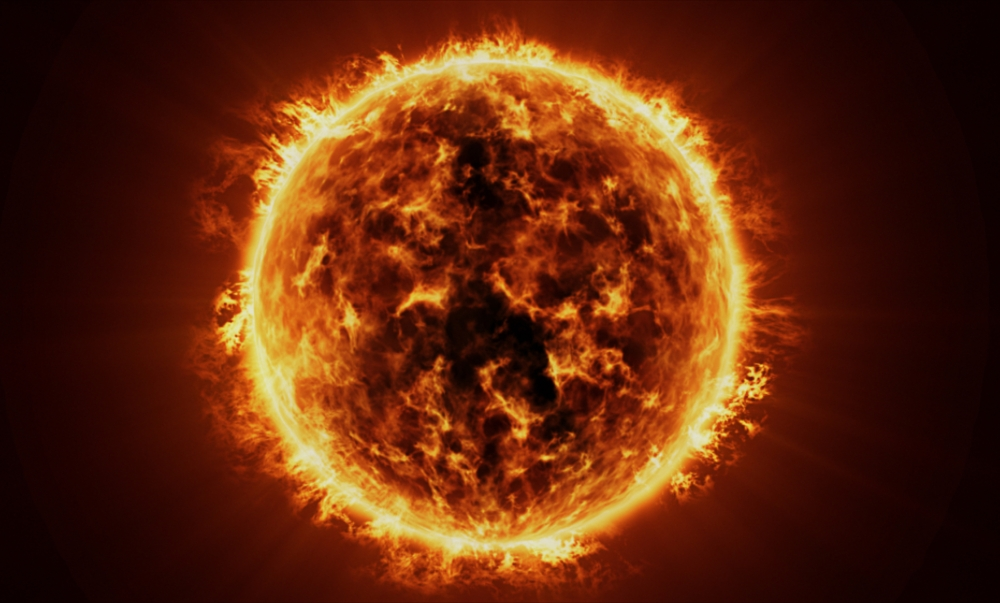
في خطوة استراتيجية تعكس طموحاتها الفضائية المتنامية، أعلنت وكالة الفضاء السعودية عن تكثيف جهودها لمراقبة النشاط الشمسي المتزايد، والذي من المتوقع أن يصل إلى ذروته خلال عام 2025. وتتوج هذه الجهود بالإعلان عن خطة لإطلاق أول قمر صناعي سعودي متخصص في رصد طقس الفضاء، وهو مشروع حيوي يهدف إلى حماية البنية التحتية الحيوية للمملكة وتعزيز مكانتها كقوة إقليمية في قطاع الفضاء.
فهم الدورة الشمسية وتأثيراتها المتوقعة
تدخل الشمس حاليًا ما يُعرف بـ “الدورة الشمسية 25″، وهي فترة تستغرق حوالي 11 عامًا يتغير فيها نشاطها المغناطيسي بشكل كبير. ومع الاقتراب من ذروة هذه الدورة في عام 2025، يزداد تواتر وشدة الظواهر الفضائية مثل الانفجارات الشمسية والانبعاثات الكتلية الإكليلية (CMEs). هذه الظواهر تطلق كميات هائلة من الإشعاع والجسيمات المشحونة نحو الفضاء، وعندما تصل إلى الأرض، يمكن أن تسبب اضطرابات كبيرة في الغلاف المغناطيسي لكوكبنا، وهو ما يُعرف بـ “العواصف الجيومغناطيسية”.
تاريخيًا، تسببت العواصف الشمسية الشديدة في أضرار بالغة؛ ففي عام 1859، أدت “عاصفة كارينغتون” إلى تعطل شبكات التلغراف العالمية. وفي عام 1989، تسببت عاصفة شمسية أقل قوة في انقطاع التيار الكهربائي عن مقاطعة كيبيك الكندية بأكملها لساعات. وفي العصر الرقمي الحالي، أصبحت المخاطر أكبر، حيث تهدد هذه الظواهر أنظمة الاتصالات الفضائية، وشبكات الملاحة العالمية (GPS)، والأقمار الصناعية، وشبكات الطاقة الكهربائية، والملاحة الجوية.
قمر صناعي سعودي لتعزيز الجاهزية الوطنية
إدراكًا لهذه المخاطر، يأتي مشروع القمر الصناعي السعودي كخطوة استباقية لتعزيز قدرات المملكة في مجال مراقبة طقس الفضاء. ومن المقرر إطلاق القمر في مايو 2025 بالتعاون مع شركاء دوليين بارزين مثل وكالة الفضاء الأمريكية (ناسا)، وبدعم من برنامج تطوير الصناعة الوطنية والخدمات اللوجستية (ندلب)، أحد برامج تحقيق رؤية المملكة 2030.
سيعمل القمر الصناعي على جمع بيانات دقيقة وفورية حول النشاط الشمسي، مما سيمكن الجهات المختصة والباحثين من:
- التنبؤ المبكر: إصدار تحذيرات مبكرة قبل وصول العواصف الشمسية، مما يمنح الوقت لاتخاذ إجراءات وقائية.
- حماية الأصول الحيوية: حماية الأقمار الصناعية من خلال وضعها في “الوضع الآمن”، وتأمين شبكات الكهرباء والاتصالات.
- دعم البحث العلمي: توفير بيانات قيمة للعلماء السعوديين والعالميين لدراسة العلاقة بين الشمس والأرض.
أهمية استراتيجية ضمن رؤية 2030
لا تقتصر أهمية هذا المشروع على الجانب التقني فحسب، بل تمثل أيضًا ركيزة أساسية في تحقيق أهداف رؤية 2030. فهو يسهم في توطين التقنيات المتقدمة، وبناء كوادر وطنية متخصصة في علوم وهندسة الفضاء، وتعزيز الاقتصاد القائم على المعرفة. كما أن التعاون مع وكالة ناسا يفتح آفاقًا جديدة لنقل الخبرات والمعرفة، ويرسخ مكانة المملكة كشريك موثوق في المجتمع الفضائي الدولي.
إن الاستثمار في مراقبة طقس الفضاء لم يعد ترفًا علميًا، بل ضرورة استراتيجية لضمان استدامة وسلامة الأنظمة التي يعتمد عليها العالم الحديث. ومن خلال هذا المشروع الرائد، تؤكد المملكة العربية السعودية التزامها ليس فقط بحماية مصالحها الوطنية، بل بالمساهمة بفعالية في الجهود العالمية لمواجهة التحديات المشتركة في الفضاء.