In a strategic move aimed at solidifying Saudi Arabia's position as a key player in the global space sector, the Communications, Space and Technology Commission (CSTC) has released a draft of comprehensive regulations through its "Istilaa" platform. This initiative aims to regulate the exploration and exploitation of space resources, and to control the processes of extracting these resources from celestial bodies and returning them to Earth, in line with modern global trends in this promising sector.
Regulating the space sector and venture capital
These moves are part of the broader Saudi Vision 2030, which places great importance on the space sector as a cornerstone of the future non-oil economy. The Kingdom is working to transform the space sector from a purely scientific research field into a productive economic sector that contributes to the GDP and creates high-quality jobs. These regulations are a cornerstone for attracting bold investments, providing a clear legislative environment for local and international investors looking to enter the space mining and orbital logistics market.
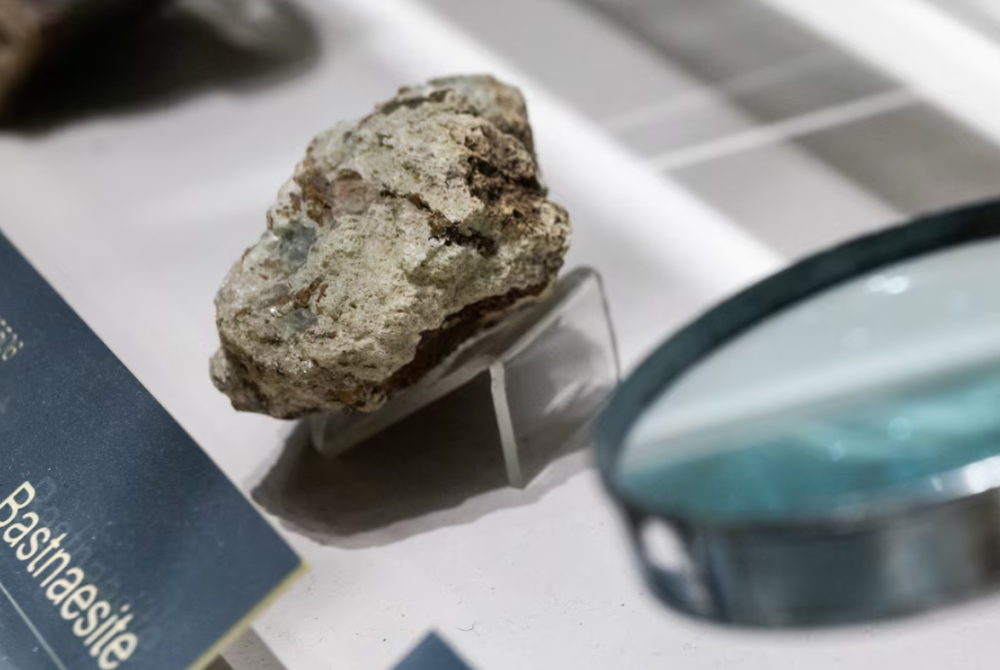
The Authority opened the door for investors to explore and extract resources from celestial bodies, and then return them to Saudi Arabia under strict regulations. The new regulations granted authorized parties the right to exploit or process these resources, whether directly on the surface of the celestial body, in orbit, or after reaching Earth. Permitted activities were not limited to extraction alone, but extended to include the storage, transportation, distribution, and even trading of the resources and their byproducts, including buying, selling, and exporting them.
Fee structure and operating licenses
To ensure the seriousness of the investment and the quality of operations, the Authority established a financial structure for licenses, with the fee for a space resource activities license being 100,000 riyals, the same amount set for space monitoring and tracking licenses. The regulations also detailed other fees
- 30,000 riyals: operating fees for one spacecraft.
- 100,000 riyals: Operating fees for a multi-satellite system.
- 100,000 riyals: The cost of licensing the launch of unmanned orbital vehicles per operation.
- 100,000 riyals: Fees for launching and operating manned capsules and orbital vehicles.
- 30,000 riyals: Fees for building spaceports.
- 100,000 riyals: Spaceport operating fees.
- Two thousand riyals: fees for tests and experiments, permits for support flights and sonic rockets.
Environmental and security obligations
The draft also addressed security and environmental aspects, emphasizing strict procedures for returning resources to Earth. These procedures include providing isolation and decontamination capabilities to prevent any potential environmental or biological contamination, a concept known as "planetary protection." Applicants are also required to submit a comprehensive record of potential risks, a clear plan for minimizing space debris, and a thorough assessment of the proposed environmental and economic impact of the activity.
These requirements reflect the Kingdom's commitment to international treaties related to outer space and its dedication to sustainability in this emerging sector. This regulation is expected to enhance the Kingdom's global competitiveness, particularly given the increasing international race to exploit lunar and near-Earth asteroid resources, thus positioning Saudi Arabia among the leading nations with national legislation governing these complex activities.
The Authority concluded its requirements by stating the need to provide data that supports scientific and research awareness and contributes to enriching national knowledge, with the obligation to provide the Authority with samples of extracted resources upon request for the purposes of verification and supervisory follow-up.