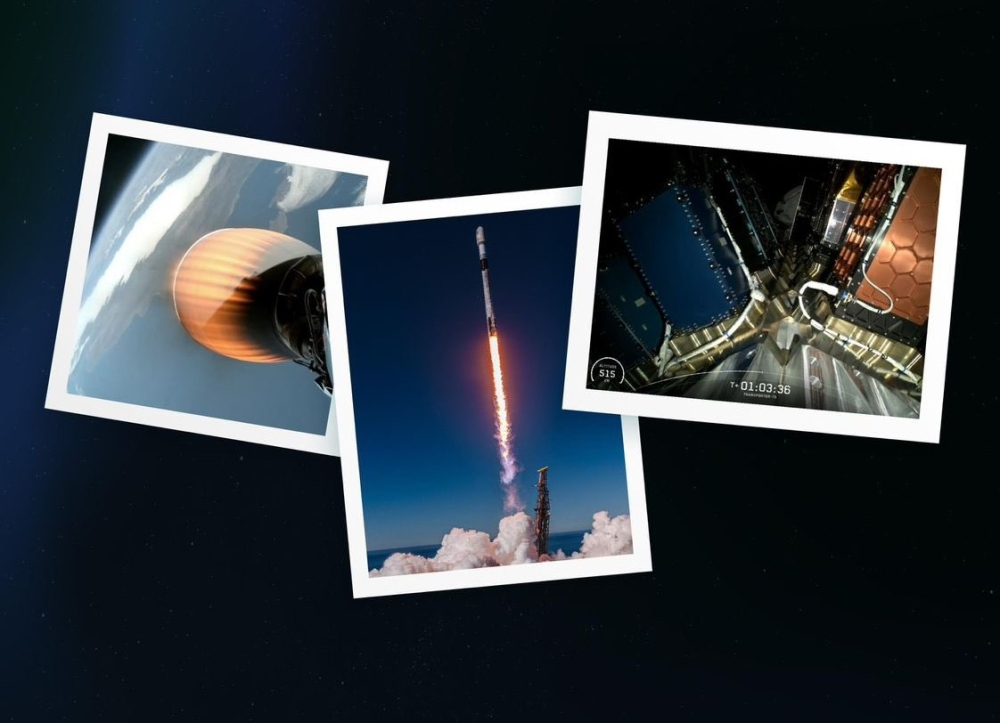
The Saudi Space Agency announced a new national achievement: the successful launch of the Rawdah Scope and Ufuq satellites, which were launched into space as part of an international mission. This success is the culmination of student efforts from Umm Al-Qura University and Prince Sultan University, within the Sari competition, which aims to build and design small satellites. This embodies the Kingdom's ambitious vision of empowering young national talent to achieve leadership in space science and innovation.
Program background and national context
This launch marks a significant step in the Kingdom's ambitious space program, which has gained considerable momentum under Vision 2030, aimed at diversifying the economy and building a knowledge-based society. The Saudi Space Agency was established to spearhead these efforts, working to regulate and develop the sector and stimulate scientific research and innovation. The "Sari" competition is one of the strategic initiatives designed to bridge the gap between academic learning and practical application. It saw wide participation from 42 Saudi universities, with over 480 student teams competing to present the best engineering and scientific designs for microsatellites.
Details of the two satellites and their objectives
Both satellites have specific scientific and technological objectives that serve national and global priorities:
- The Rawdah Scope satellite, developed by a team from Prince Sultan University, specializes in low-power Internet of Things (IoT) technologies. This satellite aims to support environmental initiatives, such as monitoring vegetation and water resources, as well as providing sustainable communication solutions in remote areas lacking traditional infrastructure.
- The Horizon satellite, developed by a team from Umm Al-Qura University, focuses on space weather monitoring. It will study the impact of solar radiation and magnetic storms on communication, timing, and GPS systems, which is vital for ensuring the stability and security of technical services on Earth.
Importance and expected impact
The success of this project represents more than just a technical achievement; it carries important strategic dimensions on various levels:
- Locally, this launch boosts confidence in young Saudi talent and encourages more students to pursue careers in science, technology, engineering, and mathematics (STEM). It also contributes to building a generation of experts capable of leading the future of the Saudi space sector.
- Regionally: This success reinforces the Kingdom of Saudi Arabia’s position as a leading space power in the region, and opens up prospects for regional cooperation in future space projects.
- Internationally, the launch demonstrates the Kingdom's commitment to contributing to the international scientific community and developing space technologies that serve all of humanity. The agency confirmed that the two winning teams underwent intensive training programs and technical and environmental testing under the supervision of experts from the agency and its international partners, reflecting the high level of professionalism and adherence to international standards.
The Saudi Space Agency continues its tireless efforts to empower national talents and develop innovative programs and initiatives, with the aim of building a sustainable knowledge economy and consolidating the Kingdom’s position among the leading countries in space exploration and the development of its modern technologies.