Al-Ahsa Bisht Festival: A Window into the Kingdom's History
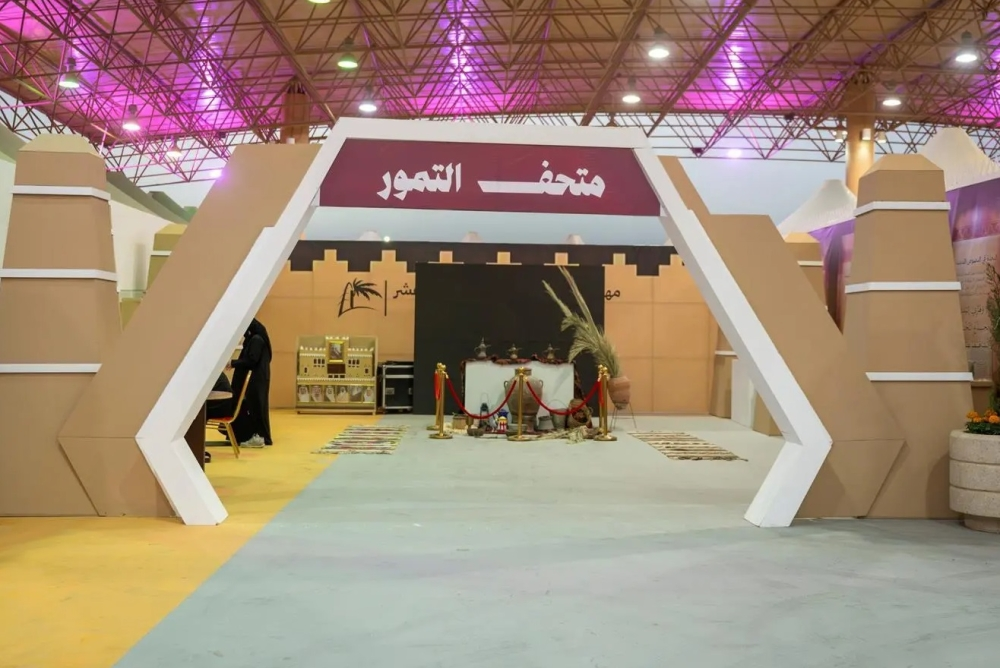
In the heart of the historic Ibrahim Palace in Al-Ahsa, the story of a nation and the history of its traditional attire are embodied in the third edition of the “Al-Ahsa Bisht Festival,” organized by the Heritage Commission. The festival was more than just a celebration of the craft; it was a journey through time that captivated visitors. A highlight was a special section showcasing the evolution of the royal “bisht” (cloak) across the reigns of the seven kings of Saudi Arabia, from the founder, King Abdulaziz bin Abdulrahman Al Saud – may God have mercy on him – to the prosperous era of the Custodian of the Two Holy Mosques, King Salman bin Abdulaziz.
Historical context: Al-Ahsa, the cradle of bisht making
The bisht has been a symbol of authenticity and prestige in Arab and Gulf culture throughout the ages, but the "Al-Ahsa bisht" has gained exceptional renown for its quality and exquisite craftsmanship. For centuries, Al-Ahsa, with its verdant oasis and rich history, has been the foremost center for this intricate handcraft. Entire families in neighborhoods like Al-Rifa'a Al-Shamaliyah and Al-Na'athil inherited the secrets of the trade, where the sounds of the handloom never ceased as it wove threads of camel hair and goat wool into a work of art worthy of royalty and dignitaries.
The journey of the royal cloak through seven eras
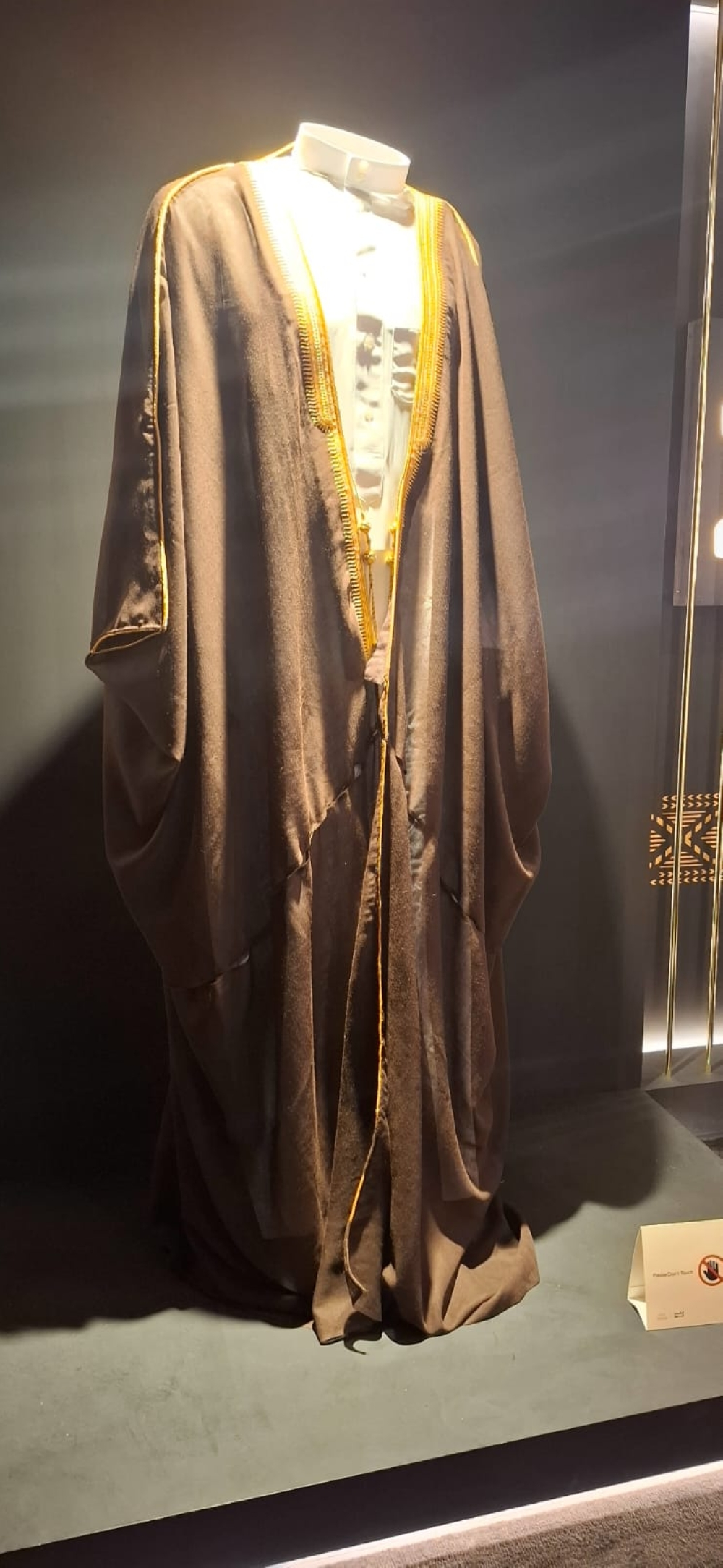
Mohammed Al-Amir, the supervisor of the cloak display corner, explained that the exhibition presents a visual narrative of the evolution of the design of the royal cloak, which in turn reflects the economic and cultural transformations of the Kingdom.
The Founding Era: King Abdulaziz's Bisht
The founding king's bisht was characterized by its simplicity, reflecting the unification and state-building phase. Its construction was characterized by its thinness, with a short "hafra" (embroidered upper part) not exceeding 8 inches, and a long "khadid" (side zari band) reaching up to 14 inches, relying entirely on local materials.
From King Saud to King Faisal: The Beginning of the Transformation
During the reign of King Saud bin Abdulaziz, the design underwent slight development with a minor increase in the length of the groove. However, a significant leap forward occurred during the reign of King Faisal bin Abdulaziz, who opened the door to importing luxurious zari threads from Germany and France. This allowed craftsmen to lengthen the groove and create a more harmonious aesthetic, while simultaneously reducing the length of the groove to 8 inches.
From King Khalid to King Fahd: An era of prosperity and luxurious inscriptions
The evolution of the royal bisht continued during the reign of King Khalid bin Abdulaziz, with the patterns and embellishments becoming more diverse and intricate, and the "square" pattern emerging as a favorite of his. During the reign of King Fahd bin Abdulaziz, with increased economic prosperity, the length of the opening jumped to 22 inches, and the width of the "daqqa" (embroidery width) increased to 4.5 centimeters, lending the royal bisht an unprecedented level of luxury.
From King Abdullah to the era of Vision
During the reign of King Abdullah bin Abdulaziz, very wide patterns flourished as a result of increased trade, while the "square" pattern remained popular. In the current era of the Custodian of the Two Holy Mosques, King Salman bin Abdulaziz, and His Royal Highness Crown Prince Mohammed bin Salman, the bisht design has reached its pinnacle of balance and perfection. The "precision" has settled on a width of 5 centimeters and a length of 22 to 23 inches, making the bisht today the culmination of a century of evolution and tradition.
The importance of the event and its cultural impact
The Al-Ahsa Bisht Festival is not merely a local event; it holds national and international significance. It contributes to achieving the goals of Vision 2030 by preserving intangible cultural heritage, supporting local artisans, and promoting cultural tourism. It also comes at a time of growing global interest in Saudi attire, particularly after the historic moment when football star Lionel Messi wore a bisht at the 2022 World Cup final, which brought this deeply rooted cultural symbol into the spotlight. These festivals revive the craft and introduce new generations to its history, emphasizing that the bisht is not just a garment, but an identity woven with threads of gold that tells the story of a nation.