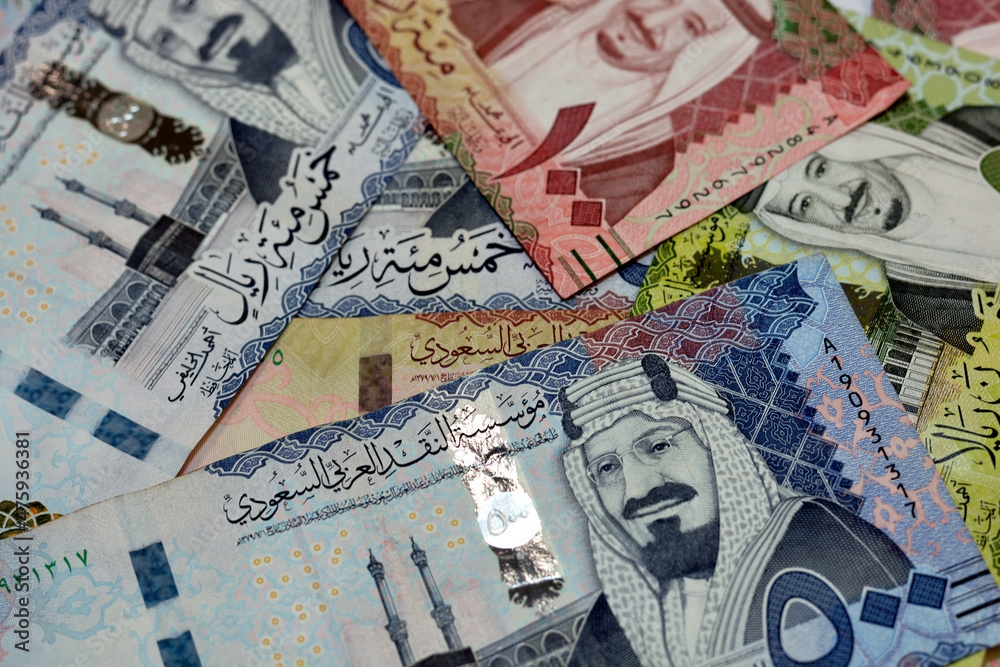
The Saudi riyal's exchange rate against the Egyptian pound saw significant fluctuations at the close of trading on Monday, January 26, 2026, across both public and private Egyptian banks. This daily volatility reflects the dynamic nature of the foreign exchange market, driven by various supply and demand factors, and is closely followed by millions of citizens and investors due to the strong economic ties between Egypt and Saudi Arabia.
Historical background and importance of the riyal/pound exchange rate
The relationship between the Saudi riyal and the Egyptian pound is of strategic importance to both countries. Historically, Saudi Arabia has been one of Egypt's largest trading partners and the largest destination for Egyptian workers abroad. Consequently, remittances from Egyptians working in the Kingdom constitute a major source of hard currency for the Egyptian economy, making the riyal's exchange rate a vital indicator that directly impacts the income of millions of Egyptian families.
The Egyptian pound has undergone a series of economic reforms in recent years, most notably the liberalization of the exchange rate, which aims to make the currency's value more flexible and responsive to market mechanisms. This new monetary policy pursued by the Central Bank of Egypt makes daily fluctuations in exchange rates, including the Saudi riyal's value, expected and normal.
The economic and social impact of price fluctuations
The impact of the riyal's exchange rate extends beyond remittances from workers abroad, affecting other vital sectors. For example, it directly impacts the costs of Hajj and Umrah pilgrimages for Egyptian citizens, as all expenses related to the trip are paid in Saudi riyals. It also affects bilateral trade, since any change in the exchange rate can impact the cost of Saudi imports to Egypt and the competitiveness of Egyptian exports to the Saudi market.
Saudi Riyal exchange rates in Egyptian banks today, Monday
Below are the exchange rates of the Saudi Riyal against the Egyptian Pound in a number of major banks at the end of trading today:
- The Central Bank of Egypt: The buying price was recorded at 12.53 Egyptian pounds, and the selling price at 12.57 Egyptian pounds.
- National Bank of Egypt: The buying price was recorded at 12.49 Egyptian pounds, and the selling price at 12.57 Egyptian pounds.
- Bank of Egypt: The buying price was 12.49 Egyptian pounds, and the selling price was 12.57 Egyptian pounds.
- Bank of Alexandria: The buying price was recorded at 12.52 pounds, and the selling price at 12.57 pounds.
- Commercial International Bank (CIB): The buying price was recorded at 12.52 Egyptian pounds, and the selling price at 12.57 Egyptian pounds.
- Suez Canal Bank: The buying price was 12.49 Egyptian pounds, and the selling price was 12.58 Egyptian pounds.
- Abu Dhabi Islamic Bank: The buying price was recorded at 12.54 pounds, and the selling price at 12.57 pounds.
- Faisal Islamic Bank: The purchase price was 12.50 pounds, and the selling price was 12.56 pounds.
- Cairo Bank: The buying price was recorded at 12.55 Egyptian pounds, and the selling price at 12.63 Egyptian pounds.
- National Bank of Kuwait: The buying price was 12.42 pounds, and the selling price was 12.70 pounds.
This price variation between different banks competing in the banking market gives customers the opportunity to choose the best price to meet their needs, whether for transfers, travel, or trade.