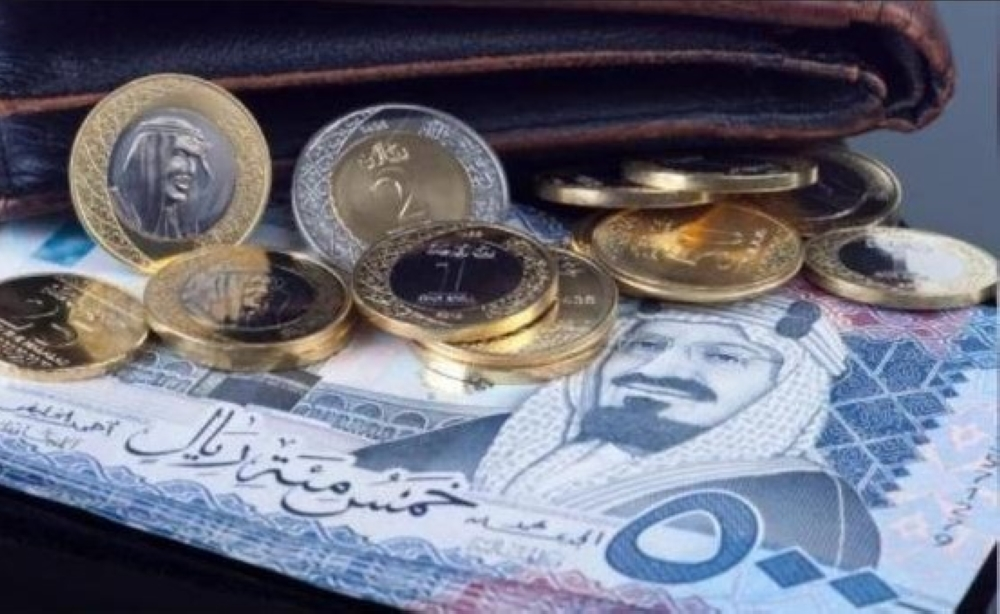
The Saudi riyal exchange rate against the Egyptian pound remained relatively stable with slight fluctuations at the close of trading on Thursday in Egyptian public and private banks. This stability comes within the framework of daily trading activity following the Central Bank of Egypt's decision to float the currency in March 2014, a decision that ended the dual exchange rate system and unified the official and parallel market rates.
Historical background: The decision to liberalize the exchange rate and its impact
In a historic move on March 6, 2024, the Central Bank of Egypt decided to adopt a flexible exchange rate system, allowing market supply and demand forces to determine the value of the Egyptian pound against foreign currencies. This decision was part of a broader package of economic reforms aimed at addressing the shortage of foreign currency, attracting investment, and securing a large-scale financing package from the International Monetary Fund. Prior to this decision, the official exchange rate was artificially fixed, leading to a thriving parallel (black) market with a significant gap between the official and official rates, which negatively impacted the economy. With the liberalization of the exchange rate, the pound experienced a sharp depreciation before gradually stabilizing, and monitoring daily exchange rates at banks became a vital indicator of the economy's health.
The importance of the Saudi Riyal exchange rate to the Egyptian economy
The Saudi riyal exchange rate is of particular importance to Egypt due to the close economic and social ties between the two countries. Saudi Arabia is the primary destination for Egyptian expatriate workers, with millions of Egyptians working there and sending billions of dollars in remittances annually. These remittances represent a major source of hard currency for Egypt, and the riyal's exchange rate directly impacts the actual value of these funds when they reach their families in Egypt. Furthermore, the millions of Egyptians who perform Hajj and Umrah pilgrimages annually are also affected by the riyal's value, as all travel, accommodation, and service costs in the Kingdom are paid in Saudi riyals.
Saudi Riyal exchange rates in major Egyptian banks today, Thursday
The following are the details of the Saudi Riyal exchange rates announced at the end of today's trading at a number of major banks operating in Egypt:
- The Central Bank of Egypt: The buying price was recorded at 12.68 Egyptian pounds, and the selling price at 12.72 Egyptian pounds.
- National Bank of Egypt: The buying price was recorded at 12.65 Egyptian pounds, and the selling price at 12.72 Egyptian pounds.
- Bank of Egypt: The buying price was 12.65 Egyptian pounds, and the selling price was 12.72 Egyptian pounds.
- Bank of Alexandria: The buying price was recorded at 12.68 Egyptian pounds, and the selling price at 12.72 Egyptian pounds.
- Commercial International Bank (CIB): The buying price was recorded at 12.67 Egyptian pounds, and the selling price at 12.72 Egyptian pounds.
- Abu Dhabi Islamic Bank: The highest selling price was recorded at 12.74 pounds, while the buying price was 12.71 pounds.
These prices reflect the great convergence between the different banks, which is an indicator of market stability after a period of sharp fluctuations that immediately followed the flotation decision.