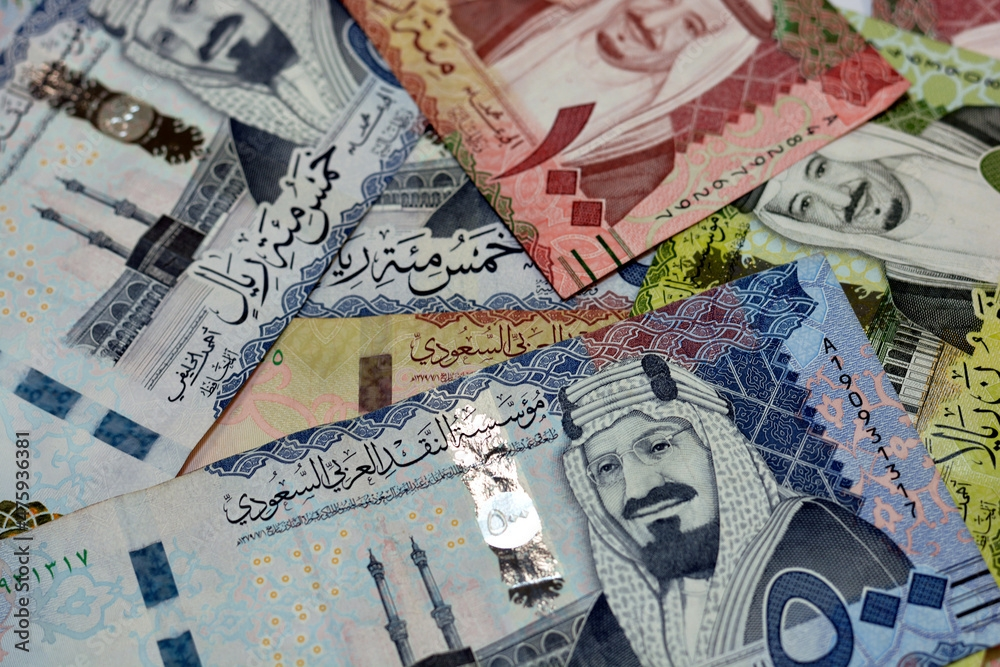
The Saudi riyal exchange rate against the Egyptian pound remained relatively stable with slight fluctuations at the start of trading on Sunday morning in Egyptian public and private banks. This economic indicator is closely monitored by millions of Egyptians due to its direct impact on remittances from workers abroad, the costs of Hajj and Umrah pilgrimages, and trade and investment between the two largest economies in the region.
Saudi Riyal exchange rates in major Egyptian banks today
The exchange rates of the Saudi Riyal against the Egyptian Pound in a number of major banks were as follows:
- Central Bank of Egypt: 12.50 Egyptian pounds for buying, and 12.54 Egyptian pounds for selling.
- National Bank of Egypt: 12.46 Egyptian pounds for buying, and 12.54 Egyptian pounds for selling.
- Bank of Egypt: 12.46 Egyptian pounds for buying, and 12.54 Egyptian pounds for selling.
- Bank of Alexandria: 12.49 EGP for buying, and 12.54 EGP for selling.
- Commercial International Bank (CIB): 12.49 EGP for buying, and 12.54 EGP for selling.
- Suez Canal Bank: 12.46 Egyptian pounds for buying, and 12.55 Egyptian pounds for selling.
- Faisal Islamic Bank: 12.46 Egyptian pounds for buying, and 12.53 Egyptian pounds for selling.
- Abu Dhabi Islamic Bank: 12.51 Egyptian pounds for buying, and 12.54 Egyptian pounds for selling.
The strategic importance of the riyal and pound exchange rate
The impact of the Saudi riyal's exchange rate extends far beyond mere numbers on trading screens; it directly affects the lives of millions. Saudi Arabia is the largest destination for Egyptian expatriate workers, whose numbers are estimated in the millions. Remittances from these workers, often in Saudi riyals, are a crucial source of foreign currency for the Egyptian economy, contributing to the balance of payments and the stability of the Egyptian pound.
Therefore, any change in the exchange rate directly affects the purchasing power of Egyptian families who depend on these remittances as a primary source of income.
The impact of the riyal exchange rate on Hajj and Umrah seasons and trade
The Saudi riyal exchange rate is a crucial factor in determining the cost of performing Hajj and Umrah pilgrimages for Egyptian citizens, as all expenses, including accommodation, transportation, and services, are paid in Saudi currency. As the religious seasons approach, demand for the riyal increases significantly, which can put pressure on the exchange rate.
On the trade front, Egypt and Saudi Arabia enjoy strong trade relations, with the Kingdom being a major trading partner for Egypt. Exchange rate stability impacts import and export costs between the two countries, which in turn affects the prices of final goods for consumers and the competitiveness of Egyptian products in the Saudi market.
Factors affecting exchange rate stability
The exchange rate of the Saudi riyal against the Egyptian pound is subject to a range of economic factors, most notably the policies of the Central Bank of Egypt regarding foreign exchange market management, interest rate levels, and the volume of foreign currency inflows from diverse sources such as tourism, foreign direct investment, and Suez Canal revenues. Global and regional economic conditions also play a role in determining exchange rate trends in general, making monitoring these indicators essential for understanding market dynamics.