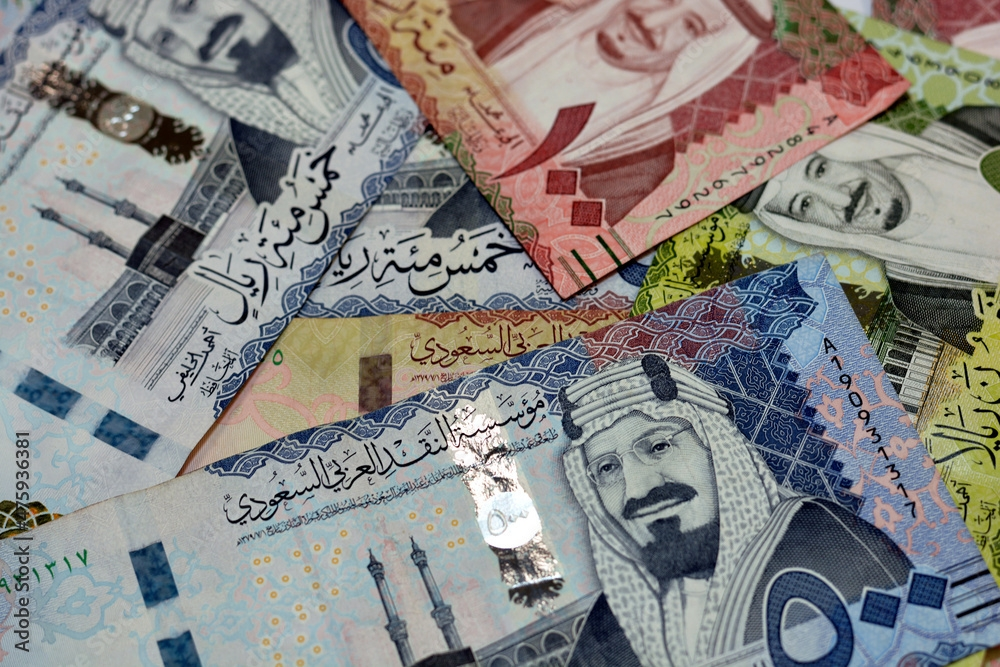
The Saudi riyal saw a notable rise against the Egyptian pound in recent trading, continuing an upward trend that began at the start of the year, with an increase of approximately 2%. The exchange rate in Egyptian banks stabilized at the end of the week's trading at levels close to 12.76 Egyptian pounds for buying and 12.79 Egyptian pounds for selling, according to data from the Central Bank of Egypt, reflecting the ongoing pressure on the Egyptian currency.
Background of the crisis and its economic context
To understand this rise, one must consider the broader picture of the Egyptian economy and its exchange rate policy. The Saudi riyal is directly pegged to the US dollar, as Saudi Arabia maintains a fixed exchange rate of 3.75 riyals per dollar. Consequently, any change in the Egyptian pound's exchange rate against the dollar is automatically reflected, and by approximately the same percentage, in its exchange rate against the Saudi riyal.
The Egyptian economy has long faced challenges related to a shortage of foreign currency, prompting the Central Bank of Egypt to adopt a more flexible exchange rate system. The Egyptian pound has undergone several devaluations over the past few years in an effort to stabilize the foreign exchange market and attract foreign investment. This decline against the dollar, which recently reached record highs exceeding 48 pounds in some transactions, is the primary driver behind the rise of the Saudi riyal and other Gulf currencies pegged to the dollar.
The importance of the event and its expected impact
This change in the exchange rate has broad repercussions on various levels, both locally in Egypt and regionally.
Local impact:
Domestically, the rising value of the Saudi riyal directly impacts Egyptian citizens. First, the cost of travel to Saudi Arabia for Umrah and Hajj pilgrimages increases, placing an additional burden on Egyptian families, especially as this rise coincides with peak demand seasons like Ramadan. Second, for the millions of Egyptians working in the Kingdom, this appreciation means their remittances to their families in Egypt are now worth more in Egyptian pounds, potentially contributing to increased foreign currency inflows, a crucial resource for the country. On the other hand, the generally weaker Egyptian pound leads to higher import costs, fueling inflationary pressures and driving up the prices of essential goods in the Egyptian market.
Regional and international impact:
Economic relations between Egypt and Saudi Arabia are strategic and strong, with Saudi Arabia being one of the largest investors in Egypt. Exchange rate stability influences future investment decisions and trade between the two countries. International investors and financial institutions such as the International Monetary Fund closely monitor the performance of the Egyptian pound, as its stability is a key indicator of the health of the Egyptian economy and its ability to proceed with its economic reform program.
Saudi Riyal exchange rates at major Egyptian banks
Egyptian banks reflected this rise, with the Saudi riyal trading at approximately 12.72 Egyptian pounds for buying and 12.79 Egyptian pounds for selling at the National Bank of Egypt and Banque Misr. Other banks, such as Bank of Alexandria and Commercial International Bank (CIB), offered similar rates, confirming the overall upward trend of the Saudi currency in the Egyptian banking market.