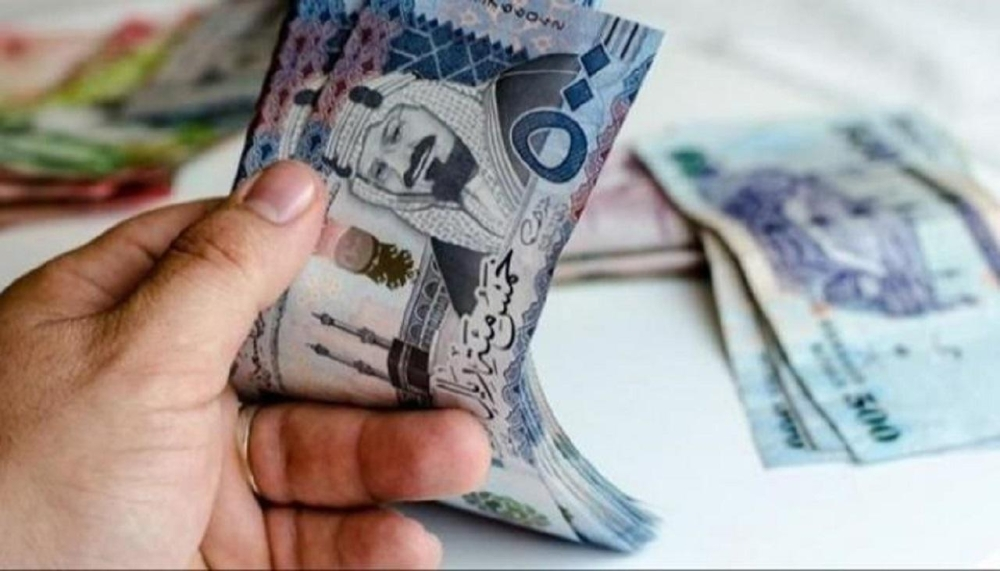
The Saudi riyal saw a slight decline against the Egyptian pound during trading on Thursday in most banks operating in Egypt, continuing the relative stability that prevails in the foreign exchange market after the recent economic decisions taken by the Central Bank.
This exchange rate movement follows a period of significant volatility in the Egyptian economy, culminating in the decision to float the Egyptian pound in March 2024. This detailed report reviews today's exchange rates and analyzes the economic context and the importance of this indicator for Egyptian citizens and the Egyptian economy.
Saudi Riyal exchange rates in major Egyptian banks today, Thursday
- The Central Bank of Egypt: The buying price was recorded at 12.76 Egyptian pounds, and the selling price at 12.80 Egyptian pounds.
- National Bank of Egypt: The buying price was recorded at 12.68 Egyptian pounds, and the selling price at 12.76 Egyptian pounds.
- Bank of Egypt: The buying price was recorded at 12.69 Egyptian pounds, and the selling price at 12.76 Egyptian pounds.
- Bank of Alexandria: The buying price was recorded at 12.72 Egyptian pounds, and the selling price at 12.76 Egyptian pounds.
- Commercial International Bank (CIB): The buying price was recorded at 12.72 Egyptian pounds, and the selling price at 12.77 Egyptian pounds.
- Faisal Islamic Bank: The purchase price was recorded at 12.69 pounds, and the selling price at 12.77 pounds.
- Suez Canal Bank: The buying price was recorded at 12.71 Egyptian pounds, and the selling price at 12.80 Egyptian pounds.
Economic context: Post-exchange rate liberalization
The current movements in the riyal's exchange rate cannot be understood in isolation from the historic step taken by the Central Bank of Egypt to fully liberalize the exchange rate. This decision, aimed at eliminating the parallel (black) market for currency, led to the Egyptian pound being revalued against a basket of foreign currencies according to genuine supply and demand mechanisms. As a result, the Saudi riyal, like other currencies, experienced a significant jump in its official bank rate to reflect its market value, contributing to increased foreign currency inflows through official channels.
The importance of the riyal exchange rate to the Egyptian economy and citizens
The Saudi riyal exchange rate holds particular significance in Egypt due to the close economic and social ties between the two countries. This significance is manifested in several key aspects:
- Remittances from Egyptians abroad: Saudi Arabia is the largest destination for Egyptian workers abroad. Consequently, their remittances in Saudi Riyals constitute one of Egypt's most important sources of foreign currency. The exchange rate directly affects the value of these remittances in Egyptian Pounds received by their families, impacting their purchasing power and standard of living.
- Hajj and Umrah seasons: Millions of Egyptians who travel to perform Hajj and Umrah rely on the Saudi Riyal. Its exchange rate directly affects the overall cost of religious trips, including airfare, accommodation, and daily expenses, making it a vital indicator for this large segment of society.
- Trade and Investment: Saudi Arabia is a major trade and investment partner for Egypt. Exchange rate stability affects the cost of imports from and exports to Saudi Arabia, and also plays a role in the decisions of Saudi investors looking to invest in the Egyptian market.
The slight daily changes in the price of the riyal against the pound reflect the dynamics of supply and demand in the market, and are affected by multiple factors such as foreign investment flows, tourism revenues, and the monetary policies of the central bank, making it essential to follow for those interested in economic affairs in Egypt.