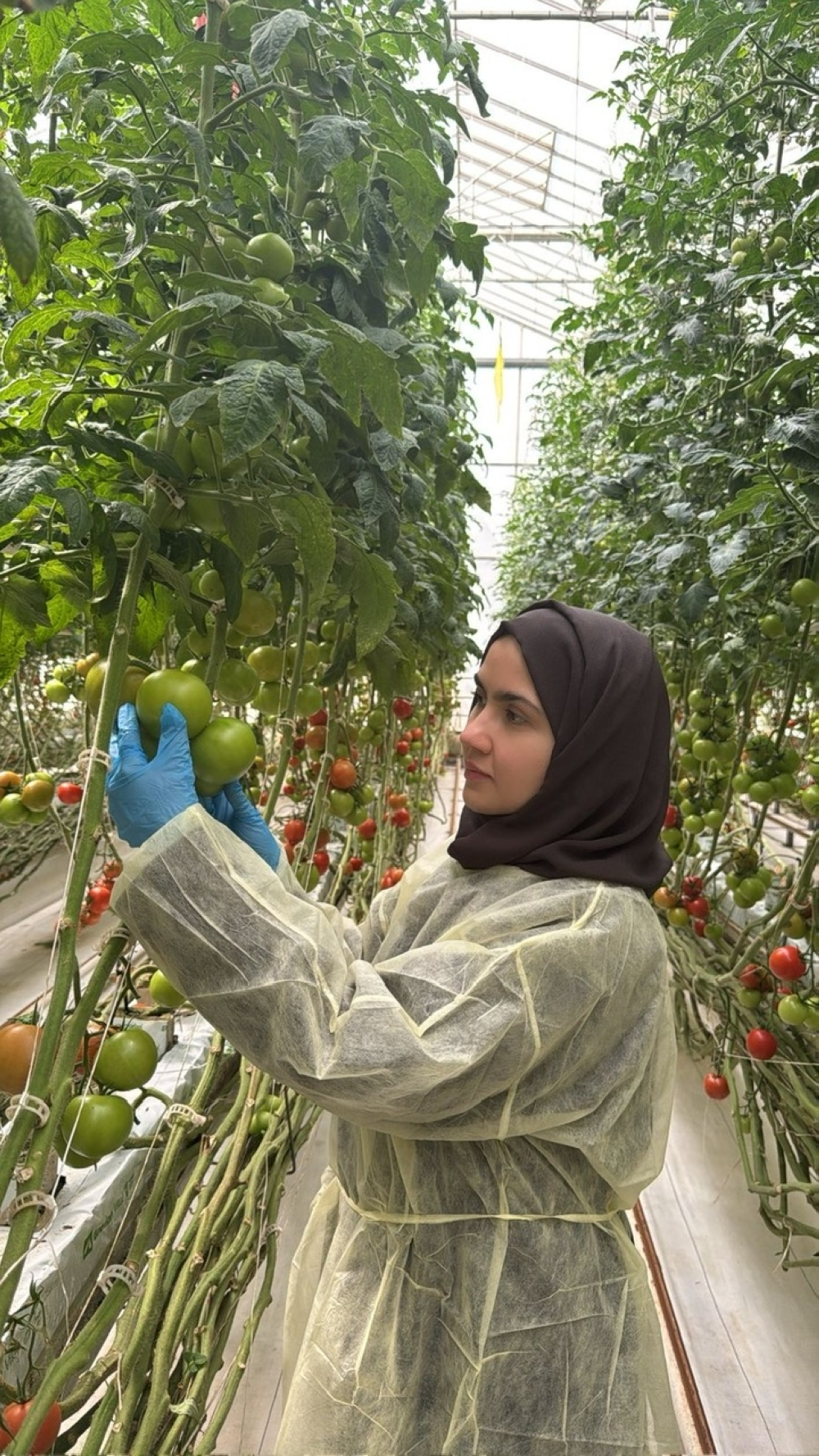
اكتشاف علمي رائد يعزز الأمن الغذائي
في خطوة علمية فارقة قد تعيد رسم مستقبل الزراعة في المملكة العربية السعودية والعالم، كشفت الدكتورة فاطمة عبدالحكيم، الباحثة المتميزة في علم النبات بجامعة الملك عبدالله للعلوم والتقنية «كاوست»، عن نتائج بحثية متقدمة في مجال مناعة النبات. ويشكل هذا الإنجاز، الذي توّج بفوزها بجائزة «لوريال – اليونسكو» المرموقة للمرأة في العلوم، ركيزة استراتيجية لتعزيز الأمن الغذائي الوطني في مواجهة التحديات البيئية المتزايدة.
السياق العالمي: الزراعة في مواجهة التغير المناخي
يأتي هذا البحث في وقت حرج يواجه فيه العالم تحديات جسيمة تهدد استدامة النظم الغذائية. فالتغير المناخي، بما يسببه من ارتفاع درجات الحرارة، موجات الجفاف الطويلة، وتغير أنماط هطول الأمطار، يضع ضغوطاً هائلة على المحاصيل الزراعية التقليدية. تاريخياً، اعتمد المزارعون على أساليب مثل التهجين الانتقائي والمبيدات الكيميائية لحماية محاصيلهم، إلا أن هذه الطرق باتت غير كافية لمواكبة سرعة التغيرات البيئية، فضلاً عن آثارها الجانبية على البيئة والصحة العامة. لذلك، يتجه العالم اليوم نحو حلول مبتكرة تعتمد على التقنية الحيوية والهندسة الوراثية لتطوير محاصيل أكثر صلابة وقدرة على التكيف.
آلية عمل “المفتاح الجزيئي” المزدوجة
أوضحت الدكتورة فاطمة أن اكتشافها العلمي الجديد يتمحور حول تحديد بروتين دقيق يعمل بمثابة «مفتاح جزيئي» داخل النبات، حيث يتولى مهام مزدوجة وحيوية لضمان بقاء المحاصيل في الظروف القاسية. وتتمثل الآلية الأولى في دوره كخط دفاع أول ضد مسببات الأمراض. فعند استشعار الخطر البكتيري، يقوم هذا البروتين بإغلاق الثغور النباتية (المسامات الدقيقة على أوراق النبات)، مما يمنع تسلل البكتيريا ويشكل حاجزاً فيزيائياً فعالاً يحمي المحاصيل من الأوبئة الزراعية المدمرة.
أما المهمة الثانية، فتتجلى في مواجهة الإجهاد الحراري. يعمل هذا البروتين بالتوازي مع بروتينات أخرى لتكوين ما يُعرف بـ «حبيبات الإجهاد»، وهي تكتلات جزيئية تعمل على تقليل العمليات الحيوية غير الضرورية مؤقتاً عند ارتفاع درجات الحرارة. هذه الاستجابة الذكية تمنح النبات قدرة فائقة على الحفاظ على طاقته وموارده، مما يمكنه من التكيف والبقاء على قيد الحياة في ظل الإجهاد الحراري الشديد.
الأهمية والتأثير المتوقع: من المختبر إلى الحقل
إن أهمية هذا الاكتشاف لا تقتصر على الجانب النظري، بل تمتد لتفتح آفاقاً تطبيقية واسعة. فعلى المستوى المحلي، سيسهم توظيف التقنيات الحيوية الحديثة، بما فيها التعديل الجيني المستند إلى هذه النتائج، بشكل مباشر في إنتاج أصناف زراعية جديدة قادرة على تحمل الجفاف والحرارة العالية السائدة في المنطقة، وهو ما يتماشى تماماً مع مستهدفات رؤية 2030 لتحقيق الاكتفاء الذاتي الزراعي وتقليل الاعتماد على الاستيراد. كما أن تطوير محاصيل ذات مناعة ذاتية سيقلل من الحاجة للمبيدات الكيميائية والمياه، مما يدعم استدامة الموارد الطبيعية.
إقليمياً ودولياً، يمكن لهذه التقنية أن تلعب دوراً محورياً في دعم الأمن الغذائي في المناطق القاحلة وشبه القاحلة حول العالم، والتي تعاني من ظروف مناخية مشابهة. إن تمكين المزارعين في هذه المناطق من زراعة محاصيل قوية وموثوقة يعني مكافحة الجوع والفقر وتعزيز الاستقرار الاقتصادي والاجتماعي.
مسيرة ملهمة للأجيال القادمة
واسترجعت الدكتورة فاطمة بداياتها العلمية التي انطلقت من تمثيل المملكة في معرض «آيسيف» الدولي في سن الخامسة عشرة، معتبرة تلك المحطة نقطة التحول التي رسخت لديها الإيمان بأن الشغف المبكر هو وقود الإنجازات الوطنية الكبرى. ووجهت رسالة للفتيات السعوديات في مجالات العلوم والتكنولوجيا، داعية إياهن إلى الاستثمار في التعلم المستمر والثقة بالنفس، مؤكدة أن دعم البحث العلمي لم يعد رفاهية بل ضرورة وطنية ملحة لتحقيق مستقبل آمن ومستدام.