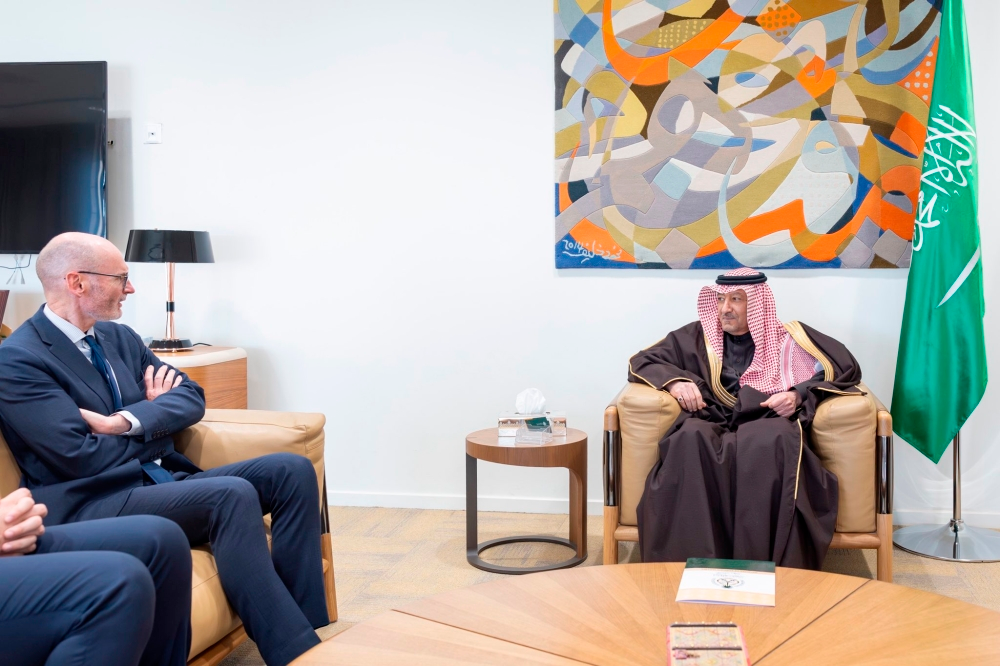
As part of the Kingdom of Saudi Arabia's ongoing diplomatic efforts to promote international peace and security, Deputy Foreign Minister Waleed bin Abdulkarim Al-Khuraiji received the Ambassador of the United Kingdom and the Chargé d'Affaires of the United States Embassy at the Ministry's headquarters in Riyadh. Discussions focused primarily on regional developments and current geopolitical challenges that necessitate joint coordination and concerted action to ensure stability.
Extended strategic partnerships to enhance stability
Saudi Arabia’s diplomatic engagements with global powers are rooted in a long history of robust bilateral relations. Strategic alliances between Riyadh and both Washington and London have been cornerstones of maintaining security and political stability in the Middle East for decades. Historically, these partnerships have played a crucial role in addressing regional crises, securing vital waterways, and combating terrorism, reflecting the depth of mutual trust and the importance of continued high-level political consultations to coordinate positions on issues of common interest.
Intensive diplomatic efforts to address regional developments
During the first reception, Engineer Waleed bin Abdulkarim Al-Khuraiji met with the United Kingdom's Ambassador to the Kingdom, Stephen Charles Hickey. The meeting included a comprehensive review of the close bilateral relations between the two friendly countries, as well as a discussion of regional and international developments. Both sides addressed the potential repercussions of these developments on Middle Eastern countries, emphasizing the importance of concerted efforts to support stability and security and to work towards finding peaceful solutions to current crises.
In a related development, the Deputy Foreign Minister received the Chargé d'Affaires of the United States Embassy in the Kingdom, Alison Delworth, on the same day. The meeting included an exchange of views on ways to enhance bilateral cooperation between Riyadh and Washington in various fields. They also discussed the rapidly evolving regional developments and their direct repercussions on international peace and security, emphasizing the need for continued joint coordination to counter any threats that could undermine the stability of the region.
The impact of joint coordination on regional and international security
These diplomatic moves are of paramount importance given the delicate circumstances the world, and the Middle East in particular, is currently facing. At the local and regional levels, these meetings contribute to strengthening Saudi Arabia's leading role as a stabilizing force in the region and underscore the Kingdom's active role in leading efforts to de-escalate tensions and prevent the escalation of conflicts. At the international level, ongoing coordination with major powers such as the United States and the United Kingdom ensures the protection of shared global interests, including the stability of global energy markets and the security of international shipping lanes and trade. Unifying the visions of Riyadh and its Western allies represents a necessary proactive step to contain crises before they escalate, which will positively impact the development and prosperity of the peoples of the region and the world.