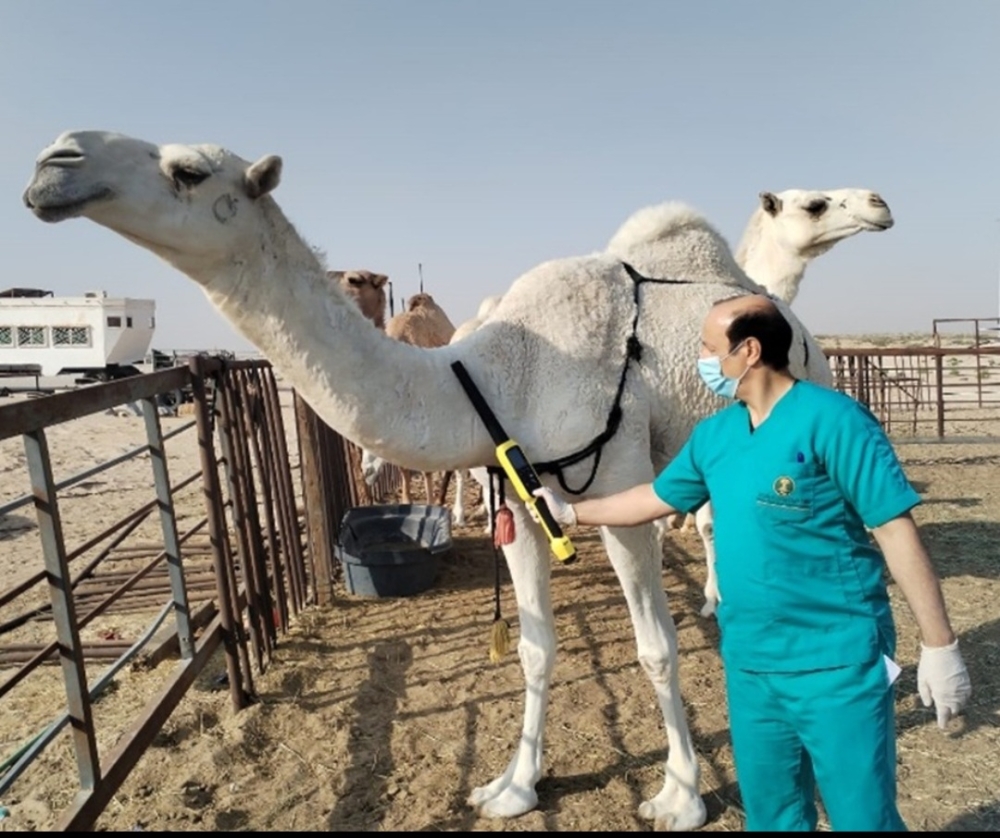
A strategic step towards environmental sustainability
The Saudi Ministry of Environment, Water and Agriculture has officially announced the reopening of the "return" program for camels and livestock owned by non-Saudi citizens to their home countries. This decision is a strategic step within the Kingdom's ongoing efforts to combat desertification and protect vegetation from overgrazing practices, which pose a significant threat to the ecological balance across the Kingdom's vast lands.
The ministry has made the application process available electronically through the “Nama” portal, inviting livestock owners and herders who were unable to leave during previous regulatory campaigns to settle their situations and transport their livestock according to specific controls and procedures that ensure the smoothness of the process and its compliance with international standards.
Historical and environmental context of the decision
Historically, grazing lands in the Arabian Peninsula were open and shared by tribes and livestock herders from neighboring countries, a tradition that had endured for centuries. However, with climate change and the increasing number of livestock exceeding the carrying capacity of natural grazing lands, overgrazing has worsened, leading to the degradation of vast areas of land and a decline in vegetation cover. This increases the risk of desertification and negatively impacts biodiversity.
This decision comes within a broader context that aligns with the objectives of “Saudi Vision 2030” and the “Saudi Green Initiative,” which aim to rehabilitate degraded lands and plant billions of trees to promote environmental sustainability and combat climate change.
Importance and expected effects
At the local level, regulating grazing and removing excess livestock is expected to allow natural pastures to recover and regrow, thus enhancing water resources and protecting the soil from erosion. Furthermore, the ministry's ongoing livestock registration program will help establish an accurate database, contributing to improved sector management and the control of animal diseases.
Regionally, the decision reflects a shift in the management of shared natural resources, as the region moves from unregulated traditional practices to clear and sustainable environmental policies. Internationally, this step reinforces the Kingdom's position as a leader in environmental protection and underscores its commitment to fulfilling its global climate obligations.
Regulatory controls and procedures
The Ministry stressed the importance of adhering to the regulations, which mandate the implementation of all quarantine procedures approved in the Gulf Cooperation Council (GCC) countries, in addition to strict compliance with animal welfare standards. It warned against approaching border crossings without a prior appointment and official approval obtained through the electronic platform, in order to ensure smooth procedures and avoid any congestion or delays. The inspection teams are continuing their intensive field patrols to prevent the trade of unregistered camels and to control illegal grazing operations, emphasizing that regulating this sector is crucial to halting the depletion of natural resources and achieving a more sustainable environmental future.