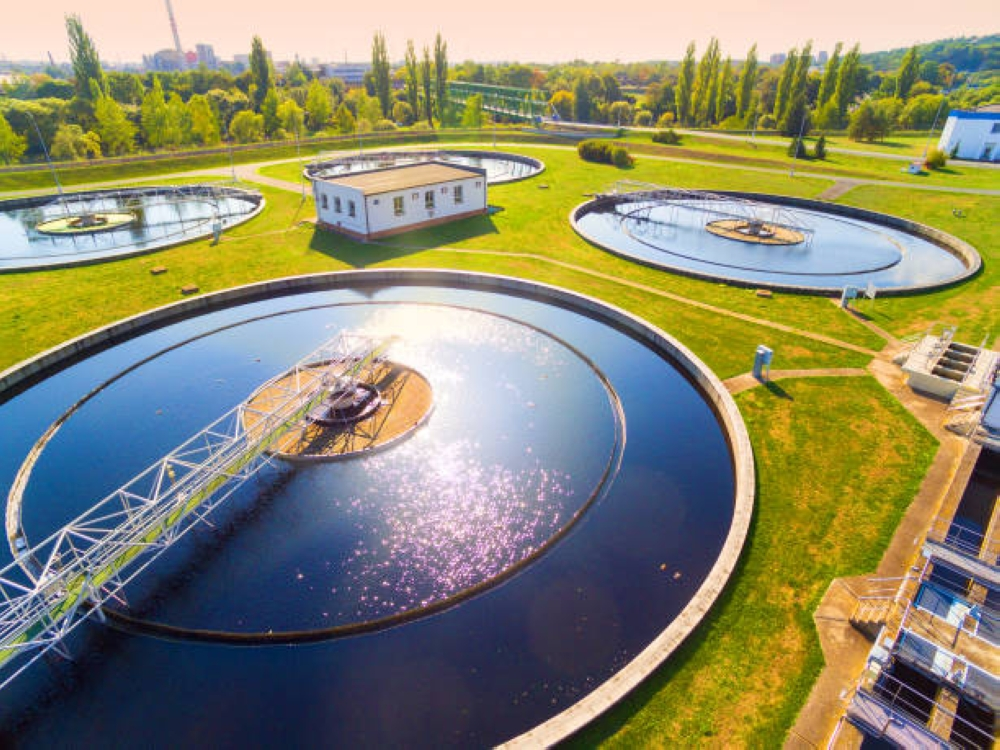
In a strategic move aimed at enhancing water security and protecting public health, the Saudi Ministry of Environment, Water and Agriculture has approved a comprehensive set of regulations and requirements governing the reuse of treated wastewater. These measures are part of the Kingdom's efforts to achieve environmental sustainability in line with the goals of Vision 2030, and include deterrent penalties of up to 600,000 riyals for violators.
Strategic context: Water security and Vision 2030
These decisions cannot be viewed in isolation from the Kingdom's general direction towards maximizing the utilization of available water resources. Given the scarcity of natural water in the region, treated wastewater is considered a vital strategic resource for the agricultural and industrial sectors, thus alleviating pressure on groundwater and desalinated water. Through these regulations, the Ministry aims to transform this resource into added economic value, while ensuring the highest environmental and health safety standards to prevent any pollution that could harm the soil or human health.
Strict ban on indiscriminate use
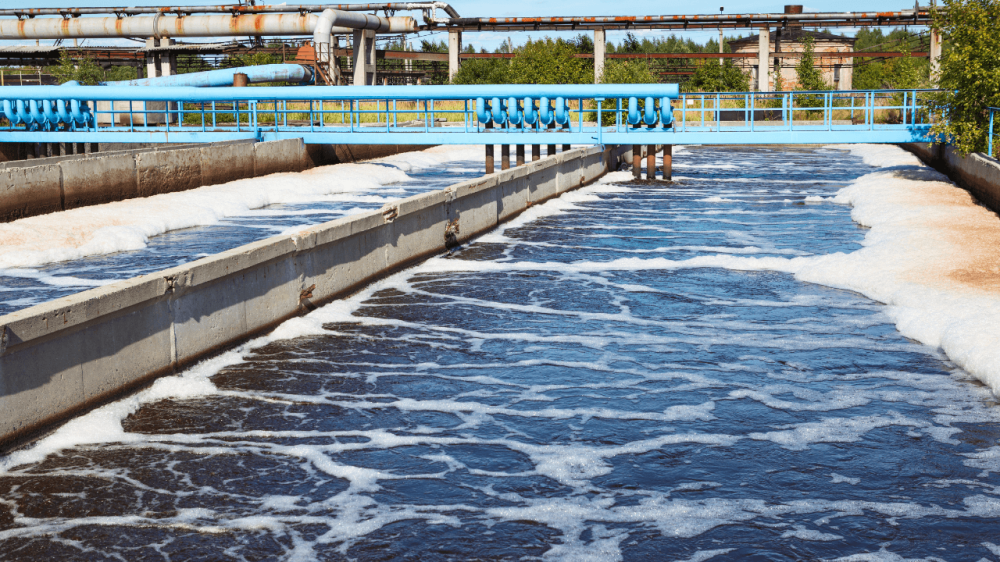
The new regulations explicitly prohibit the use of untreated wastewater in any activity and forbid its discharge into the natural environment due to the biological and chemical risks it poses. The Ministry has entrusted oversight to the relevant authorities, specifically tasking the General Irrigation Authority with monitoring the use of treated water and immediately reporting any violations of the established standards.
A precise classification of treated water uses
The controls clearly distinguished between types of water treatment:
- Double-treated water: It is permitted to be used in specific areas such as restricted agricultural irrigation (for non-food crops or those undergoing processing), industrial and mining purposes, provided that it meets standard specifications.
- Triple-treated water: The ministry has made its use more widely available, but it has set red lines that cannot be crossed, most notably prohibiting its use for drinking, in food industries, or for irrigating leafy and root crops that are eaten raw (such as lettuce and radishes), in order to ensure that no pollutants are transferred to the end consumer.
Protecting groundwater and wells
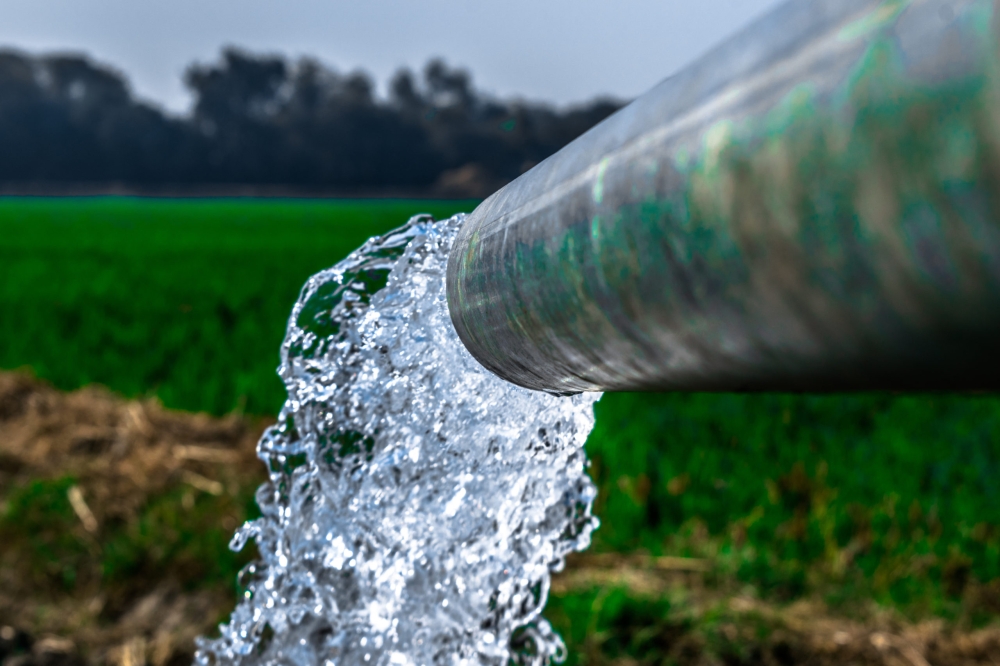
The regulations paid particular attention to protecting strategic groundwater reserves, prohibiting the injection of treated wastewater into aquifers except with specific and precise permits. They also imposed strict conditions on wells located near treated wastewater outlets, requiring their owners to conduct periodic laboratory tests (every three months) to ensure they are free of contaminants before using them for restricted irrigation. The ban on using this water for drinking or irrigating vegetables intended for fresh consumption remains in effect.
List of penalties and fines
To ensure compliance, the ministry has established a schedule of violations that is strict and graduated according to the severity of the damage:
- 600,000 riyals: untreated sewage water for any purpose, or discharging it randomly.
- 200-300 thousand riyals: fine for using treated water for drinking, domestic use, or food industries.
- 100-200 thousand riyals: Penalty for using treated water as a source for bottled water factories or filling stations.
- 50-70 thousand riyals: fine for irrigating leafy and root crops that are eaten raw with triple-treated water.
- 10-30 thousand riyals: Fine for negligence in conducting periodic analyses of well water near the outlets.
These measures confirm the Kingdom’s determination to apply the highest quality standards in managing its water resources, ensuring a sustainable and secure future for generations to come.