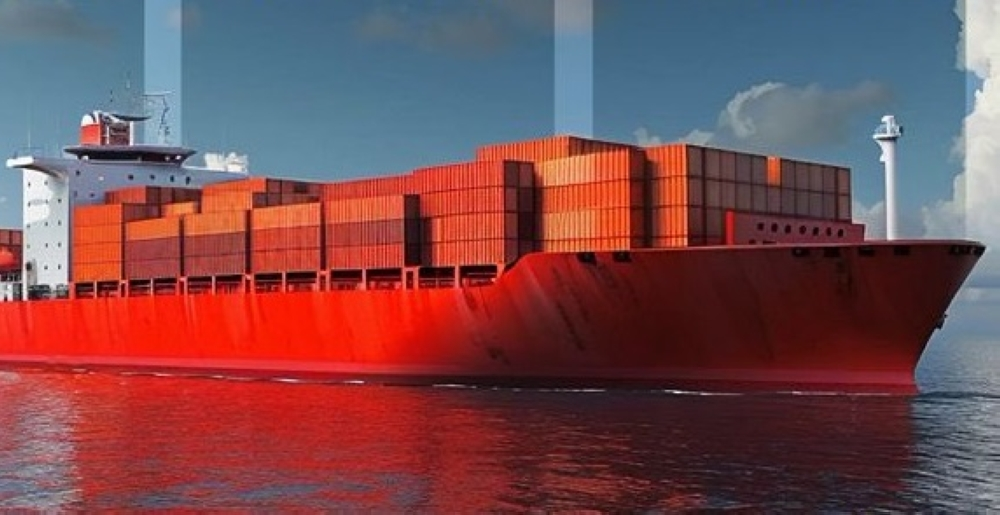
Red Sea ports have achieved a remarkable milestone, exceeding 112,000 TEUs (twenty-foot equivalent units) per week in handling capacity. This development enhances the efficiency of global supply chains and maritime trade, thanks to close collaboration with major shipping lines. The Kingdom’s key container ports on the west coast are at the forefront of the logistics landscape, serving as a cornerstone for supporting the resilience of maritime trade at both regional and international levels.
A historical path and an ambitious vision towards leadership
Historically, the Red Sea has been a vital artery for global trade, connecting the continents of Asia, Africa, and Europe, and through which a significant portion of international trade passes. In modern times, Saudi Arabia has recognized the paramount strategic importance of this waterway, prompting it to launch ambitious initiatives within its Vision 2030 to transform the Kingdom into a global logistics hub. Maritime infrastructure has witnessed billions of dollars in investments to develop berths, deepen drafts, and equip terminals with state-of-the-art gantry cranes and smart technologies. This historic transformation is not a sudden occurrence, but rather the result of strategic planning aimed at reducing dependence on oil and diversifying national income sources by maximizing the benefits of the Kingdom's unique geographical location.
Huge operational capabilities in Red Sea ports
The Saudi Ports Authority (Mawani) revealed details of these massive operational capacities, reflecting the scale of development in Red Sea ports . Jeddah Islamic Port, the region's premier hub port, accounted for the largest share with a handling capacity of 101,047 TEUs (twenty-foot equivalent units) per week. The operational framework also showed that King Abdullah Port contributes significantly by handling 8,615 TEUs per week. Meanwhile, Jazan Port for Basic and Downstream Industries supports this trade with a capacity of up to 2,500 TEUs per week, reflecting strategic integration among Saudi ports to meet growing demand.
Economic impact and securing global supply chains
The significance of this qualitative leap in loading and unloading capacity is underscored by its direct impact on the local, regional, and international economies. Locally, this increased capacity contributes to lower import and export costs, supporting domestic industries and enhancing the competitiveness of Saudi products in foreign markets. Regionally, this step strengthens the Kingdom's position as a major distribution hub serving the Middle East and North Africa. Internationally, providing such a large handling capacity serves as a safeguard for global supply chains, particularly in light of geopolitical challenges and the fluctuations in shipping lanes.
The regulatory body explained that these capacities are the result of strategic cooperation with global shipping giants, along with feeder vessel companies, to expedite transport. It emphasized that this close maritime connection enhances the readiness of Saudi ports to accommodate increasing container traffic, thus solidifying the Kingdom's position as a global logistics hub linking three continents. This advanced operational performance reflects the Saudi maritime sector's commitment to ensuring the smooth and reliable delivery of goods to global markets, thereby guaranteeing the sustainability of economic growth.