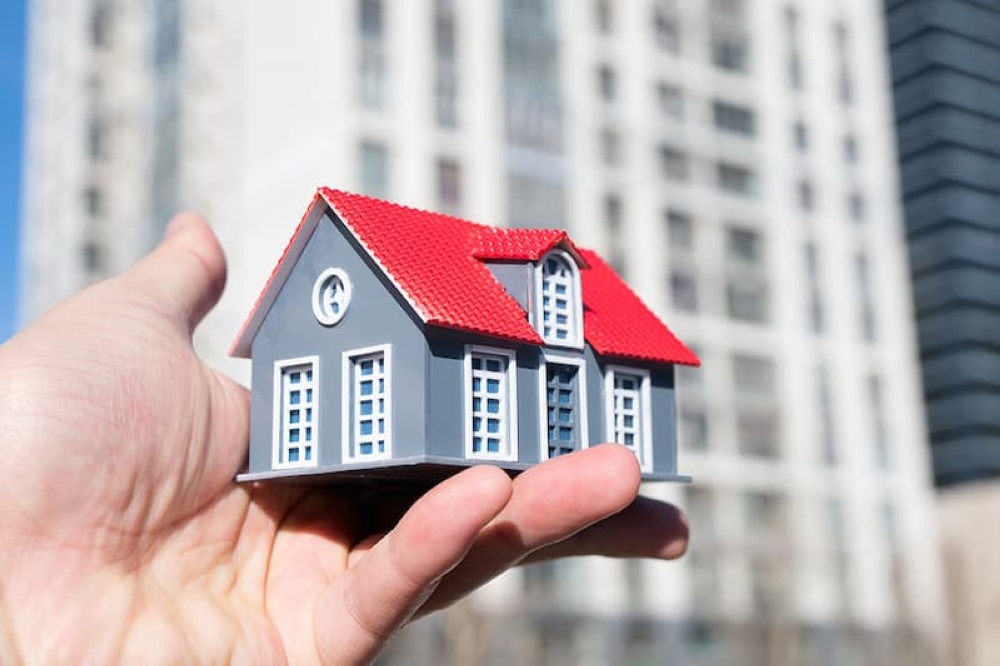
The real estate sector in Saudi Arabia continues to prove its role as one of the main pillars of the economic diversification strategy, as the latest data showed a remarkable increase in its economic contribution during the third quarter of 2023. According to the performance report issued by the General Authority for Real Estate, the sector’s contribution to the non-oil private GDP reached 26.7%, while its contribution to the overall GDP reached 14.1%, which confirms its vital importance in achieving the goals of the Kingdom’s Vision 2030.
General context: Vision 2030 and its pivotal role
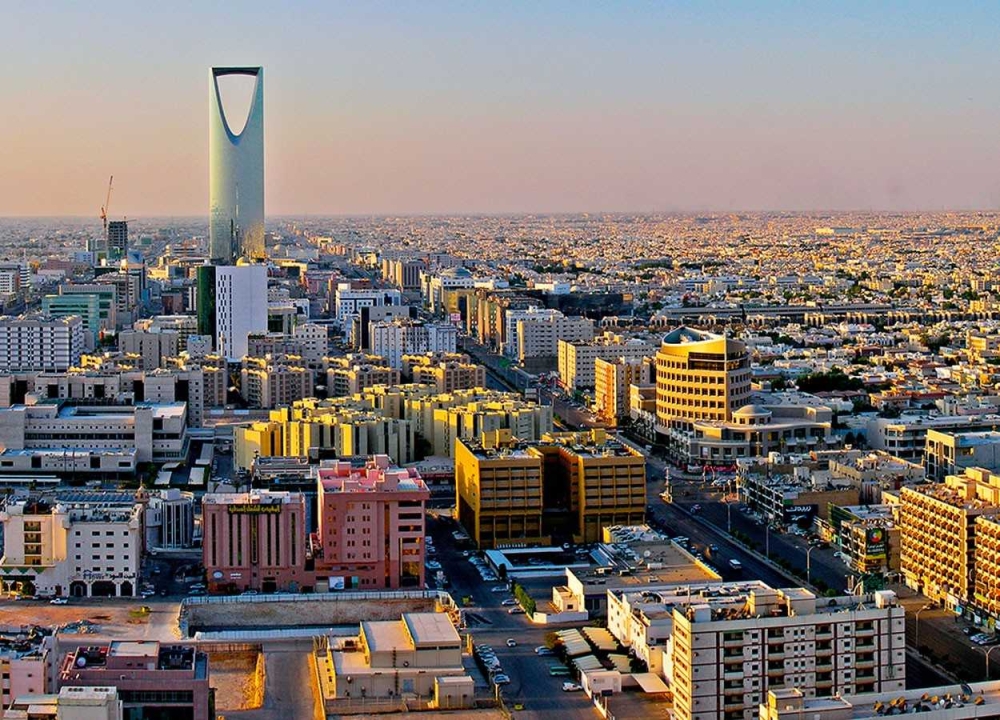
This surge in growth comes within the context of the comprehensive economic transformation the Kingdom has been undergoing since the launch of Vision 2030. The Vision aims to reduce reliance on oil as the primary source of income and diversify the economic base. Within this framework, the real estate sector has been identified as a strategic sector capable of attracting substantial investments, creating job opportunities, and improving the quality of life for citizens and residents. The government supports this direction through the launch of mega-development projects such as NEOM, the Red Sea Project, and Qiddiya, in addition to housing programs designed to increase homeownership rates among citizens—all factors that directly contribute to boosting the real estate market.
Economic and social impact: localization and new jobs
The sector's impact wasn't limited to overall figures; it extended directly to the labor market. Job localization programs in real estate activities achieved a significant leap, with the percentage of Saudis working in the sector rising to 54.4% by the end of the third quarter of 2023. This achievement not only reflects the success of government policies but also highlights structural shifts in the labor market. Indicators showed a 14.8% annual growth in construction jobs, indicating a concentration of job creation in on-site construction and development activities, which aligns with the scale of ongoing projects across the Kingdom.
Financial market performance and real estate prices: maturity and balance
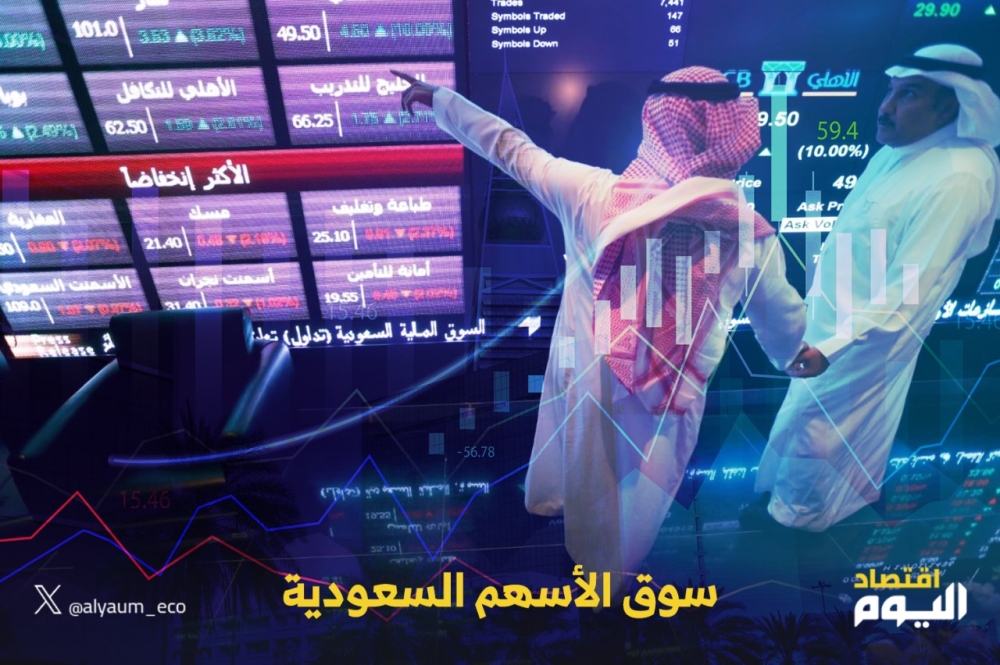
In the financial market, the sector exhibited mixed trends reflecting market maturity. While real estate management and development companies saw their trading value rise by 3.7% year-on-year to reach SAR 20.5 billion, real estate investment trusts (REITs) experienced a decline. This divergence reflects the diversity of investment patterns and investors' preference for companies with direct development projects.
Regarding prices, the real estate price index recorded a slight decrease of 1.1% quarter-on-quarter, a healthy correction that contributes to rebalancing the market after periods of rapid growth and makes prices more in line with purchasing power. In contrast, rental prices continued to rise, driven by increased demand in major cities, reflecting robust economic and population activity.
Looking ahead: Sustainable growth
The strong performance of the Saudi real estate sector demonstrates its potential to be a sustainable engine of non-oil economic growth. With the continued implementation of major projects, the development of regulatory frameworks, and increased transparency, the sector is expected to attract further domestic and foreign investment, reinforcing the Kingdom's position as a leading global investment destination and supporting the achievement of its ambitious development goals.