Strategic shift in the Saudi real estate sector
The real estate market in Saudi Arabia is witnessing a historic transformation, driven by the accelerated pace of implementation of major projects within Vision 2030. A recent report issued by CBRE Middle East highlights this pivotal shift from the regulatory establishment phase to the accelerated implementation phase, reshaping the landscape of the residential, commercial and logistics sectors alike.
General context: Vision 2030 as a key driver
The Kingdom's economic transformation journey began with the launch of Vision 2030, which aims to diversify income sources away from oil, enhance quality of life, and attract global investment. The real estate sector is a cornerstone of achieving these goals, with the government investing heavily in infrastructure projects and mega real estate developments such as NEOM, Qiddiya, the Red Sea Project, and Diriyah. These projects are not limited to building residential and commercial units; they aim to create integrated and sustainable communities that will strengthen the Kingdom's position as a global destination for tourism, business, and living.
Supportive economic indicators and regulatory reforms
This transformation rests on a solid economic foundation, with recent indicators showing remarkable GDP growth, driven by the strength of the non-oil sector, which has become a major contributor to the economy. This growth coincided with fundamental regulatory reforms that enhanced market transparency and attractiveness, most notably the finalization of the law on foreign property ownership, which is expected to unlock new avenues for foreign demand in specific investment areas. The launch of digital platforms such as “Saudi Real Estate” has also contributed to market regulation and streamlined procedures, creating a more mature and stable investment environment.
The residential sector: Towards a healthy and sustainable balance
The residential sector is undergoing a period of rebalancing. With the delivery of thousands of new housing units, particularly in major cities like Riyadh through large-scale projects such as Al Fursan and Roshan, price growth has begun to slow, serving the goal of increasing homeownership among citizens. This stability is creating a healthier market in the long term, and the implementation of the foreign ownership law is expected to further stimulate demand in high-quality residential communities.
Office market: Record demand thanks to regional headquarters
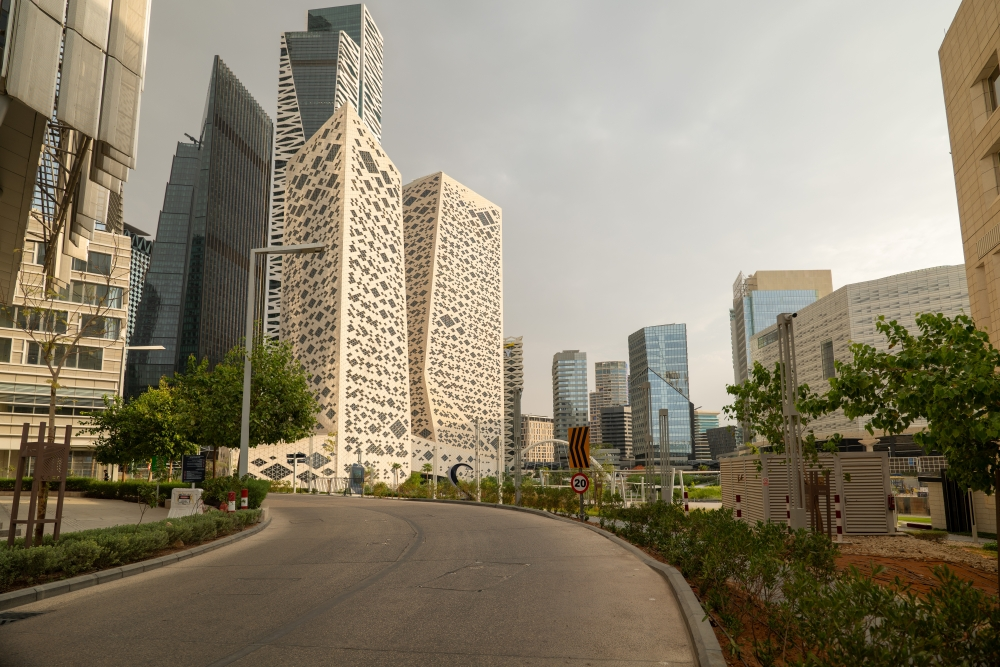
The office market stands out as one of the strongest performing sectors, driven by the success of the Regional Headquarters Program, which attracted hundreds of international companies to relocate their regional headquarters to the Kingdom. This increased demand has led to prime office space in Riyadh, particularly in the King Abdullah Financial District (KAFD), reaching near-capacity, pushing rents to record levels and fostering a culture of pre-leasing off-plan projects.
Hospitality and Retail: Focus on Experience and Lifestyle
The retail and hospitality sectors are moving towards a model focused on delivering unique experiences and modern lifestyles. Mega-projects like The Avenues Riyadh and Westfield Riyadh are more than just shopping malls; they are integrated destinations combining luxury shopping, entertainment, and dining. In the hospitality sector, while occupancy rates have been affected by increased hotel supply, the broader tourism ecosystem continues to grow strongly, supported by infrastructure developments such as the Red Sea International Airport and the opening of world-class entertainment destinations like Six Flags in Qiddiya, promising a bright future for the sector.
The industrial and logistics sector: the backbone of global trade
The industrial and logistics real estate sector continues to deliver exceptional performance, fueled by the explosive growth of e-commerce and the National Logistics Strategy, which aims to position the Kingdom as a global logistics hub. With significant investments being attracted and smart logistics zones being developed, warehouse and industrial space rents continue to rise, reflecting the sector's strategic importance in achieving the Vision's objectives.