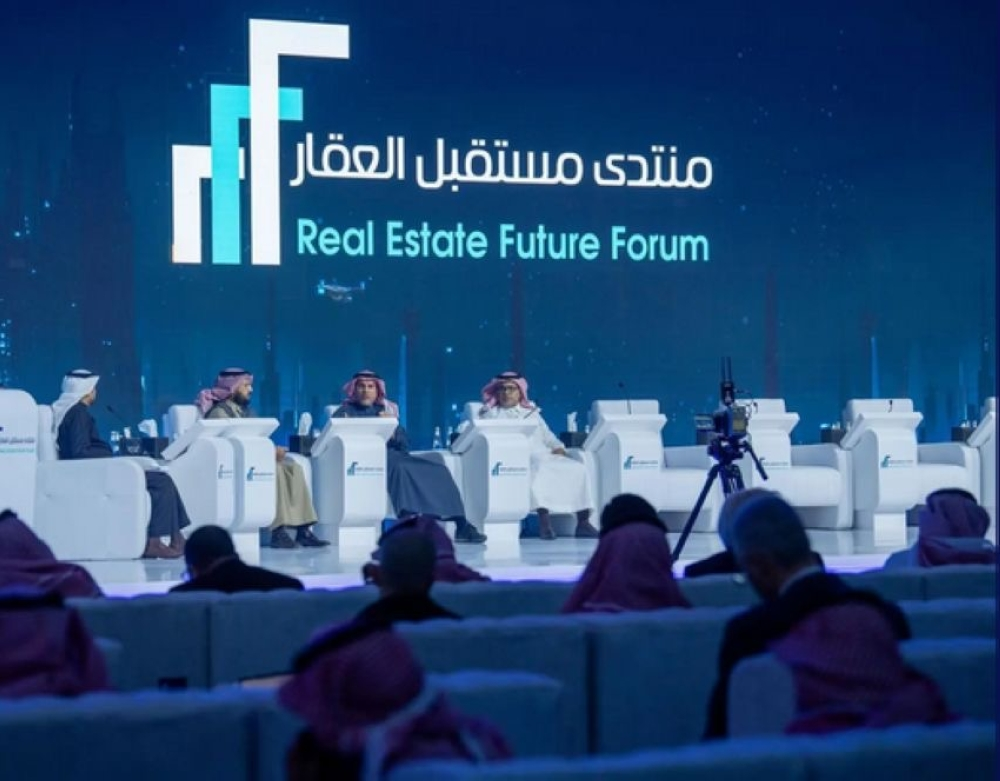
His Excellency the Minister of Investment, Engineer Khalid Al-Falih, affirmed that the real estate and construction sector in the Kingdom of Saudi Arabia constitutes a cornerstone of sustainable economic growth, noting that it represents a safe investment haven amidst a global economic environment characterized by uncertainty and ambiguity. Al-Falih's remarks came during his participation in the "Future Real Estate Forum" held in Riyadh, where he highlighted the pivotal role the sector plays in achieving the objectives of the Kingdom's Vision 2030.
The general context within Vision 2030
These statements come within the context of the comprehensive economic transformation underway in the Kingdom, as the government seeks to diversify its sources of income and reduce its dependence on oil. The real estate sector is considered one of the most important pillars of this strategy, currently contributing approximately 13% to the non-oil GDP, with expectations of rapid growth. The Kingdom is working on launching mega-projects such as NEOM, the Red Sea Project, Qiddiya, and The Line City, which rely primarily on developing advanced infrastructure and real estate, creating unprecedented investment opportunities for local and international investors.
The importance of the sector as a safe haven
Al-Falih explained that real estate and infrastructure assets are less volatile than other investment vehicles such as stocks, which can be directly and rapidly affected by global crises. With rising global inflation and increasing debt, real estate investment provides an effective hedge against the erosion of the real value of capital. The minister noted that this trend is not limited to the local market; major global investors, as observed in economic forums like Davos, are increasingly turning to real estate assets to preserve the value of their wealth over the long term.
Expected local and international impact
Domestically, the impact of the real estate sector's growth extends beyond attracting investment; it also includes creating millions of jobs for citizens, meeting the increasing demand for housing units through government housing programs, and improving the quality of life in Saudi cities. Internationally, the scale and quality of Saudi projects position the Kingdom as a global hub for real estate investment, enhancing its economic and political standing on the international stage. Attracting significant foreign investment in this sector not only finances projects but also transfers advanced global expertise and technologies in construction and sustainable urban planning.