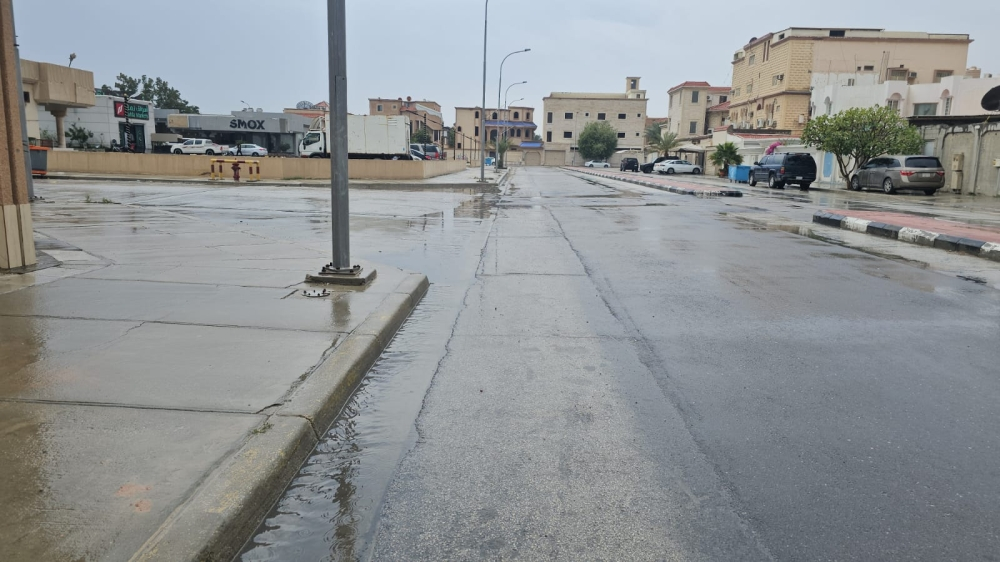
In a regulatory move aimed at enhancing governance and standardizing the urban landscape, the Saudi Cabinet issued a decision approving rules and standards for naming public facilities in the Kingdom. This decision puts an end to individual interpretations in naming streets, government buildings, and squares, establishing a new phase of precise regulation that aligns with the Kingdom's political and cultural standing.
Strict controls and high-level approvals
The new regulations explicitly and firmly stipulate that no public facility may be named after the Kings of Saudi Arabia, Crown Princes, or even heads of state of sister and friendly nations, without prior approval from the highest authority. This measure reflects the symbolic and protocol-related significance of these names and ensures their use in contexts befitting their historical and national standing, avoiding any arbitrary application.
The context of the decision and its organizational dimensions
This decision cannot be viewed in isolation from the comprehensive regulatory reforms underway in the Kingdom under Vision 2030. Regulating the naming of public facilities is an integral part of improving the "quality of life" and developing the urban landscape in Saudi cities. Historically, some areas have had inconsistent or duplicate names, sometimes causing confusion. These new regulations supersede the old regulations issued in 1406 AH (1986 CE) and establish a modern system that takes into account the urban and technological development the country is experiencing.
Legal and security standards
The regulations did not overlook legal and security considerations; they prohibited the use of names that violate Islamic law and forbade the use of the Beautiful Names of God except those explicitly exempted (such as Peace, Justice, and Kingship). Furthermore, they mandated that government agencies conduct a thorough security check on the proposed name holder to ensure their criminal and intellectual record was sound, thus reinforcing national values and protecting society from perpetuating the names of individuals with potentially problematic security or ideological backgrounds.
Expected impact: Standardization of geospatial data
This decision is expected to facilitate the work of the General Authority for Survey and Geospatial Information, as it mandates that government agencies establish and provide the Authority with updated databases annually. This technical integration will enhance the accuracy of digital maps and navigation systems, serving the national economy, the tourism sector, and logistics, and facilitating precise access to locations.
Deadline for correction and implementation
To ensure smooth implementation, the decision granted government agencies a grace period of 120 days from the date the rules came into effect to review the existing names and correct their status, in addition to continuous coordination with the Ministry of Municipalities and Housing to issue the necessary executive regulations, which confirms the state’s seriousness in applying these standards to unify the visual and cultural identity of public facilities in all regions of the Kingdom.