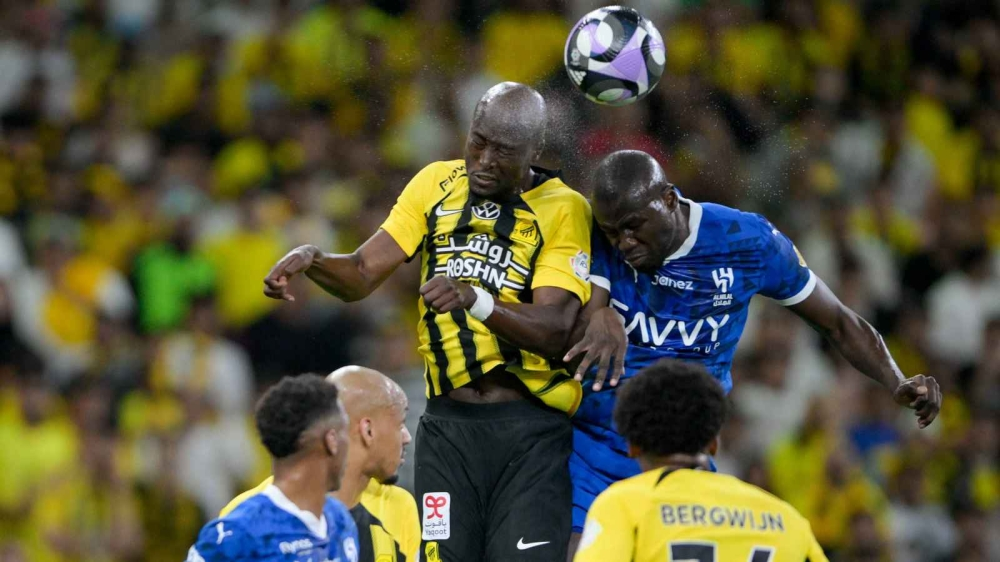
No one can deny the pivotal role foreign players have played in elevating the level and prestige of the Saudi Professional League, transforming it into a global destination that attracts football fans from all over the world. Thanks to the presence of superstars like Cristiano Ronaldo, Neymar, Karim Benzema, and Sadio Mane, the league has gained unprecedented international renown, its marketing value has soared, and its matches are now broadcast in dozens of countries, attracting new viewers and international sponsors.
General context: An ambitious project within Vision 2030
This qualitative leap was not a coincidence, but rather part of a massive sports investment project aligned with the goals of Saudi Vision 2030. Through this project, the Kingdom aims to diversify its economy away from oil and solidify its position as a global hub for sports and entertainment. Attracting these stars was not only intended to raise the technical level of competition, but also to enhance the Kingdom's soft power on the international stage and establish the Saudi League as one of the top 10 leagues in the world.
The dilemma: The future of the Saudi player is at stake
But amidst this immense momentum and global glamour, a fundamental and troubling question arises: where does the Saudi player fit into this equation? With the increasing number of foreign players allowed in each team, opportunities for local players, even the most talented, have become extremely limited. Many Saudi talents find themselves relegated to the bench, waiting for an opportunity that may never come, or forced to move to lower-level clubs to secure playing time. This situation not only impacts individual player careers but also casts a dark shadow over the future of the national teams.
Impact on the national team: a warning sign
The decline in playing time for local players directly and negatively impacts the performance of the Saudi national team. Players who don't play regularly for their clubs lose match sharpness, and their physical and technical levels suffer, thus reducing the options available to the national team coach. Many critics and analysts have noted that the Green Falcons' performance in recent regional and continental tournaments, such as the Asian Cup, has fallen short of expectations, especially when compared to other national teams that rely primarily on their local players, who form the backbone of their clubs in their domestic leagues. This disparity raises serious questions about the sustainability of the current model.
Searching for balance: Are there any solutions on the horizon?
Many critics and experts are calling for a balanced approach that ensures the continued strength and appeal of the league while simultaneously safeguarding the rights and future of Saudi players. Among the proposed solutions are reviewing the number of foreign players allowed or establishing regulations guaranteeing a certain number of local players in each match. Others believe the solution lies in developing youth sectors and academies more professionally to produce talents capable of competing with international stars. The biggest challenge remains achieving this difficult equation: a world-class league and a strong national team, something the Saudi public hopes will be realized in the coming seasons.