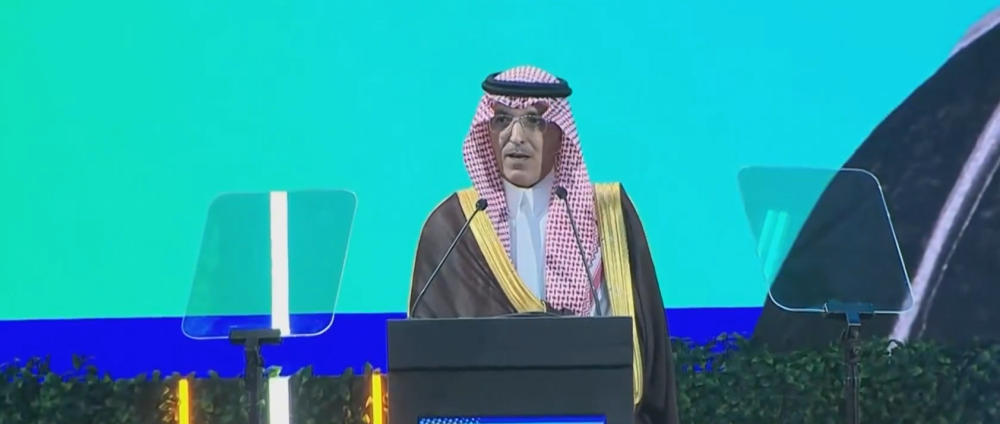
Mohammed Al-Jadaan clarified that the privatization programs, a cornerstone of Saudi Vision 2030, will not affect the free provision of essential services to citizens in the health and education sectors. The minister emphasized that the state will shift its role from "operator" to "regulator and purchaser of services," allocating substantial budgets to ensure the continued provision of these services at the highest standards of efficiency and quality.
General context: Privatization within Saudi Vision 2030
These statements come in the context of the major economic transformations underway in Saudi Arabia as part of Vision 2030 , which aims to diversify income sources and reduce dependence on oil. The privatization program is a strategic tool for achieving these goals by increasing the private sector's contribution to GDP, attracting foreign and domestic investment, and improving the efficiency of government spending. Historically, the state has been the primary provider and operator of public services, but this new model aims to create a more dynamic and competitive economy that leverages the expertise and capabilities of the private sector in management and operation.
Budget details and the new model
During the press conference announcing the state budget for the fiscal year 2026, Al-Jadaan revealed the allocation of over 460 billion riyals to the health and education sectors, reflecting the absolute priority the government places on these two vital sectors. The minister explained that the philosophy of privatization does not mean the state relinquishing its responsibilities, but rather restructuring them. Instead of directly managing hospitals and schools, the government will transfer ownership or operation of these assets to the private sector. In return, it will enter into contracts to purchase services from the private sector and provide them to citizens free of charge. This shift allows the state to focus on its regulatory and oversight role and ensure the quality of outcomes, rather than being preoccupied with day-to-day operational details.
A successful model and expected effects
Minister Al-Jadaan cited the experience of kidney dialysis centers as a real-world example of the success of this approach. Previously managed directly by the Ministry of Health, these centers were transformed into service-purchasing centers with specialized companies. This resulted in a significant improvement in the quality of care provided to patients, increased operational efficiency, and a reduction in the administrative and financial burden on the state. The wider implementation of this model is expected to have multiple positive impacts. Domestically, citizens will benefit from higher-quality services and a wider range of choices, while the local economy will experience growth in job opportunities and investment. Internationally, these steps enhance the attractiveness of the Kingdom's investment environment and underscore its commitment to implementing economic reforms.
Al-Jadaan concluded his remarks by emphasizing that the new budget carefully balances achieving financial sustainability and continuing spending on development projects, with a full commitment to the state’s social responsibility, to ensure that the well-being and quality of life of the citizen is the ultimate goal of all these reforms.