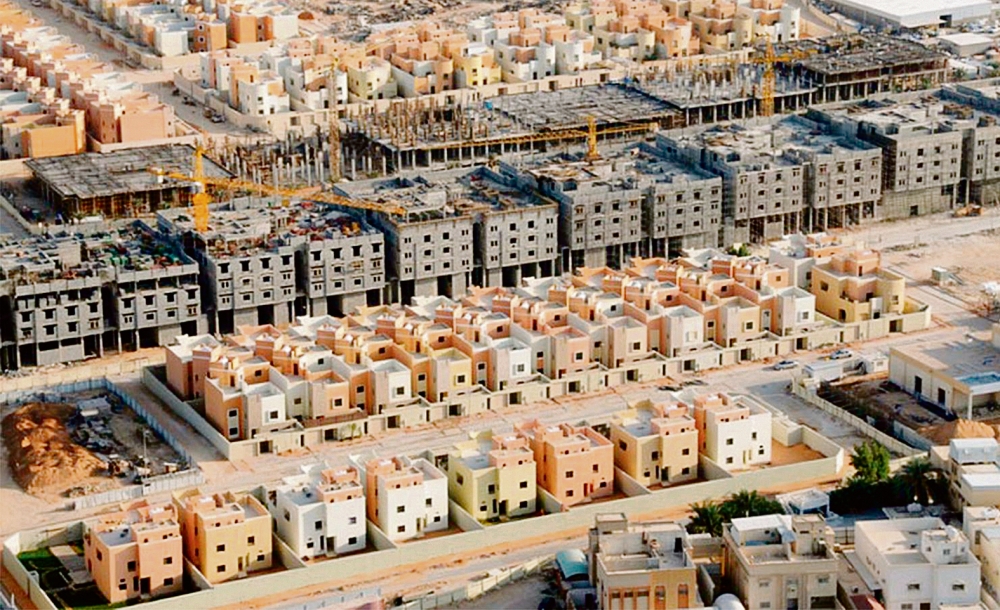
The Saudi Arabian real estate sector recorded exceptional growth during the third quarter of 2025, with off-plan sales projects experiencing an unprecedented boom and the number of existing units increasing by over 350% year-on-year. This remarkable growth, revealed in the Real Estate Sector Performance Report issued by the General Authority for Real Estate, reflects a profound structural transformation in the market, driven by the accelerated pace of development activity and developers' growing confidence in future demand.
General context: Vision 2030 as a key market driver
This significant leap forward cannot be separated from the broader framework of Saudi Vision 2030 and its ambitious programs, particularly the housing program aimed at increasing homeownership rates among citizens. Over the past years, the government has worked to establish stimulating regulatory and legislative frameworks, such as the "Wafi" off-plan sales program, which provides protection for both buyers and developers, thus enhancing the attractiveness of this type of real estate investment. These figures are not merely economic indicators; they are the fruit of strategic efforts aimed at creating a mature and sustainable real estate market that meets the needs of the Kingdom's population and economic growth.
Riyadh: The developmental and future center of gravity
Riyadh has emerged as the epicenter of this development activity, accounting for the largest share of off-plan sales with a total of 21,084 units. This concentration reflects Riyadh's transformation into a major construction site, not only in terms of residential projects but also in massive infrastructure and entertainment developments. Conversely, the city has witnessed a significant decline of 43.6% in the number of residential sales transactions for completed properties, confirming that future growth in the capital will be driven by the addition of new and innovative supply, rather than by recycling existing assets whose prices have reached saturation levels.
A structural shift in market behavior
Third-quarter data revealed a clear shift in buyer and investor behavior. With rising mortgage costs and saturated prices for completed units, demand began to seek more flexible and economically viable alternatives. Off-plan projects provided this ideal alternative, offering buyers convenient payment plans and competitive prices. This shift from trading existing assets to creating new ones is a healthy indicator of market maturity, as it is now driven by genuine demand and economic growth rather than short-term speculation.
Rental and commercial market indicators
In a related development, rental market data revealed a striking paradox: while the benchmark rental price index rose by 1.3%, the total value of residential rental transactions plummeted by 49.1%. This discrepancy is explained by tenants' tendency to adapt to rising prices by seeking smaller units or relocating to less expensive neighborhoods, demonstrating a high degree of demand elasticity. Regarding residential and commercial transactions, an increase in the number of deals was observed, while their total value remained relatively stable. This confirms that the market is moving away from unjustified price inflation and that liquidity is being channeled towards more realistic and widespread transactions rather than being concentrated in large, speculative deals.