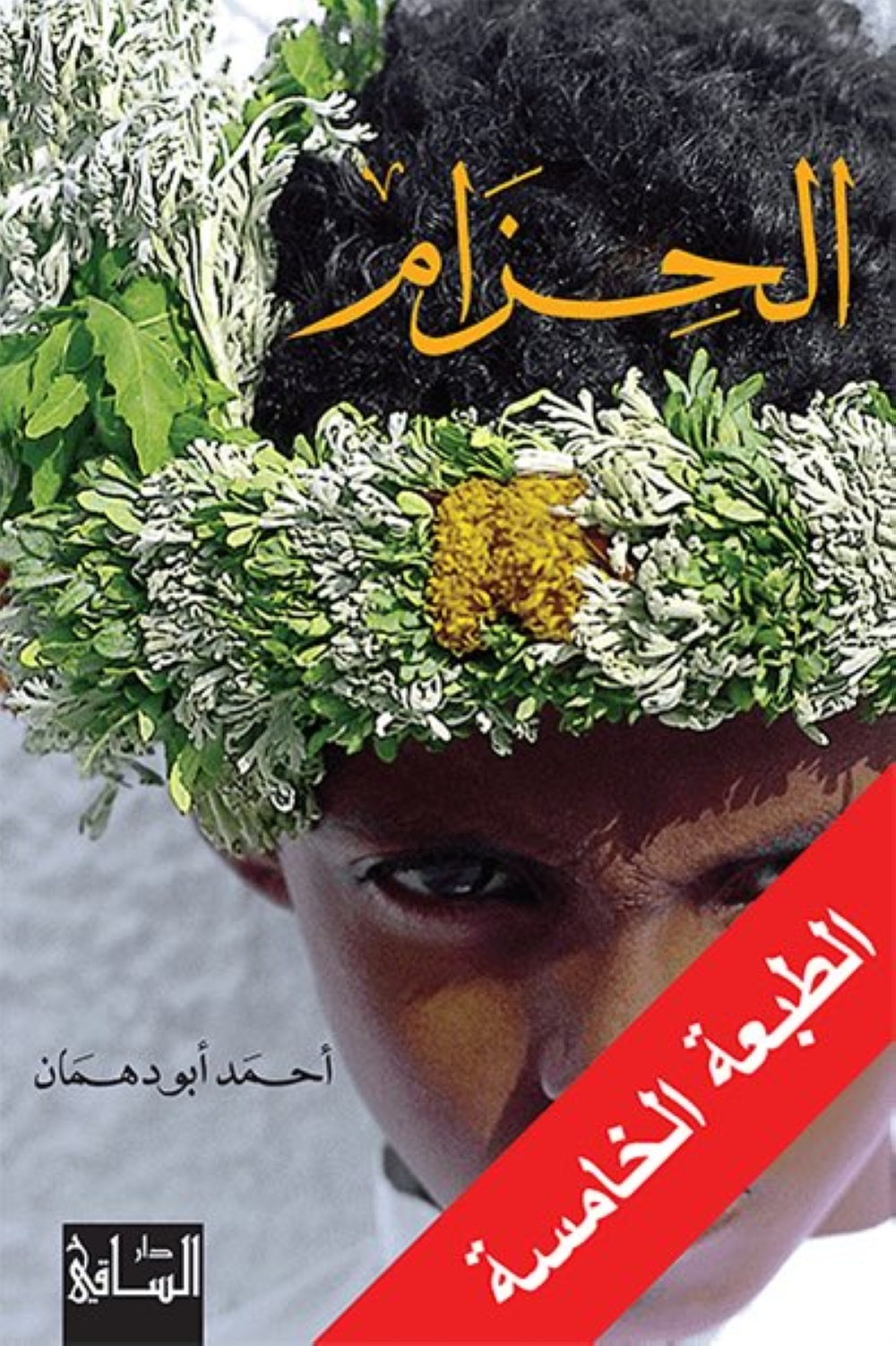
The prominent Saudi novelist and writer Ahmed Abu Dahman passed away at the age of 76, leaving behind a unique literary legacy and a career rich in cultural contributions that transcended national borders to reach international acclaim. Abu Dahman is considered one of the most prominent Saudi literary voices who succeeded in building a strong cultural bridge between East and West, specifically between his small village in southern Saudi Arabia and the French capital, Paris.
From the village of Al Khalaf to the world
The late Ahmed Abu Dahman was born in 1949 in the village of Al Khalaf in the Sarat Abidah Governorate of the Asir region, an area rich in its unique cultural and social heritage that later formed the core of his literary works. He grew up in a conservative environment, and his childhood and youth were steeped in the details of rural life, which was on the verge of change due to the winds of modernity. This background was not merely an autobiography, but became the raw material from which he shaped his worldview. He later moved to France to complete his studies and live there for a significant part of his life, which gave him a dual perspective that allowed him to view his original culture with both nostalgia and critical analysis.
The novel "The Belt": A literary phenomenon
The novel "The Belt" (La Ceinture) is considered an icon of Abu Dahman's work and his contribution to the world. It was no ordinary event in the literary scene; he initially wrote it in French, and it was published by the prestigious Gallimard publishing house in Paris in 2000, a first for a Saudi writer. The novel achieved immediate critical and popular success in France and Europe, and it has been translated into more than eight languages, making it a rare and fascinating window through which Western readers can glimpse the details of southern Saudi society.
The novel revolves around the narrator's childhood in his village, poetically depicting the profound transformations his community underwent with the introduction of education, electricity, television, and other aspects of modernity. The "belt" symbolizes tradition and heritage, connecting the individual to their past, while the narrative explores how these traditions interact with the changing times. Later, Abu Dahman translated his novel himself into Arabic, and it was published by Dar al-Saqi in 2011, reintroducing it to its original audience.
Cultural importance and impact
The significance of Ahmed Abu Dahman's work lies in his ability to present an authentic local narrative in a universal language, transcending stereotypes about Saudi Arabia. He offered the world a profoundly human face of a society undergoing a delicate transition, masterfully capturing the nostalgia and anxiety accompanying the loss of an old world and the birth of a new one. Locally, his work inspired many Saudi and Arab writers to explore their local heritage and present it to the world with confidence and pride. The Saudi and Arab cultural communities mourned his passing, affirming that his death represents a great loss to contemporary Arabic literature and that his works will remain a testament to an important era in the history of social and cultural transformations in the region.