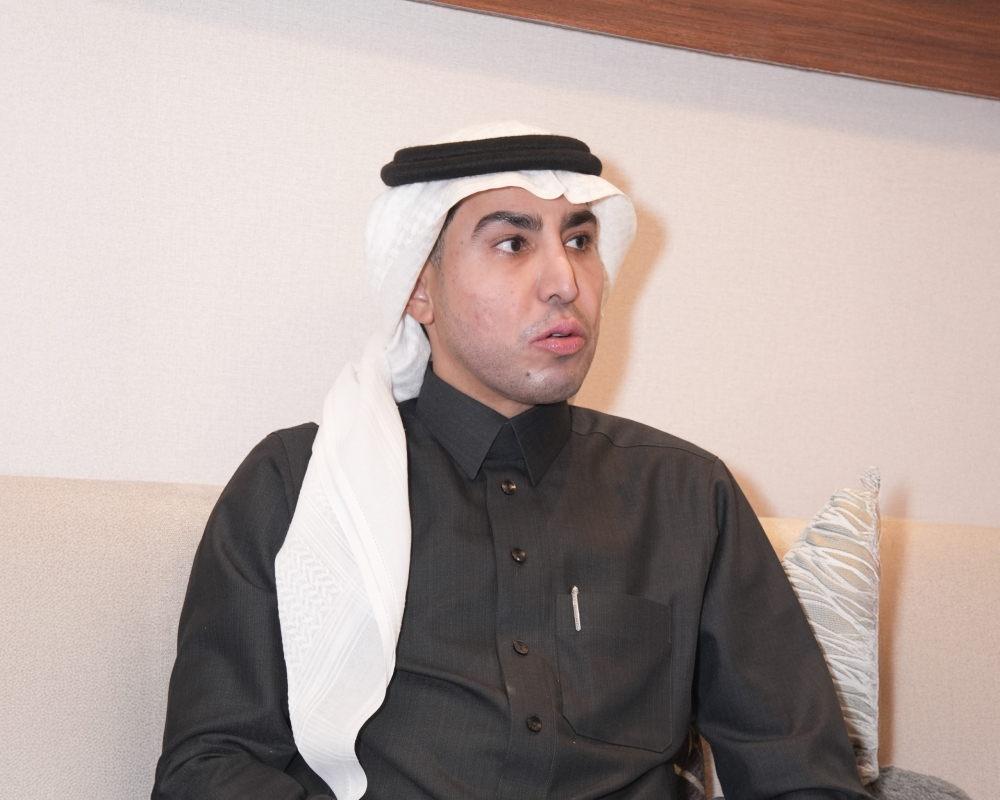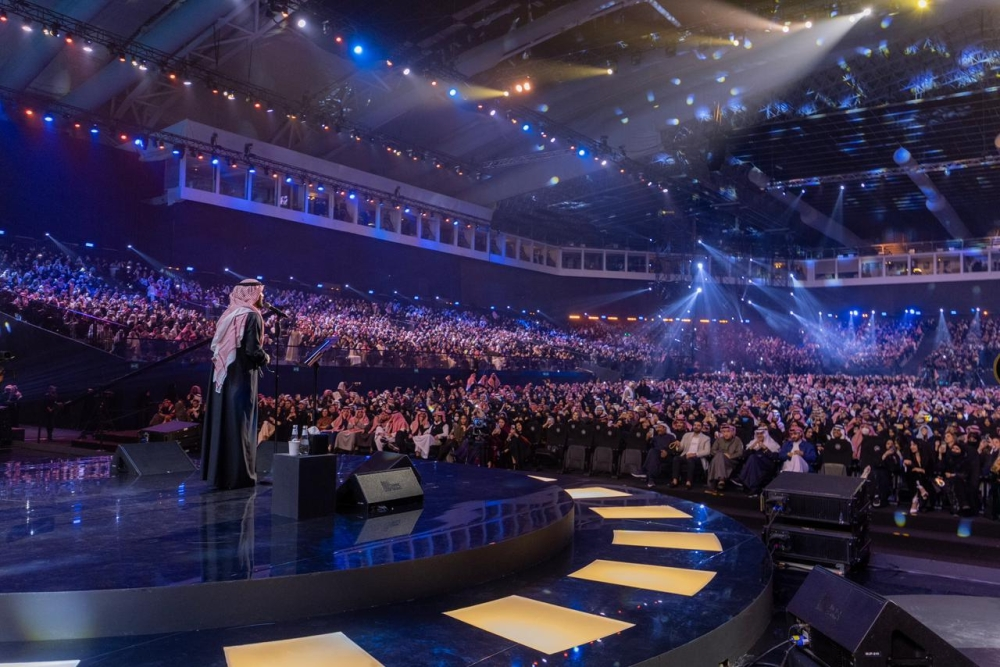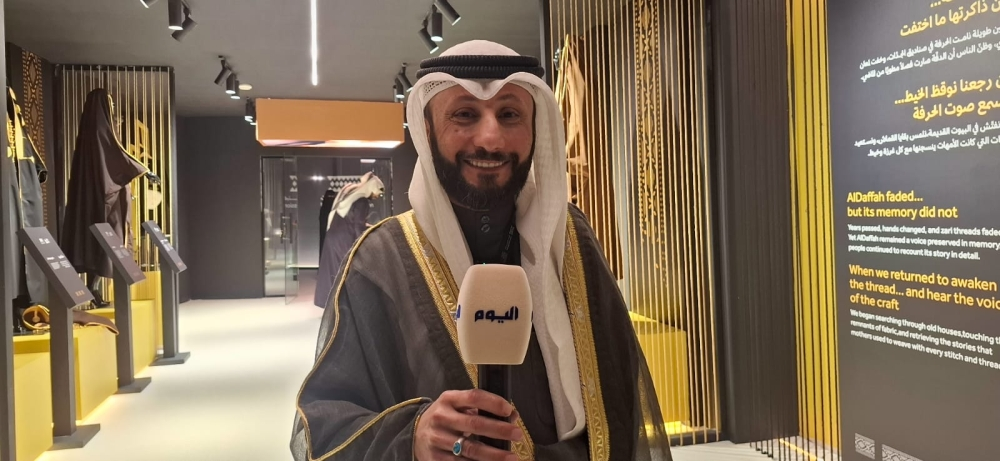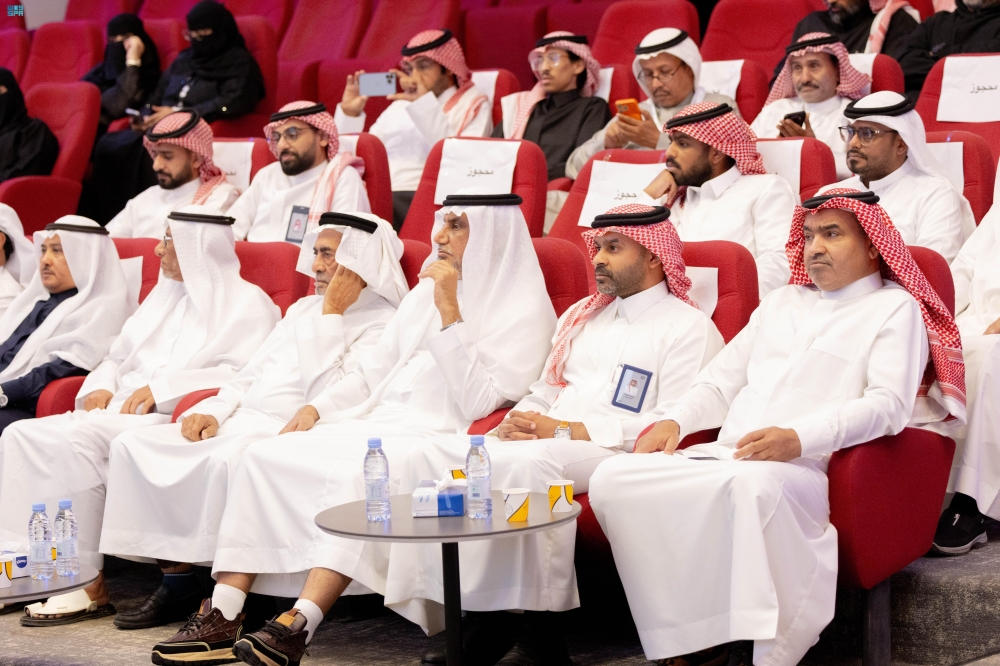
In a move reflecting the growing cultural dynamism in the Kingdom, the House of Culture in Jazan hosted a rich literary evening yesterday, organized in cooperation with the Culture and Arts Club and the literary partner of the Literature, Publishing and Translation Commission, the "Cultural Café." The evening served as an important platform for dialogue, bringing together a number of intellectuals and those interested in literature to discuss the Saudi novel , review its current state, and outline its future prospects.
The session, which witnessed remarkable audience engagement, explored the trajectory of the Saudi novel through an in-depth critical analysis. Participants discussed its artistic and intellectual transformations over the decades. The development of its narrative discourse was highlighted, revealing how it was both influenced by and reflected the major social and cultural shifts that Saudi society has undergone. The session also addressed the powerful presence of memory, place, and humanity in shaping the narrative text, and how Saudi novelists have skillfully employed these elements to create works that express local identity and engage with universal human issues.
The historical context of the Saudi novel
These discussions were not spontaneous; rather, they are an extension of a long journey that the Saudi novel began decades ago. From its earliest beginnings in the mid-20th century, through the foundational stage that witnessed pioneering works, to the great boom of the 1980s and 90s, the Saudi novel has proven its ability to be a mirror of society and a record of its developments. Prominent figures such as Abdul Rahman Munif, Ghazi Al-Gosaibi, and Turki Al-Hamad emerged, producing bold works that addressed complex political and social issues, and paving the way for new generations of writers, both men and women, such as Raja Alem and Badriya Al-Bishr, who added new dimensions to the narrative, particularly concerning the voice of women and their experiences.
The importance of the event and its expected impact
Such events are particularly important given the significant support the cultural sector is receiving as part of Saudi Vision 2030. These evenings are not merely discussion forums; they are part of a cultural infrastructure aimed at fostering creativity, stimulating critical dialogue, and creating an inspiring environment for young writers. Locally, these gatherings contribute to enriching the cultural landscape in various regions of the Kingdom, such as Jazan, and underscore that culture is not confined to the capital. Regionally and internationally, the maturing of Saudi narrative discourse and its in-depth analysis in critical forums enhances its chances of achieving global recognition through translation, presenting the world with a richer and more nuanced image of contemporary Saudi society, far removed from stereotypes.
The evening concluded with an open discussion and Q&A session, where attendees exchanged views on the reality of the Saudi novel and the challenges it faces, such as the relationship with publishing houses, the impact of digital platforms, and ways to reach the Arab and international reader, in a dialogue that reflected the vitality of the cultural scene and the public's passion for the local narrative product.