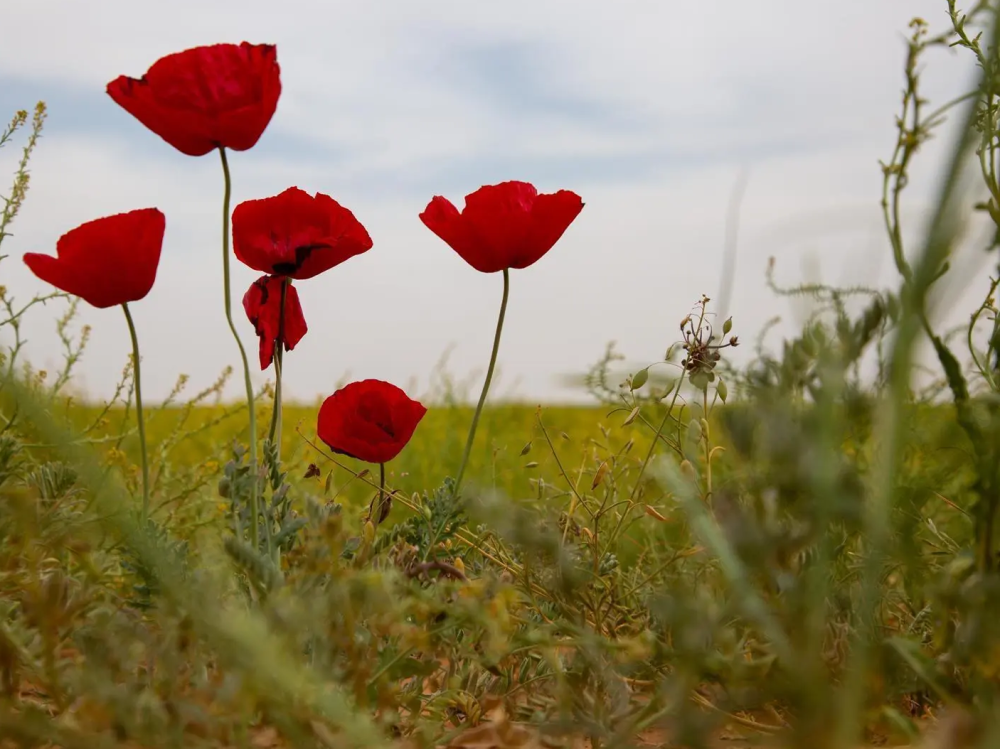
In a strategic move aimed at rehabilitating ecosystems and combating desertification, the National Afforestation Program has identified and classified 39 native plant species suited to the environmental and climatic conditions of the Northern Borders region. This announcement comes as part of ambitious national efforts to develop vegetation cover, support the overarching goals of the "Saudi Green Initiative ," and solidify the foundations of environmental sustainability outlined in the Kingdom's Vision 2030.
General context: A national vision for a green future
This initiative falls within a broader framework led by the Kingdom to address global environmental challenges, most notably climate change and land degradation. Through the launch of the "Saudi Green Initiative" in 2021, the Kingdom set an ambitious goal of planting 10 billion trees within its borders over the coming decades. This project is not simply about planting; it is based on meticulous scientific studies to select the appropriate plant species for each region, ensuring their growth, sustainability, and ability to adapt to local environments, particularly in areas with harsh climatic conditions such as the Northern Borders region, known for its hot summers, cold winters, and scarce rainfall.
The importance of selecting native plants and their expected impact
The program confirmed that the 39 identified species are distinguished by their remarkable ability to adapt to the region's diverse topography, from plateaus and valleys to mountains, plains, and sandy deserts. This plant life has been categorized into integrated biomes encompassing trees, shrubs, and perennials, as well as annual and perennial grasses, thus ensuring a balanced and resilient ecosystem.
The approved list includes plant treasures that constitute the region's ecological identity, such as wild jujube, acacia, tamarisk, and tamarisk . It also includes species of pastoral and environmental importance, such as saltbush, sedge, and tamarisk , as well as aromatic and medicinal plants of economic and cultural value, such as wormwood, yarrow, and lavender . These plants belong to ancient families that reflect the region's rich genetic heritage, such as the legume, rhizome, and grass families.
At the local level, these projects are expected to contribute to soil stabilization, reduce sand and dust storms, improve air quality, lower temperatures, and restore biodiversity by providing natural habitats for birds, insects, and other wildlife. Regionally and internationally, the Kingdom's success in rehabilitating its desert lands offers a pioneering model that other countries with similar conditions can learn from, and it reinforces the Kingdom's position as an active player in global efforts to combat climate change.
Community partnerships to ensure sustainability
Recognizing that success is only complete with broad community participation, the National Afforestation Program is leading a comprehensive movement to instill a culture of afforestation and environmental protection. This is achieved through building effective partnerships with the public, private, and non-profit sectors, with the aim of engaging all segments of society in planting and caring for these species. Current efforts focus on raising awareness of the importance of native plants and promoting volunteer work as a national value, to ensure the sustainability of these environmental projects, protect them from harmful practices, and transform them into a green legacy for future generations.