A new indicator of the success of Vision 2030
In a move reflecting the tangible progress in the economic diversification strategies adopted by the Kingdom of Saudi Arabia, data issued by the General Authority for Statistics showed a remarkable growth in non-oil exports (including re-exports) by 7.4% during December 2023, compared to the same month of 2022. This increase comes as strong evidence of the growing vitality of the non-oil sectors and their competitiveness in global markets, which represents a key pillar in achieving the objectives of the Kingdom’s Vision 2030.
General context: Ongoing efforts to diversify income sources
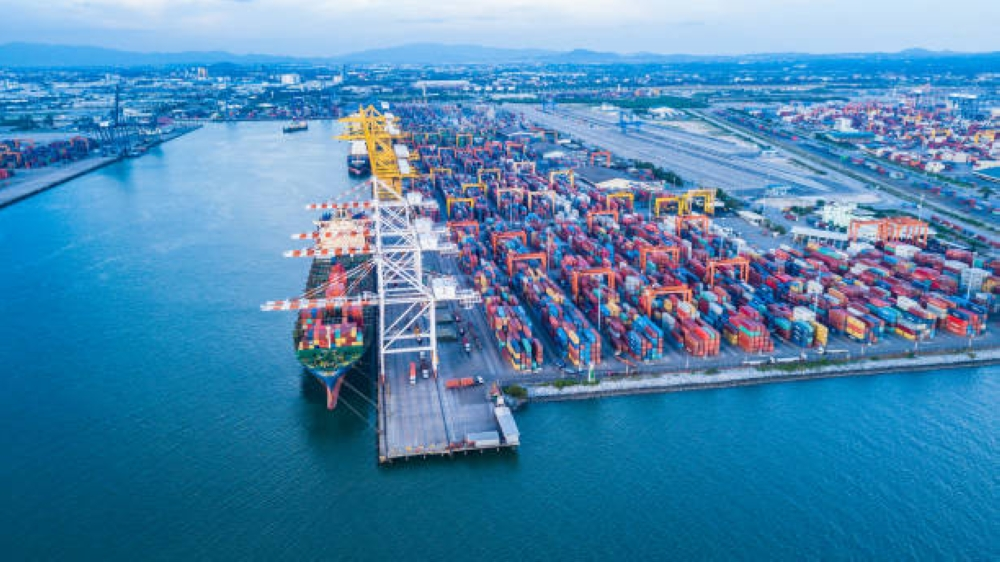
Historically, the Saudi economy has relied heavily on petroleum exports, making it vulnerable to fluctuations in global energy prices. Recognizing this, the Kingdom launched Vision 2030 in 2016, an ambitious roadmap aimed at reducing dependence on oil and building a diversified and sustainable economy. Since then, numerous programs and initiatives have been launched, such as the National Industrial Development and Logistics Program (NIDLP), which aims to transform the Kingdom into a leading industrial power and a global logistics hub. These programs target boosting non-oil exports by supporting local manufacturers, improving the efficiency of ports and logistics services, and opening new markets for Saudi products.
December business performance details
According to the data, total merchandise exports rose by 3.0% compared to December 2022, driven by growth in both petroleum exports, which increased by 1.0%, and the stronger growth in the non-petroleum sector. A breakdown of the non-petroleum export figures highlights the Kingdom's growing role as a re-export hub, with the value of re-exported goods surging by a remarkable 43.1%. In contrast, national non-petroleum exports declined by 8.5%. Regarding the trade balance, the value of imports increased by 2.4%, yet the merchandise trade surplus grew by 7.1%, underscoring the strength of the Kingdom's trading position.
Economic importance and impact
This growth in non-oil exports is of paramount strategic importance on several levels. Domestically, it contributes to boosting non-oil GDP, creating new job opportunities for citizens, and stimulating private sector growth. Regionally and internationally, these figures reinforce the Kingdom's position as a reliable and pivotal trading partner in the region. Furthermore, diversifying the export base gives the Saudi economy greater resilience in the face of global economic challenges and strengthens its trade relations with key partners, with data showing that Japan and China were among the top destinations for Saudi exports during this period.