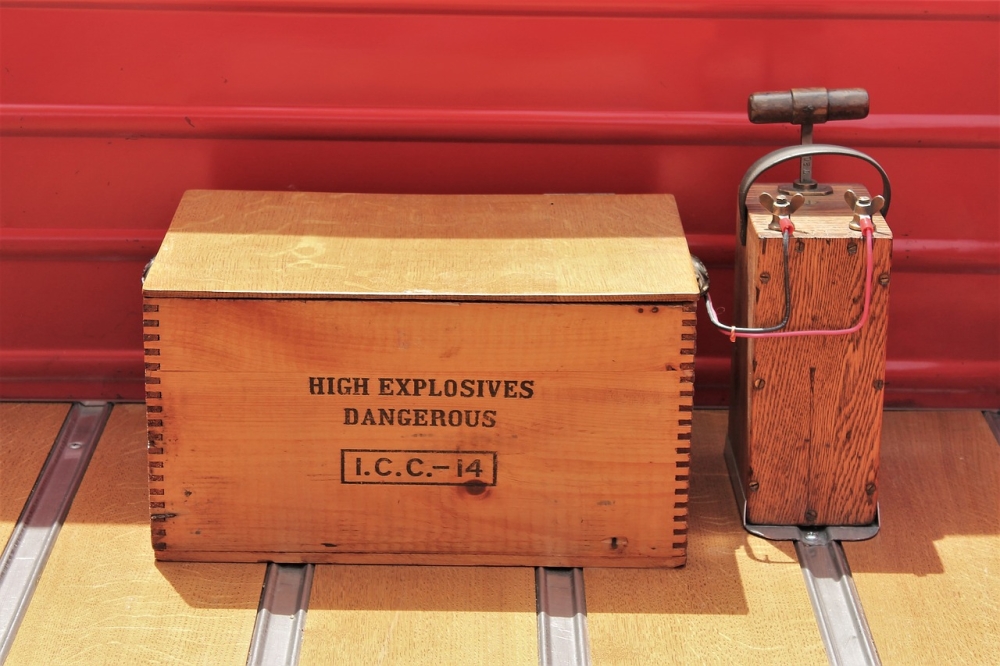
In a move aimed at strengthening public safety and security and keeping pace with rapid industrial developments, the Saudi Ministry of Interior has released the draft executive regulations for the Explosives and Fireworks Law through the "Istilaa" platform. This initiative is part of the Kingdom's efforts to modernize the legislative frameworks governing sensitive activities, ensuring that manufacturing, import, and handling processes adhere to the highest international standards.
A regulatory framework that aligns with Vision 2030
This regulation is of particular importance given the economic transformations underway in the Kingdom as part of Vision 2030, especially with the significant expansion in the mining, quarrying, and large-scale construction sectors, which rely heavily on explosives for civil and industrial purposes. The project aims to close any legislative gaps that might hinder the growth of these sectors, while maintaining national security as a top priority by establishing strict controls to prevent these materials from falling into unauthorized hands.
Strict conditions for establishing factories and millions in guarantees
The regulations set precise standards for establishing explosives manufacturing companies, requiring founders to have no criminal records or security restrictions. To ensure seriousness and financial solvency, the regulations mandated that applicants provide an unconditional bank guarantee of one million Saudi riyals in favor of the Ministry of Interior, valid for five years. They also emphasized the necessity of Saudization in leadership positions, stipulating that the company director must be a Saudi national.
Regulating imports and banning the Hajj season
Regarding import operations, the regulations specified the categories permitted to do so, such as companies licensed in the fields of oil and gas exploration and deep well drilling. A bank guarantee of 200,000 Saudi Riyals .
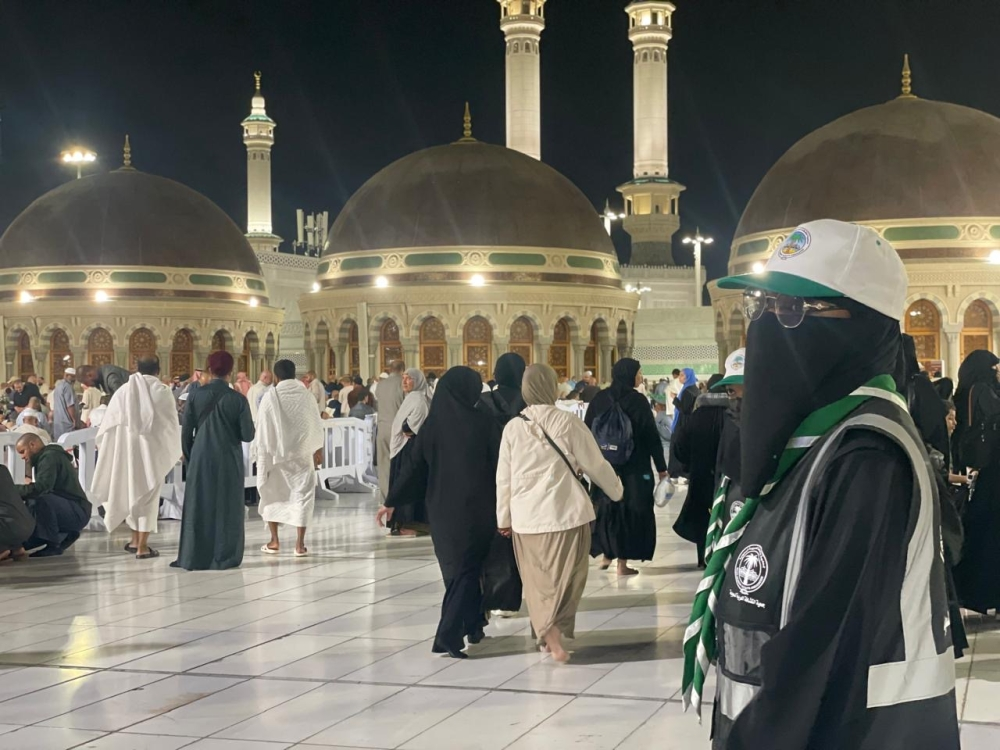
Among the most prominent points included in the regulations to ensure the safety of pilgrims and Umrah performers is the imposition of a comprehensive ban on the import and export of explosives during the Hajj season , specifically in the period from 30 Dhu al-Qi'dah to 20 Dhu al-Hijjah of each year. This is a precautionary security measure that reflects the authorities' keenness to provide the highest levels of security during major religious seasons.
Technical and engineering requirements for warehouses
The regulations did not overlook the technical aspects, detailing the engineering requirements for permanent and temporary warehouses. They stipulated that walls must be constructed of reinforced concrete or cement blocks of specific thicknesses and be fire-resistant, with the provision of natural ventilation systems and lightning protection.
The regulations also set precise geographical requirements, prohibiting the establishment of factories or warehouses in flood channels or near residential areas (at a distance of no less than 10 km), or within royal reserves, which enhances the protection of the environment and public and private property.
Expected impact
The adoption of this regulation is expected to contribute to raising the efficiency of the civilian explosives sector in the Kingdom, regulating the relationship between security agencies and companies operating in this field, in addition to enhancing security control through linking with international bodies such as Interpol in export cases, thus consolidating the Kingdom’s position as a leading country in applying industrial security and safety standards.