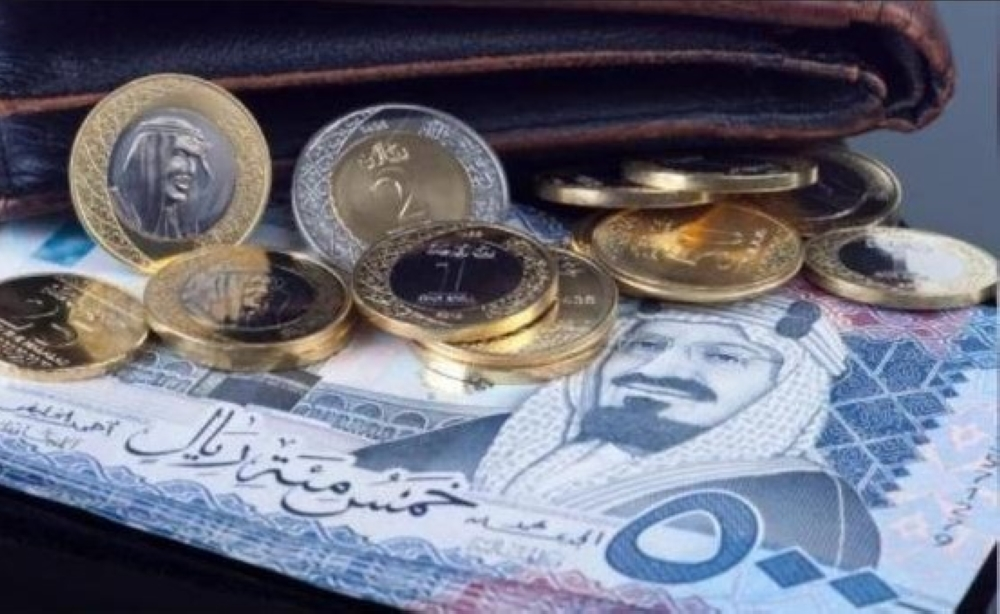
The National Debt Management Center in Saudi Arabia officially announced the completion of receiving investor applications for the January domestic issuance, which is part of the Saudi Arabian government's SAR-denominated Sukuk program. The total allocation for this issuance was set at SAR 2.269 billion.
Release Segments Details
According to the detailed statement issued by the center, the releases were divided into five main segments to meet different maturity dates, and their distribution was as follows:
- The first tranche: It amounted to 410 million Saudi Riyals, for bonds maturing in 2031 AD.
- The second tranche: It amounted to 338 million Saudi Riyals, for bonds maturing in 2033 AD.
- The third tranche: It amounted to 101 million Saudi Riyals, for bonds maturing in 2036 AD.
- The fourth tranche: Its size amounted to 523,000 Saudi Riyals, for bonds maturing in 2039 AD.
- The fifth tranche: It is the largest in size, amounting to 1.420 billion Saudi Riyals, for bonds maturing in 2041 AD.
Public Debt Management Strategy
This offering is part of the National Debt Management Center's annual borrowing plan, which aims to meet the Kingdom's financing needs in accordance with the objectives of the general fiscal policy. The Center continuously monitors local and international markets to seize suitable opportunities for issuing debt instruments, ensuring the Kingdom's continued access to various financial markets at fair pricing and contributing to strengthening the Kingdom's position in global debt markets.
These issuances are an integral part of the Kingdom’s financial market development strategy, as they contribute to building a sovereign yield curve for the Saudi Riyal, providing a benchmark for pricing issuances for the public and private sectors, and enhancing the depth of the local debt market.
Confidence in the Saudi economy
The continued investor demand for Saudi government sukuk reflects strong confidence in the resilience and strength of the Saudi economy and its ability to withstand global economic challenges. Government sukuk are considered a safe and low-risk investment instrument, making them a preferred choice for financial institutions and local investors.
This approach is also in line with the goals of the Kingdom’s Vision 2030, which aims to diversify funding sources and not rely entirely on oil revenues, in addition to enhancing the efficiency of financial planning and public debt management in a way that ensures financial sustainability and supports the major development projects that the country is witnessing.