Enhancing preparedness to protect pilgrims
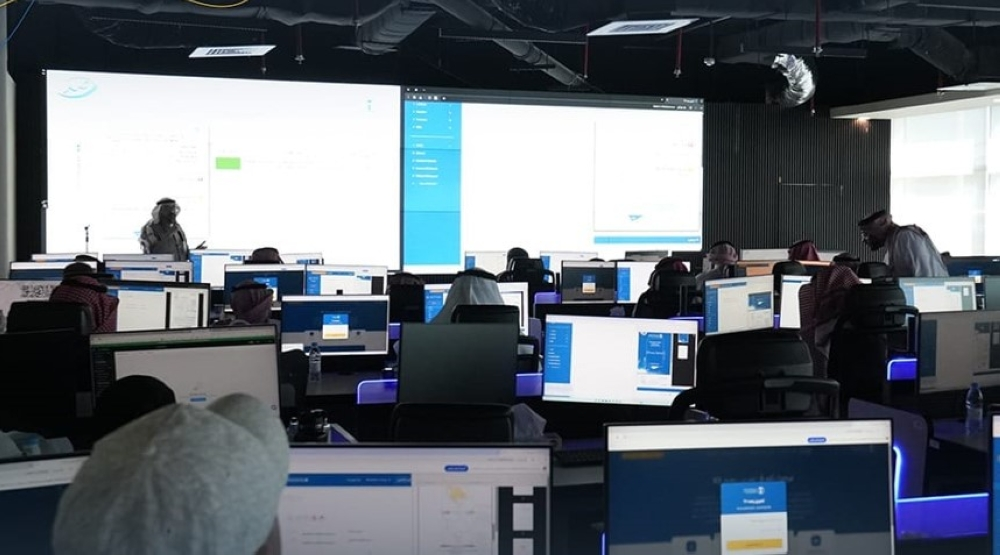
In a proactive step aimed at ensuring the highest levels of safety and security during the holy month of Ramadan, the National Center of Meteorology in Saudi Arabia, headquartered in Jeddah, conducted Exercise “Rasad 11.” The exercise saw broad and effective participation from 47 representatives of 25 relevant government agencies from the Makkah and Madinah regions, with the goal of testing and activating the detailed emergency plan for the Ramadan season of 1447 AH.
Historical context and strategic importance
These exercises are of paramount importance given the religious significance of Mecca and Medina, which receive millions of pilgrims and visitors from around the world during Ramadan. The region faces changing climatic challenges, including heavy rainfall leading to flash floods, sandstorms, and extreme heat waves. Therefore, the Kingdom is working diligently and continuously to develop its emergency and crisis management systems, stemming from its historical responsibility to serve the Two Holy Mosques and ensure the safety of their visitors. Exercise “Rasad 11” is part of a long series of efforts and initiatives aimed at enhancing coordination among various government sectors to address any potential weather-related emergency.
Advanced simulation of realistic scenarios
The exercise utilized state-of-the-art simulation technologies within a fully integrated virtual environment. A scenario was designed to simulate the impact of a severe weather event on the holy sites of Mecca and Medina. This advanced approach allowed for testing the effectiveness of response mechanisms, the speed of information dissemination, and the efficiency of communication channels between the National Center for Meteorology and other participating entities. Particular emphasis was placed on the Center's role in issuing reports and early warnings, ensuring their timely delivery to support decision-making processes at field locations, and ultimately contributing to the protection of lives and property.
Widespread local and international impact
Domestically, this exercise enhances integration among government agencies and raises their level of preparedness, positively impacting citizens' and residents' confidence in the state's ability to manage crises. Internationally, the Kingdom's success in ensuring the safety of millions of pilgrims and Umrah performers annually reinforces its standing and leadership in the Islamic world. These meticulous preparations demonstrate to the world the Kingdom's unwavering commitment to harnessing all its technological and human resources to serve the guests of God, in line with the objectives of Saudi Vision 2030, which prioritizes human safety. The exercise concluded with a set of important recommendations, most notably the need to continue testing alternative communication channels periodically and to maintain the highest levels of readiness and preparedness for the Hajj season.