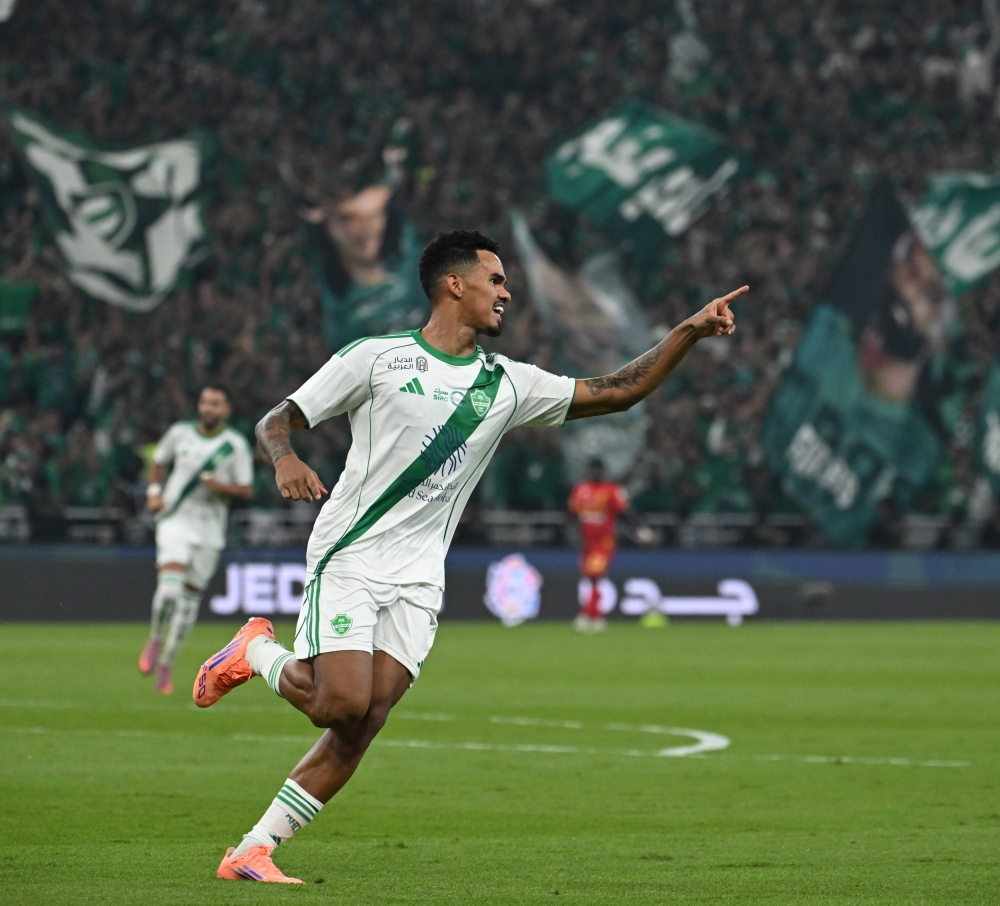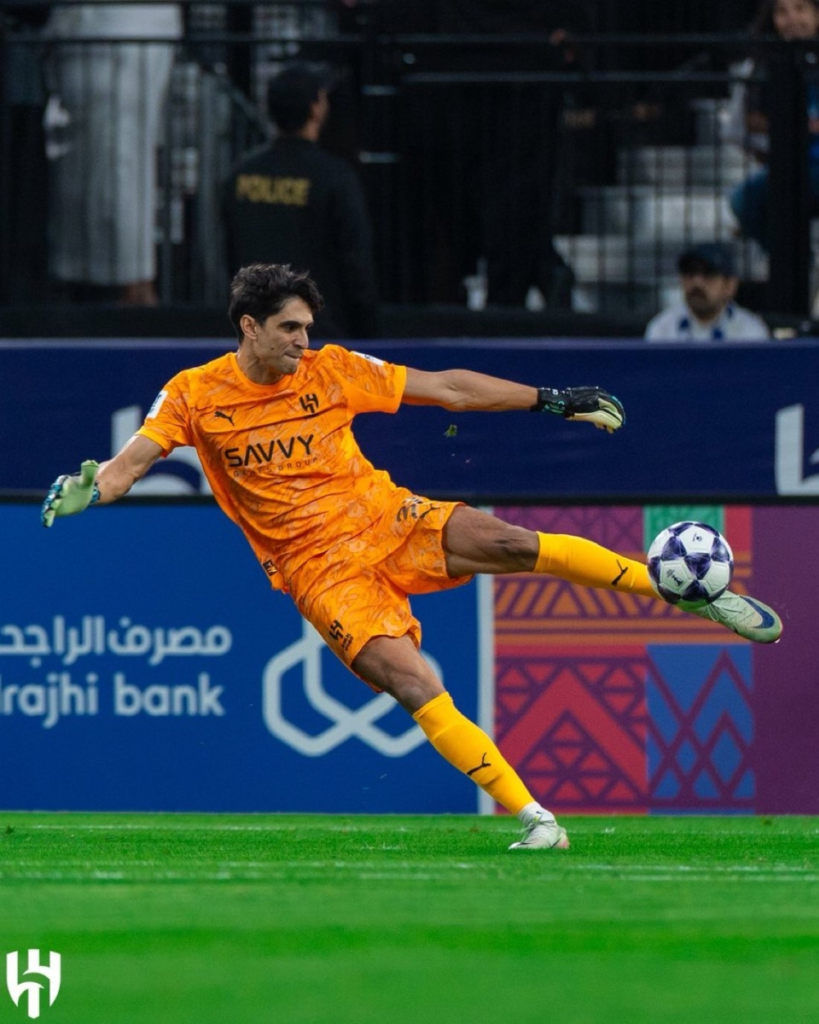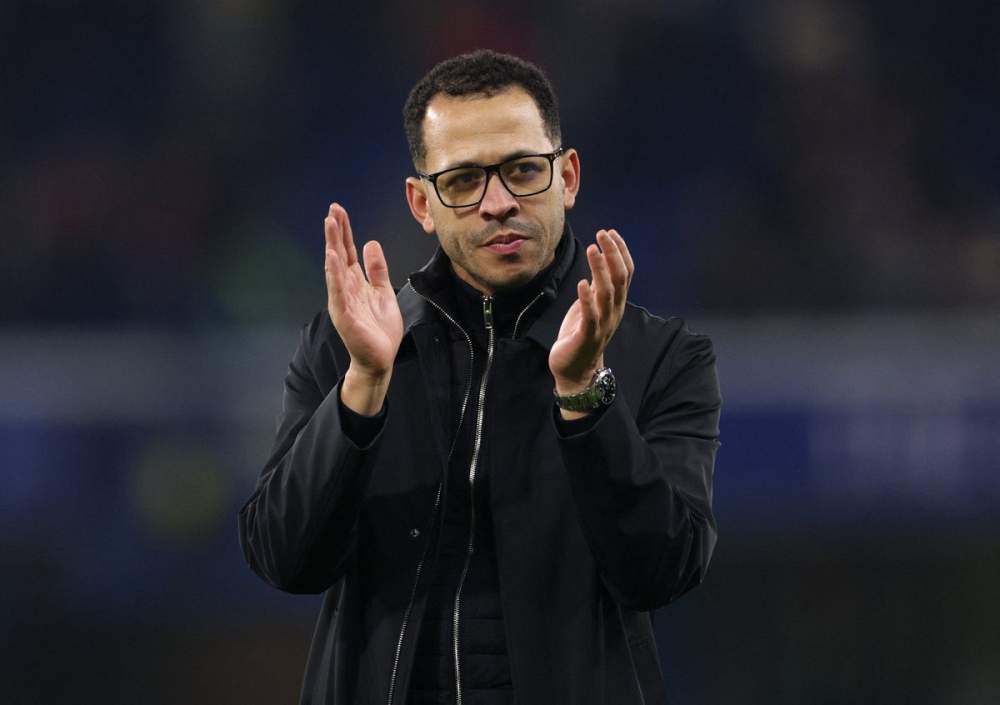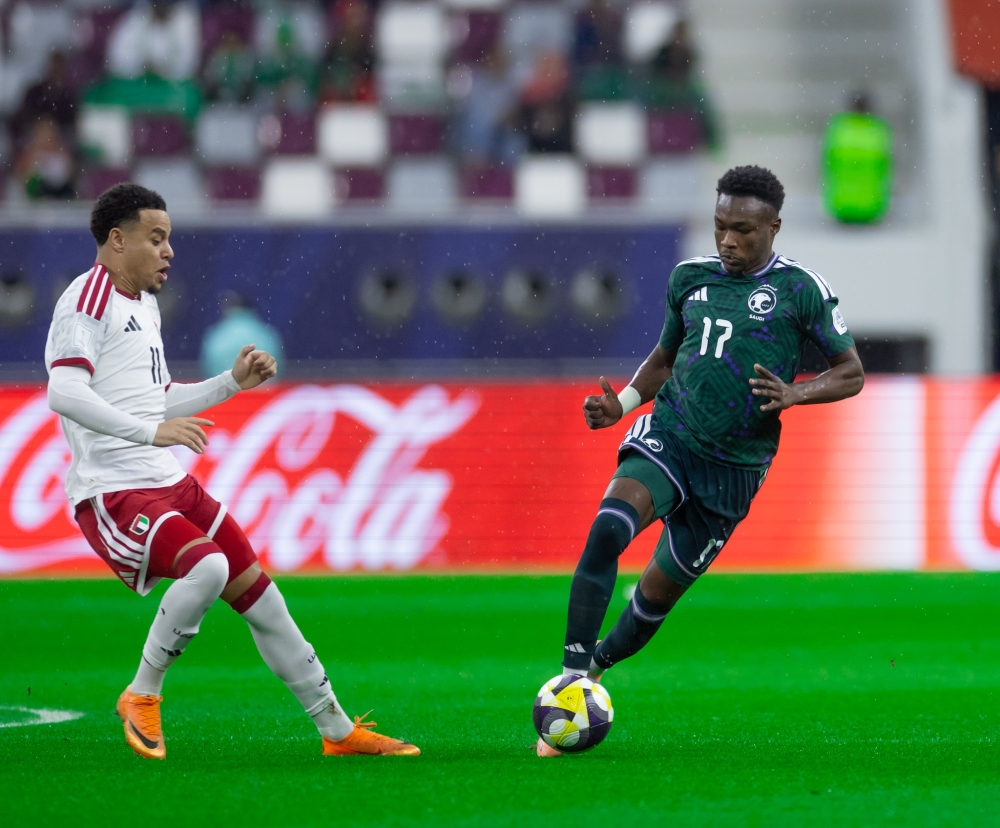
The Saudi national team's participation in the 2025 Arab Cup concluded with them securing third place and sharing the bronze medal with their Emirati counterparts. This followed the organizing committee's decision to cancel the third-place match due to severe weather conditions and heavy rain at the stadium. Despite the cancellation of the final match, the Green Falcons' journey in the tournament yielded numerous positive insights and strategic gains that transcended mere numerical results.
The context of the tournament and its regional importance
This participation comes at a crucial time for Saudi football, which is experiencing an unprecedented boom in both the domestic league and sports investment. The Arab Cup is gaining increasing importance as a platform that brings together Asian and African footballing styles, providing a unique competitive environment distinct from typical continental tournaments. Through this edition, the Saudi national team has reaffirmed its status as a powerhouse of Arab football, maintaining its historical legacy of competing at the advanced stages, thus reinforcing its leading position in the region.
Technical friction and tactical diversity
The first technical gain was the increased competitiveness; the Saudi team faced teams that relied on physical strength and high speed, a blend of Asian tactics and African physicality. This diversity forced the coaching staff and players to raise the tempo of matches and adapt quickly to changing game patterns, contributing to increased tactical flexibility and on-field discipline – essential factors for building a champion's character.
Discovery of new blood
The gains weren't limited to the core players; the tournament also served as an ideal platform to discover a number of promising young talents who showcased their abilities to the fans and coaching staff. These players proved that Saudi football is a fertile ground for talent, and that the bench possesses promising options capable of compensating for absences and shouldering responsibility in upcoming competitions.
A real rehearsal for the 2026 World Cup
Analysts view this participation as a crucial preparatory step on the road to the 2026 World Cup. With the expanded tournament to be held in the United States, Canada, and Mexico fast approaching, the Saudi national team needs to play matches with a competitive edge and experience the same level of public pressure they will face on the world stage. The tournament provided the coaching staff with a clear picture of the team's physical and mental readiness, revealing strengths to be reinforced and weaknesses to be addressed before entering the final qualifying rounds and global competitions.
The treasury was boosted by financial gains
On the economic front, these efforts culminated in the Saudi Arabian Football Federation receiving a $2.5 million prize for achieving third place. This financial return reflects the growing marketing value of Arab tournaments and represents a significant boost to support youth national team development programs and future training camps.
Experience and leadership: Keno and Al-Dossari
Technically, experience proved to be a decisive factor in tipping the scales in favor of the Green Falcons during difficult times, as exemplified by the performance of the duo Salem Al-Dawsari and Mohammed Kanno. This pair delivered a masterclass in on-field leadership, both in controlling the tempo of matches and creating individual solutions, confirming that the blend of youthful energy and years of experience is the formula for the national team's success.
Soft power: The Saudi public
In conclusion, the crucial role of the Saudi fans, who were the defining factor of the tournament, cannot be overlooked. Their massive attendance and unwavering support gave the players a tremendous morale boost and reaffirmed to the world the passion of the Saudi public for football, making the "Green Falcons" a team that plays as if it were on home soil, wherever it goes.