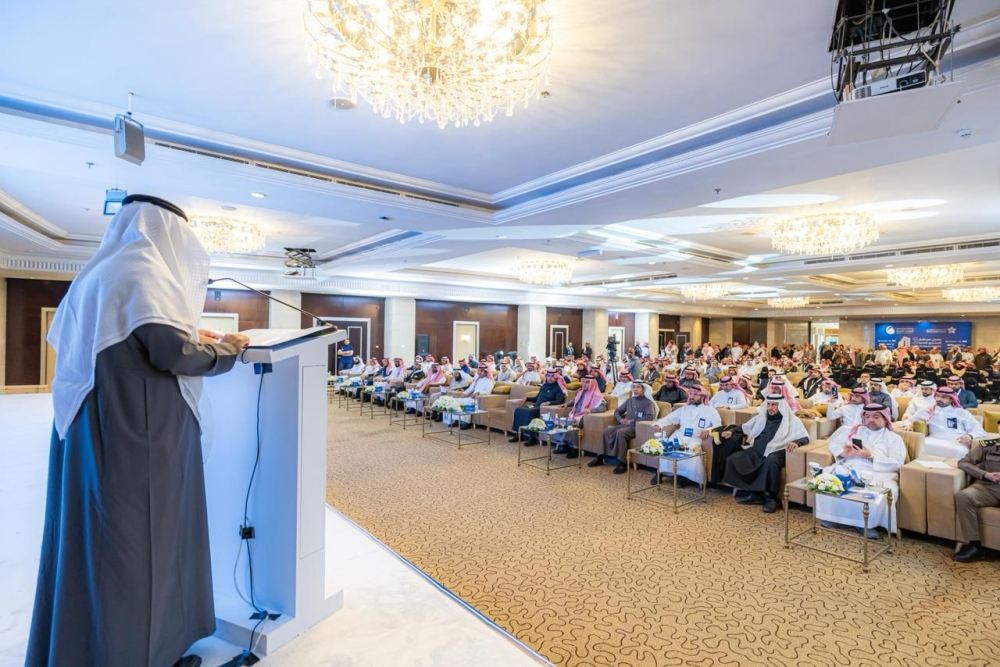
The Education and Training Evaluation Commission in Saudi Arabia announced the launch of the updated “National Qualifications Framework – Third Edition” project via the “Istilaa” platform, a strategic step aimed at bringing about a qualitative shift in the education and training system. This update comes as part of ongoing efforts to align educational outcomes with the changing demands of the labor market and modern global trends, directly contributing to achieving the goals of the Kingdom’s Vision 2030, which aims to build a globally competitive human capital.
Background of development and importance of the National Qualifications Framework
The National Qualifications Framework (NQF) is a fundamental reference tool for classifying educational, vocational, and training qualifications based on specific learning outcomes. Its importance stems from providing a common and understandable language across different education sectors and the labor market, facilitating the transition of individuals between education and employment pathways and enhancing the recognition of national qualifications both locally and internationally. The Education and Training Evaluation Commission, as the body responsible for quality assurance in the education and training sectors, works to develop this framework periodically to ensure its responsiveness to economic, technological, and social developments.
Direct PhD: An innovative pathway for outstanding researchers
One of the most prominent features of the proposed modernization is the introduction of a "direct post-bachelor's PhD" track, equivalent to a traditional doctoral degree. This advanced track requires students to complete at least 36 credit hours of advanced specialized courses, in addition to preparing an original and innovative dissertation in their field of specialization. To ensure academic and research depth, the minimum study period for this qualification is set at five full-time academic years. This track aims to attract outstanding students and accelerate the development of the high-level research talent needed by universities, research centers, and advanced industrial sectors in the Kingdom.
Expected impacts on the economy and society
This update is expected to have a multifaceted positive impact. Locally, it will help bridge the skills gap between graduates and employers' needs by focusing on professional qualifications, certifications, and micro-programs that meet specific job requirements. Internationally, aligning the national framework with global frameworks will enhance the value of Saudi qualifications and facilitate the mobility of talent and students, thereby raising the rankings of Saudi universities and strengthening the Kingdom's position as an attractive educational destination.
Expanding the scope of qualifications: from professional to expert and micro
The update was not limited to higher academic degrees, but also included a precise definition and organization of various types of qualifications. “Professional qualifications” were defined, which are linked to approved professional standards; “professional certificates” which document high-level specialized competence; and “micro-credentials” which provide flexible and intensive learning modules to keep pace with rapid technological advancements and meet the needs of career development and lifelong learning.
Building a well-rounded personality: Focusing on skills and values
Recognizing the importance of comprehensive skills in the modern workplace, the updated framework places particular emphasis on core skills. These include "social and emotional skills" such as collaboration and effective communication, and "digital skills" covering vital areas like artificial intelligence and cybersecurity. The framework also emphasizes national values and professional ethics, aiming to produce graduates who are not only technically qualified but also possess responsibility, integrity, and ethical commitment, enabling them to be active contributors to achieving sustainable development.