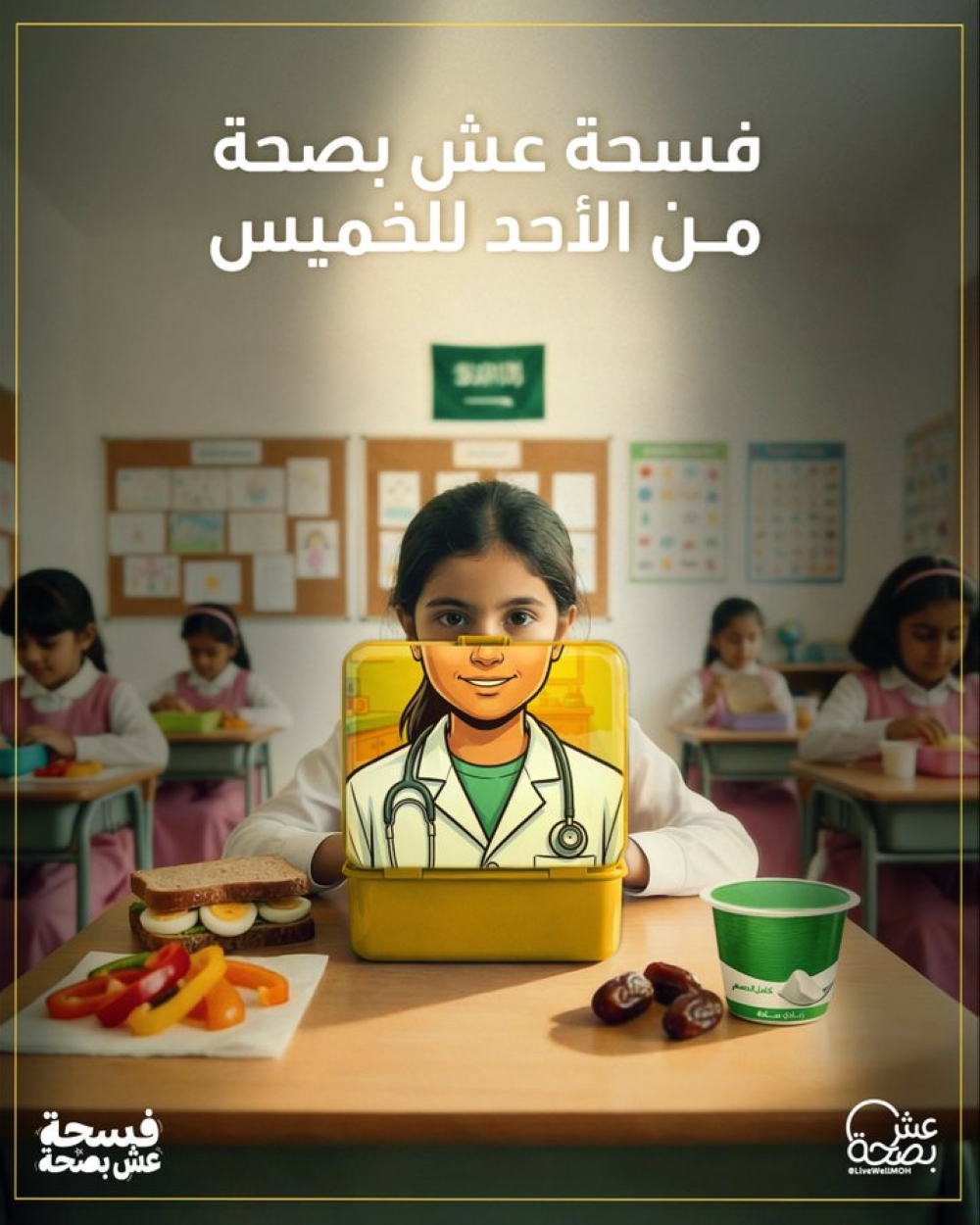
In a move aimed at promoting the health of future generations, the Saudi Ministry of Health has issued a comprehensive guide for students and parents, offering innovative and practical options for preparing healthy school meals . This guide comes in response to the growing need to raise nutritional awareness within the school community and to address contemporary challenges related to unhealthy eating habits and their direct impact on academic achievement and physical development.
Context of the initiative and its national importance
This step falls within the objectives of the "Quality of Life" program, one of the pillars of the Kingdom's Vision 2030, which places great importance on the health of individuals and society. This initiative is particularly significant given global and local health reports indicating rising rates of obesity and malnutrition among children and adolescents due to reliance on fast food and sugary foods. Therefore, through this guide, the Ministry seeks to establish a sustainable nutritional culture starting with students' school bags, which will positively impact the health of Saudi society in the future and reduce the burden on the healthcare sector.
The golden rule: balance and variety
The ministry's guide emphasized what it called the "golden rule" for school meals, which relies on a careful balance between the main food groups. Experts explained that an ideal meal should contain:
- Complex carbohydrates: such as whole grains and wholemeal bread to ensure sustained energy.
- Proteins: to build muscles and tissues.
- Vegetables and fruits: to provide the body with the vitamins and minerals necessary for immunity.
Smart options for an energetic start to the school day
The guide presented a range of practical recipes that families can easily implement to ensure their children meet their nutritional needs:
1. Morning energy sandwiches
The guide suggests opting for wholemeal bread instead of white bread, given its high fiber content which promotes satiety and improves digestion. Stuffing bread with eggs is an ideal option, as eggs provide the protein needed for mental and physical activity in the initial meals.
2. Alternatives to processed sweets
Instead of sweets loaded with artificial sugars, the ministry offered options such as peanut butter sandwiches with natural honey, topped with pieces of fruit like apples and bananas, or homemade oatmeal cookies. These options give students a sweet treat with high nutritional value.
3. Complete lunches
To diversify sources, the guide suggested tuna sandwiches with leafy greens (lettuce), carrots and olives, or oatmeal pancakes made with eggs and whole grains and decorated with strawberries, breaking the routine of traditional food and stimulating the appetite.
The link between nutrition and academic performance
The guide did not overlook the scientific aspect, directly linking diet to student performance in class. The ministry emphasized that students who eat balanced meals demonstrate higher levels of concentration and comprehension. In this context, the guide recommended focusing on consuming fruits and unsalted nuts, especially during exam periods, due to their effectiveness in boosting memory and mental alertness.
Hydration and physical growth
The ministry concluded its advice by emphasizing the importance of drinking water and milk regularly, considering milk a vital and indispensable element for strengthening bones, especially for students in stages of rapid growth or those who practice school sports activities, to ensure a healthy physical structure free from osteoporosis.