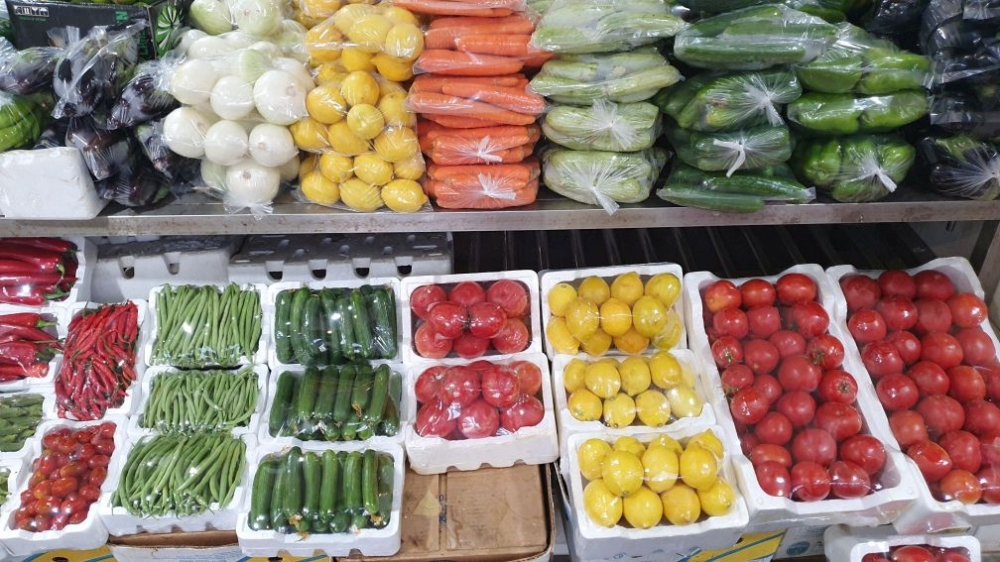
Abundance and stability in the markets with the arrival of Ramadan
With the approach of the holy month of Ramadan, markets in the Eastern Province and the Kingdom in general are witnessing a noticeable stability in vegetable prices and an abundance of fresh, local produce. The Ministry of Environment, Water and Agriculture confirmed that this stability is directly due to the adoption of modern agricultural technologies, which have led to the introduction of dozens of high-quality local varieties, ensuring that the increased demand during the holy month is met and supporting the health of those fasting.
Strategic background: Food security and the Kingdom's Vision 2030
This achievement comes within the context of the strategic transformation underway in the Kingdom of Saudi Arabia to achieve sustainable food security, a key pillar of the Kingdom's Vision 2030. Over the past years, the government has prioritized the development of the agricultural sector to address environmental and climatic challenges, particularly water scarcity. Significant investments in greenhouse projects, drip irrigation systems, and hydroponics have resulted in substantial increases in productivity and reduced reliance on imports, thereby enhancing the resilience of the national economy in the face of fluctuations in global supply chains.
The importance of modern technologies in boosting local production
The Ministry's branch in the Eastern Province explained that all local agricultural products undergo a rigorous series of inspections and quality control measures, starting with the selection of improved seeds, continuing through the application of the latest irrigation systems that ensure water efficiency, and culminating in safe packaging. Engineer Saleh Al-Ghamdi, Deputy Director General of the branch, emphasized that this systematic approach guarantees the delivery of safe, high-quality food products to millions of consumers. These technologies not only contribute to increasing annual production volume but also ensure its continuity throughout the year, thus minimizing seasonal fluctuations and maintaining price stability affordable for all segments of society.
Positive impact on the consumer and the national economy
This success directly benefits the Saudi consumer, who now has a wide variety of fresh vegetables such as tomatoes, cucumbers, potatoes, and leafy greens at stable prices. Furthermore, relying on local produce supports the national economy by empowering local farmers and creating new job opportunities in the agricultural sector and related industries. Regionally, these efforts solidify the Kingdom's position as a leading model in implementing smart agriculture in desert environments, opening up opportunities for cooperation and the exchange of expertise with neighboring countries.
The importance of vegetables in the Ramadan diet
Vegetables are of paramount importance on Ramadan tables, playing a vital role in maintaining the health of those fasting. They are rich in dietary fiber, which improves digestion and prevents constipation. They are also a primary source of vitamins and minerals such as vitamins C and A, and potassium, which replenish the body's lost nutrients during the long hours of fasting. Furthermore, the high water content of vegetables like cucumbers and lettuce helps hydrate the body and combat thirst, making them indispensable components of both Iftar (breaking the fast) and Suhoor (pre-dawn meal) for achieving a healthy nutritional balance.