In a move aimed at strengthening public safety and security, the Saudi Ministry of Interior has published the executive regulations for the Explosives and Fireworks Law on the "Istilaa" platform, enabling the public and relevant authorities to provide their feedback and comments. This step comes as part of the Ministry's commitment to developing the legislative and regulatory environment, ensuring strict control over the handling, use, transport, and storage of explosive materials throughout the Kingdom, and addressing any challenges that may arise in the practical implementation of the law.
An organizational context that keeps pace with developments
The introduction of this regulation aligns with the Kingdom's strategic direction to modernize security systems in accordance with international standards and to meet the needs of major development projects underway in the country, which may require specific uses of explosives in excavation, construction, and mining operations. The "Survey" platform is one of the tools of the National Competitiveness Center, aiming to enhance transparency in the legislative environment, thus giving the private sector and stakeholders the opportunity to participate in shaping decisions before their final adoption.
Precise mechanisms for permits and specialized committees
The draft regulations stipulate strict procedures for granting permits, with applications subject to thorough review by specialized committees. The Standing Committee conducts on-site inspections to verify compliance with all regulatory requirements and standards, accurately determining geographical coordinates. Subcommittees, comprising representatives from the Weapons and Explosives Department and the General Investigations Department, also participate in field inspections to ensure the readiness of the warehouses, the availability of necessary security personnel, and adherence to safety requirements.
Regarding the duration of permits, the regulations stipulate that the permit issued by the Director of Public Security is valid for four years and is renewable, while the permit issued by the regional police directors is valid for two or three years, provided that there is continuous adherence to the approved regulations.
Safety requirements for storage and transportation
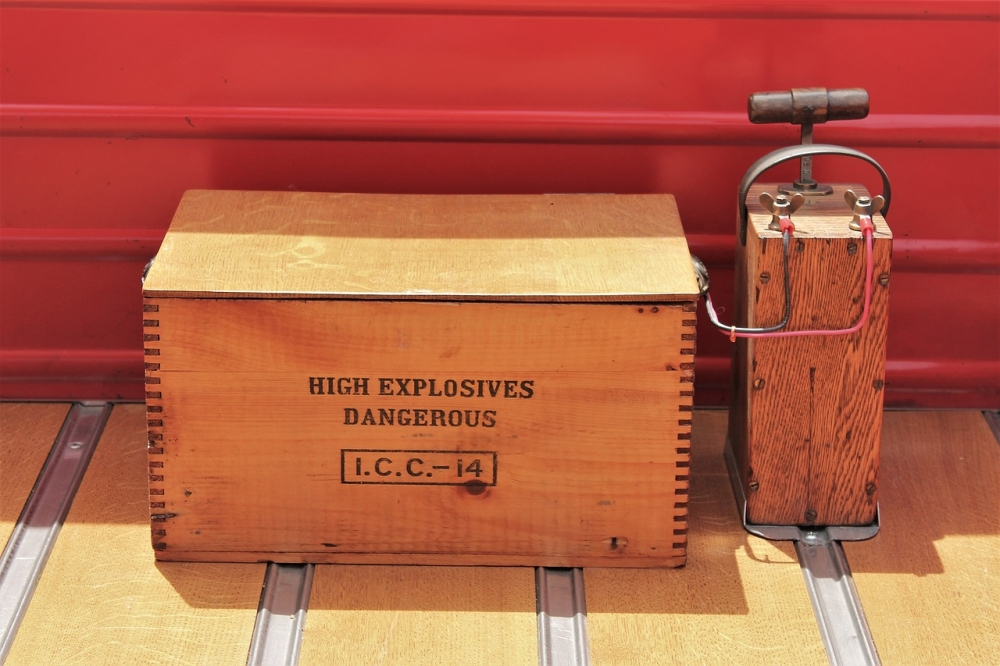
The regulations set precise technical standards for warehouses, including maintaining safe distances of at least 90 cm between stacks and a 50 cm gap between walls and stacks to ensure ventilation. They also emphasized the need for clear identification labels and the use of non-sparking tools when handling boxes. Regarding transportation, the regulations prohibited the transport of explosives in Mecca, Medina, and the holy sites during the Hajj season, and required carriers to notify Saudi Interpol and security authorities well in advance of shipments entering the Kingdom.
Destruction regulations and financial fees
The regulations include a separate section on the destruction of explosives and fireworks, stipulating that such operations must be conducted by a committee comprising representatives from the Civil Defense, the Red Crescent, and technical specialists to ensure the highest levels of safety. The regulations also specify the fees for security guard services for explosives during transport and storage, with pricing commensurate with the distances and security efforts involved.
Regulating the import of firecrackers and fireworks
The regulations stipulate that to engage in the importation of fireworks, the applicant must be a Saudi national or a company owned by Saudis with at least 51% Saudi ownership, and must provide a bank guarantee of 200,000 riyals. The regulations also govern the use of fireworks during festivals and events, and flares in sports stadiums, placing full responsibility on the organizing bodies to ensure the safety of attendees and facilities.