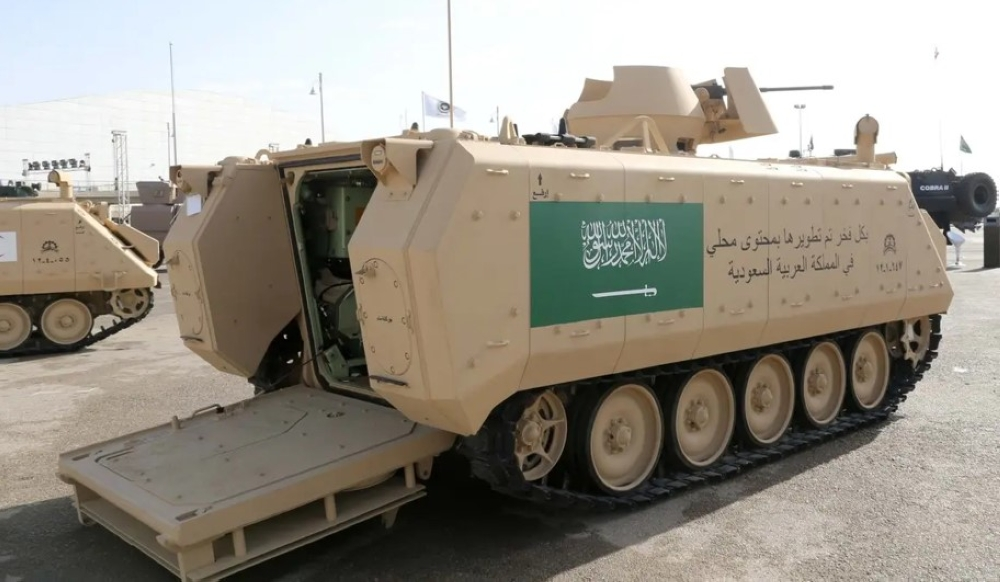
In a strategic move aimed at enhancing the Kingdom of Saudi Arabia’s strategic independence, the General Authority for Military Industries (GAMI) announced a comprehensive policy for localizing maintenance, repair, overhaul, and operation (MRO) of military equipment. This initiative, launched through the “Istilaa” platform, represents a new cornerstone in regulating the sector and clarifying the roles of all stakeholders, aligning with the objectives of Saudi Vision 2030.
Strategic context: Towards localizing 50% of military spending
This policy falls within the Kingdom's broader strategy to localize more than 50% of government military spending by 2030. This strategy extends beyond equipment manufacturing to encompass the lifeblood of defense systems: maintenance and operation (MRO) services. This step is crucial to ensuring the sustainability of military systems and reducing reliance on foreign expertise during crises, thereby strengthening national sovereignty and combat readiness.
Scope of policy and areas of application
The authority clarified that the new policy will apply to all maintenance contracts related to military and security procurement requests, thus covering a wide range of vital sectors, including:
- Air, land, and sea systems.
- Advanced defense electronics.
- Weapons and ammunition systems.
The policy excludes contracts that were signed or tendered before the effective date of this regulation, in order to ensure the stability of the legal positions of current contractors.
The balance between localization and military readiness
The General Authority for Military Industries affirmed that its ultimate goal is to localize the sector, but stressed that "military readiness" remains a paramount and inviolable priority. To achieve this delicate balance, the policy adopted a carefully considered, gradual approach, enhancing the technical and operational capabilities of local contractors without negatively impacting the efficiency of defense equipment.
5 key requirements and implementation mechanisms
The policy established a set of strict controls to ensure the success of localization, most notably:
- Early planning: Obliging beneficiaries to submit maintenance plans 24 months before signing contracts, to determine human capital and spare parts needs.
- Priority for local contractors: Limiting contracts to national companies when technical capability is available.
- Foreign Contracting Ceiling: If it is necessary to contract with a foreign contractor, the percentage of work carried out by him must not exceed 30% of the contract value.
- Knowledge transfer: Requiring technology transfer and national capacity building in any external contracting.
- Periodic reports: Contractors are required to submit quarterly reports to measure localization rates and performance.
Expected economic and security impact
This policy is expected to create thousands of high-quality job opportunities for Saudi nationals in the fields of engineering and precision maintenance. It will also channel significant investments into the local economy instead of allowing them to flow abroad, thus bolstering non-oil GDP. From a security perspective, localizing maintenance ensures rapid response times for repairs and minimizes equipment downtime, a crucial factor in the operational readiness of the armed forces.
It is noted that the policy will come into effect 180 days after its publication, giving all parties sufficient time to adapt their situations to the new standards.