A leading platform for dialogue at the heart of transformations
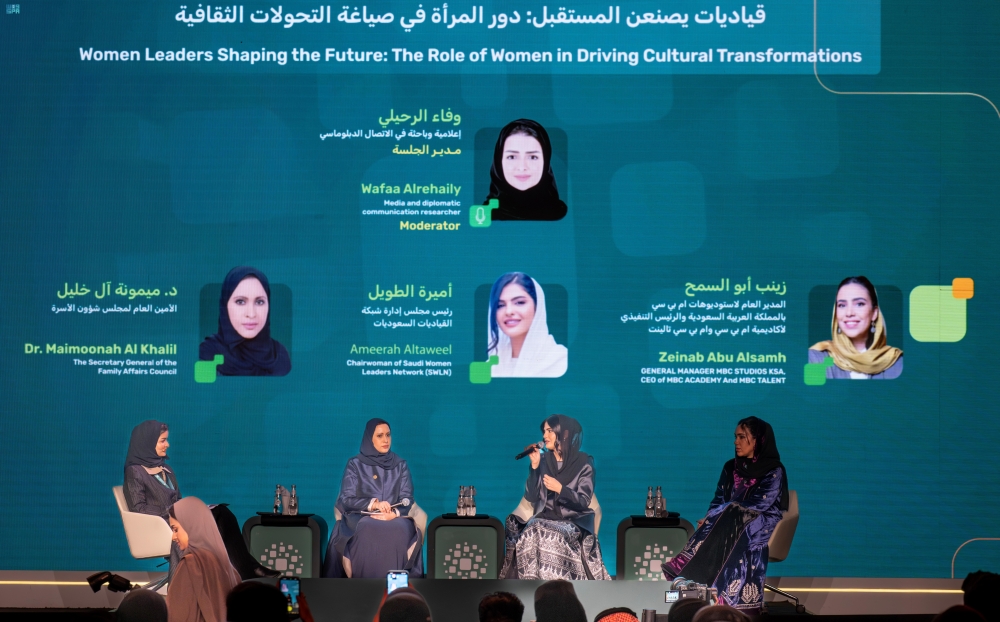
In a move reflecting the growing importance of women's role in the Saudi landscape, the 2024 Saudi Media Forum hosted a panel discussion titled "Women Leaders Shaping the Future: The Role of Women in Shaping Cultural Transformations." The session served as a vital platform to discuss the dimensions of women's empowerment in the Kingdom and their pivotal role in leading cultural and institutional change within the context of the major transformations the country is undergoing. This forum, which has become a prominent media event in the region, underscores the importance of open dialogue on pressing societal issues, particularly those related to sustainable development and human capital.
Vision 2030: The primary driver for women's empowerment
The Kingdom’s Vision 2030 is the strategic framework that has redefined the role of Saudi women, transforming them from mere beneficiaries of development to essential partners in its creation. Speakers at the session emphasized that this transformation would not have been possible without the legislative and institutional support provided by the Vision. Ms. Maimouna Al-Khalil, Secretary-General of the Family Affairs Council, pointed out that women’s empowerment has moved beyond simply providing opportunities to becoming based on competence and tangible successes, affirming that women have become active contributors who add real value to institutional performance. She stressed that the family is the primary incubator for preparing future leaders of both genders, by instilling confidence and providing appropriate knowledge from a young age.
Leading voices: Between challenges and aspirations
The session highlighted the ongoing challenges women face in the workplace. Ms. Amira Al-Taweel, Chair of the Board of Directors of the Saudi Women Leaders Network, explained that some boards of directors still lack effective female representation, and that working women, especially mothers and wives, face challenges requiring greater institutional awareness. She added that the “Qiyadiyat” network, which comprises approximately 200 members managing investments exceeding 30 billion riyals, was established to empower women and enhance their presence in decision-making positions. For her part, Ms. Zainab Abu Al-Samh, CEO of the MBC Academy, emphasized that true empowerment is achieved through partnership with men, and that institutional initiatives such as women's empowerment committees must include genuine decision-makers to effectively address obstacles.
The local and international impact of empowering Saudi women
The empowerment of women in Saudi Arabia has far-reaching implications, extending to regional and international dimensions. Domestically, increased female participation in the labor market contributes to diversifying the national economy and boosting growth rates, aligning with the goals of Vision 2030 to reduce dependence on oil. Regionally, the Saudi experience offers an inspiring model that can encourage other countries in the region to take similar steps. Internationally, this transformation enhances the Kingdom's image as a modern and open nation committed to international standards and striving for comprehensive and sustainable development, thereby attracting foreign investment and strengthening its position on the global stage.
The session concluded with a collective affirmation that the creation of sustainable cultural transformations is based on investing in people and promoting integration between educational, media, and family institutions, with the aim of building a generation of leaders capable of keeping pace with global changes and making women's empowerment a firmly established practice and an integral part of the identity of modern Saudi society.