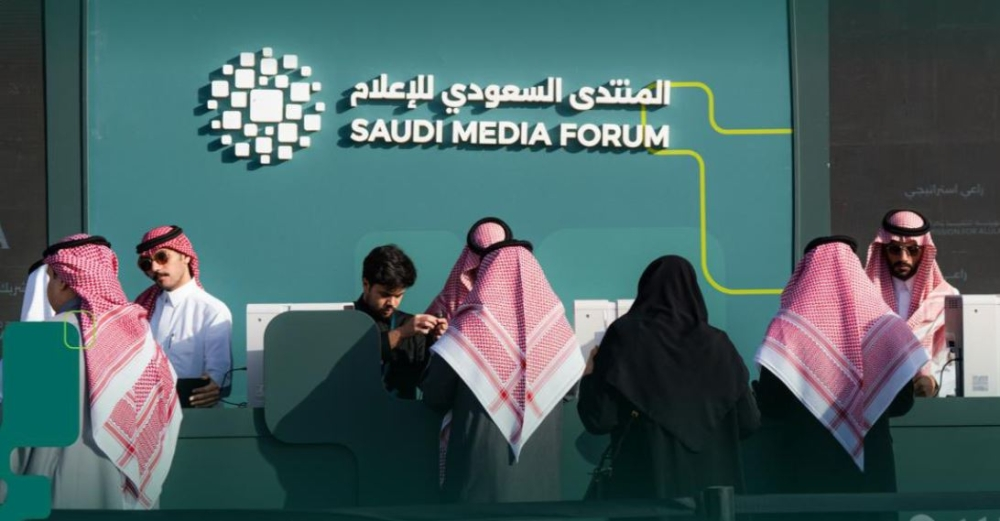
In the heart of Riyadh, as part of Saudi Media Forum , a pivotal panel discussion titled “The Audience: From Receiver to Content Creator” was held, highlighting one of the most significant transformations in the history of modern media. With the participation of leading media figures and experts, the session explored how digital technology and social media platforms have reshaped the relationship between media organizations and their audiences, transforming them from passive consumers of information into active and influential partners in shaping media narratives.
Background to the transformation: From traditional media to digital democracy
These discussions are taking place within the context of a profound historical shift. For decades, traditional media models (newspapers, radio, and television) dominated the landscape, with communication being one-way, flowing information from large institutions to a broad audience. But with the dawn of the internet and the proliferation of smartphones, this equation has been turned on its head. Digital tools have given individuals the ability not only to access information instantly, but also to create their own content and distribute it globally at the click of a button, thus ushering in a new era of “content democratization.”.
Expert insights: The power of platforms and the influence of individuals
During the session, Patrick Rizk, representing the Meta platform, emphasized the immense scale of this transformation, noting that his company's platforms alone boast nearly four billion monthly active users, equivalent to 60% of the world's population. He explained that this widespread adoption was not accidental, but rather the result of cumulative technological development that has empowered individuals with the tools for publishing and direct interaction. Rizk added, "The power of influence has shifted from large corporations to individuals, a phenomenon poised for further expansion in the future." He considered this transformation a strategic opportunity for the Kingdom of Saudi Arabia, which possesses advanced human and digital capabilities aligned with the ambitions of Vision 2030.
For her part, Karina Muhanna explained that the contemporary media landscape is driven directly by the interactions between audiences and content creators. She said, “Media competition is no longer local or regional; it has become truly global. Media organizations today compete with global content available to everyone at any time.” Muhanna emphasized the need to change content creation strategies so that they are not limited to rote learning, but rather invite the audience to actively participate in shaping the story by asking questions and opening discussions, thus fostering a sense of belonging and transforming the viewer into a partner.
Importance and future impact: Media in service of society
This discussion is particularly important in the Kingdom, where youth constitute a large percentage of the population and are the most frequent users of digital platforms. Empowering the public to become content creators aligns with the goals of Vision 2030 to build a vibrant society and a thriving digital economy. Regionally, the Saudi Media Forum reinforces Riyadh's position as the capital of Arab media, addressing future issues and anticipating challenges and opportunities. Internationally, the rise of Saudi content creators gives the Kingdom a new voice on the global stage, capable of presenting its image and stories in innovative ways that resonate more with a global audience.
The session concluded with a collective affirmation that the future of media lies in interaction and partnership. The organizations that will succeed are those that adopt interactive strategies, placing the audience at the heart of the content creation process, to foster trust and achieve a lasting impact in a constantly evolving digital world.