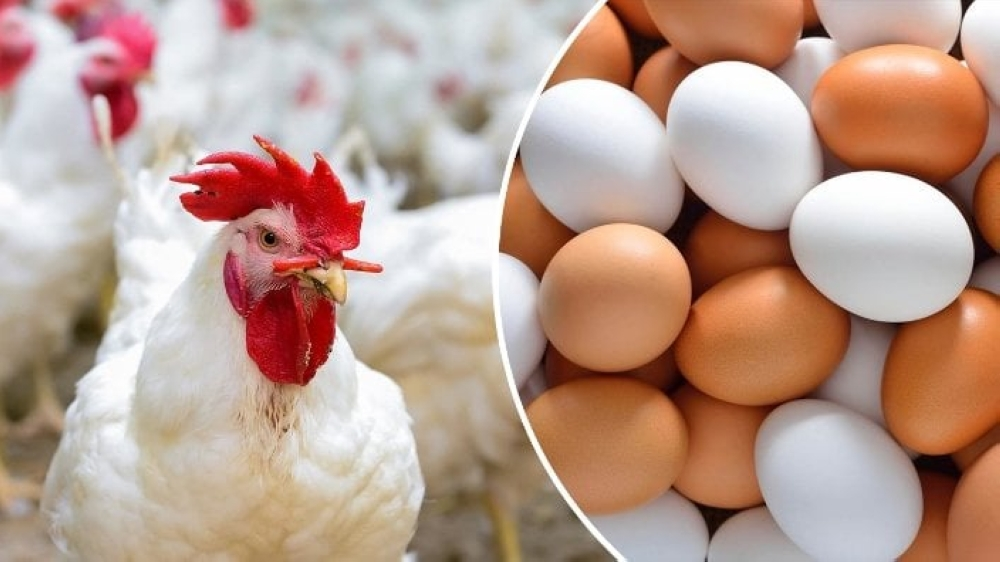
The Saudi Food and Drug Authority (SFDA) has announced its decision to lift the temporary ban on imports of poultry meat, table eggs, and their products from specific regions in Denmark, Ireland, and France. This decision follows confirmation that highly pathogenic avian influenza has been completely contained in those regions, based on official reports issued by the World Organisation for Animal Health (OOAH).
The decision included allowing imports from Southern Denmark in Denmark, Monaghan in Ireland, and Ain in France. The authority based its decision on close monitoring of global veterinary health developments, as immediate notification reports from the World Organisation for Animal Health confirmed that no new disease outbreaks had been recorded recently, thus proving that these regions are free of the epidemic and that the health situation has returned to normal.
The general context of the decisions to impose and lift the bans
Avian influenza, particularly highly pathogenic strains, is a viral disease that poses a significant threat to the global poultry industry, causing substantial economic losses and leading to stringent trade restrictions. Temporary bans imposed by countries, including Saudi Arabia, are a crucial preventative measure to curb the spread of the virus, protect domestic livestock, and ensure the safety of food products for consumers. These bans are lifted according to strict international protocols based on risk assessments and reports from accredited health organizations, primarily the World Organisation for Animal Health (OIE).
The importance of the decision and its expected impact
This decision carries multifaceted strategic importance. Domestically , it directly contributes to enhancing the Kingdom's food security by diversifying import sources and ensuring a continuous supply of poultry meat and eggs, essential commodities in the Saudi market. It also fosters competition in the local market, which could positively impact price stability and provide consumers with a wider range of choices. For importers and the business sector, the decision reopens the door to reactivating trade agreements and resuming relationships with European suppliers.
Internationally , the decision represents a vote of confidence in the health and control measures implemented by Denmark, Ireland, and France to contain the disease, and reflects the Kingdom's commitment to international trade standards based on transparency and scientific principles. It also provides a positive economic boost to poultry producers in these European countries, who are regaining access to a key consumer market in the Middle East.
The authority confirmed that all incoming shipments will be subject to strict control procedures at the Kingdom’s border crossings, including examining the required documents and health certificates and conducting the necessary laboratory tests, to ensure their compliance with Saudi standard specifications and to protect the health and safety of the community.