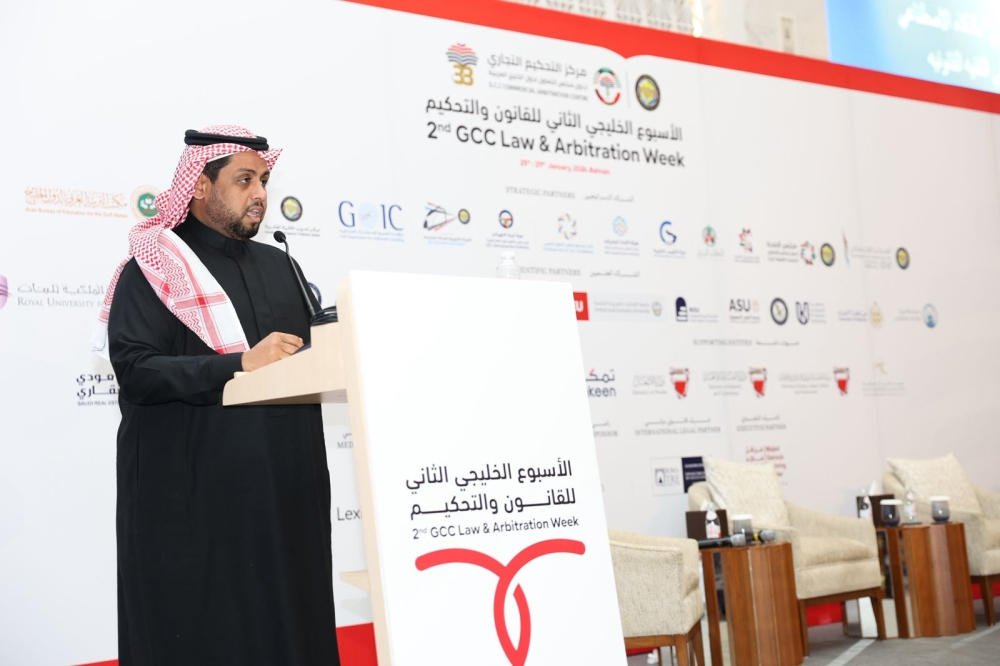
نمو متسارع في القطاع القانوني السعودي
سلط الأسبوع الخليجي الثاني للقانون والتحكيم، المنعقد في المنامة، الضوء على التطورات الهائلة التي يشهدها السوق القانوني في المملكة العربية السعودية، والذي قُدّر حجمه بما يتراوح بين 6 إلى 8 مليارات دولار. يأتي هذا النمو كأحد أبرز ثمار الإصلاحات الاقتصادية والتشريعية الشاملة التي تتبناها المملكة، والتي تهدف إلى خلق بيئة استثمارية جاذبة ومواكبة لأفضل الممارسات العالمية.
السياق التاريخي: رؤية 2030 كمحرك أساسي للتغيير
لا يمكن فهم هذا التحول بمعزل عن “رؤية السعودية 2030″، التي تمثل خارطة طريق طموحة لتنويع الاقتصاد وتقليل الاعتماد على النفط. تطلبت هذه الرؤية تحديثًا جذريًا للبنية التحتية التشريعية والقانونية لجذب الاستثمارات الأجنبية المباشرة وتسهيل ممارسة الأعمال. شملت الإصلاحات تطوير أنظمة التقاضي، وتعزيز آليات فض المنازعات التجارية، وتحديث القوانين المتعلقة بالشركات والاستثمار، مما أدى إلى زيادة الطلب على الخدمات القانونية المتخصصة وساهم في توسع السوق بشكل غير مسبوق.
الذكاء الاصطناعي: ثورة تقنية في المحاماة
أكد الخبير التقني محمد السلومي أن التقنية تلعب دورًا محوريًا في هذا النمو، مشيرًا إلى أن 79% من المحامين حول العالم يستخدمون أدوات الذكاء الاصطناعي في أعمالهم اليومية. وفي المملكة، يتسارع تبني التقنيات القانونية (LegalTech) بوتيرة لافتة، حيث من المتوقع أن يتجاوز حجم سوقها العالمي 50 مليار دولار قريبًا. يُستخدم الذكاء الاصطناعي في تحليل العقود، وإجراء الأبحاث القانونية المعقدة، وإدارة القضايا بكفاءة أعلى، مما يوفر الوقت والجهد ويقلل من هامش الخطأ البشري. كما كشف مركز الأحساء للتحكيم عن إطلاق منصة تحكيم إلكترونية تستعين بالذكاء الاصطناعي لضبط الإجراءات وتسهيل الوصول إلى المعلومات، مما يعزز من شفافية وسرعة عمليات التحكيم.
تمكين المرأة: وجه مشرق للقطاع القانوني
يُعد تزايد دور المرأة في القطاع القانوني أحد أبرز ملامح هذا التطور. فبعد أن مُنحت أول رخصة محاماة لامرأة في عام 2013، شهد القطاع قفزة نوعية، حيث بلغ عدد المحاميات المرخصات 3416 محامية في عام 2023، بنسبة زيادة بلغت 21.4% عن عام 2016. وأشارت المحامية د. خلود الغامدي إلى أن المرأة لم تعد تقتصر على ممارسة المحاماة، بل أصبحت شريكًا فاعلًا في تأسيس الشركات القانونية، وشغل مناصب قيادية في الإدارات القانونية بالشركات ووزارة العدل. ويعكس هذا الحضور القوي نجاح سياسات تمكين المرأة وزيادة مشاركتها في سوق العمل، وهو أحد الأهداف الرئيسية لرؤية 2030.
تطوير آليات التحكيم لتعزيز ثقة المستثمرين
لضمان بيئة أعمال مستقرة، أولت المملكة اهتمامًا كبيرًا بتطوير قطاع التحكيم التجاري كبديل فعال وسريع لفض المنازعات. وأوضح د. علي المشنوي، رئيس اللجنة الدائمة لمراكز التحكيم، أن اللجنة تشرف على إصدار التراخيص للمراكز المتخصصة مثل التحكيم العقاري والهندسي. ويهدف المركز السعودي للتحكيم العقاري، الذي استقبل آلاف القضايا منذ عام 2019، إلى تسوية النزاعات قبل وصولها للقضاء. إن وجود آليات تحكيم حديثة ومتناغمة مع القواعد الدولية يبعث برسالة طمأنة للمستثمرين المحليين والدوليين، ويؤكد على جدية المملكة في حماية الحقوق وتوفير مناخ استثماري آمن.
الأهمية والتأثير المستقبلي
إن النمو المتسارع للسوق القانوني السعودي، مدفوعًا بالتقنية وتمكين المرأة والإصلاحات التشريعية، له تأثيرات عميقة تتجاوز حدود المملكة. فعلى الصعيد المحلي، يعزز من سيادة القانون ويرفع من كفاءة النظام العدلي. إقليميًا، يضع المملكة كمركز رائد للخدمات القانونية والتحكيم في الشرق الأوسط. ودوليًا، يزيد من جاذبية السعودية كوجهة للاستثمارات العالمية، مما يساهم بشكل مباشر في تحقيق أهداف التنمية المستدامة لرؤية 2030.