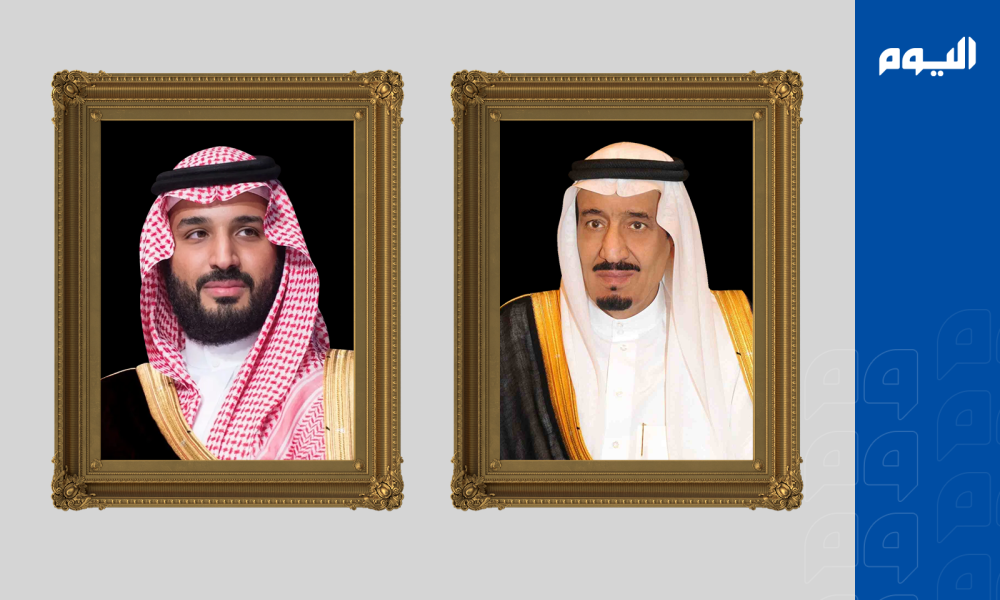
The Custodian of the Two Holy Mosques, King Salman bin Abdulaziz Al Saud, sent a cable of congratulations to His Excellency President Kais Saied of the Republic of Tunisia on the occasion of Tunisia's Independence Day . In his cable, the King expressed his sincerest congratulations and best wishes for the President's continued health and happiness, and for the continued progress and prosperity of the government and people of the brotherly Republic of Tunisia in all fields. This message of congratulations underscores the deep fraternal ties that bind the Kingdom of Saudi Arabia and the Republic of Tunisia.
In a related context, His Royal Highness Prince Mohammed bin Salman bin Abdulaziz Al Saud, Crown Prince and Prime Minister, sent a similar congratulatory cable to His Excellency President Kais Saied on the occasion of his country's Independence Day. His Royal Highness expressed his warmest congratulations and best wishes for continued health and happiness to His Excellency, and wished the government and brotherly people of Tunisia further prosperity and progress. These cables reflect the keenness of the wise leadership to share in the joys and national occasions of Arab and Islamic countries, thus strengthening the bonds of affection and joint cooperation.
Bright milestones in the national liberation struggle
The anniversary of Tunisia's independence represents a pivotal historical moment in the memory of the Tunisian people and the entire Arab nation. On March 20, 1956, Tunisia crowned a long and arduous struggle against decades of French colonialism by declaring its full independence and building its modern state. Tunisians made immense sacrifices through successive national resistance movements, led by dedicated national leaders, making this anniversary a symbol of resilience and free will. Commemorating this era is not merely a celebration, but a renewal of the commitment to continue building the nation and protecting its achievements, attained thanks to the blood of martyrs and the efforts of successive generations.
Dimensions and implications of celebrating Tunisia's Independence Day
The celebration of Tunisia's Independence Day carries profound dimensions that extend beyond local borders to encompass regional and international influence. Domestically, this day represents an opportunity to strengthen national unity and consolidate efforts towards achieving comprehensive development, addressing current economic and social challenges, and building a brighter future for generations to come. Regionally, Tunisia's stability and prosperity are a cornerstone of security in North Africa and the Mediterranean region, and a model to be emulated in upholding national sovereignty.
Strategic partnership and deep-rooted fraternal relations
The brotherly and friendly nations, foremost among them the Kingdom of Saudi Arabia, view Tunisia as a vital strategic partner with significant political and cultural influence in the region. The strong and historically deep-rooted bilateral relations contribute to supporting Tunisia's development and strengthening joint Arab action in various international forums. The exchange of congratulations and official messages between the two leaderships on such glorious national occasions reinforces the principles of Arab solidarity, affirms a shared destiny, and opens broader horizons for constructive cooperation in the economic, investment, and cultural fields, benefiting both countries and their brotherly peoples.