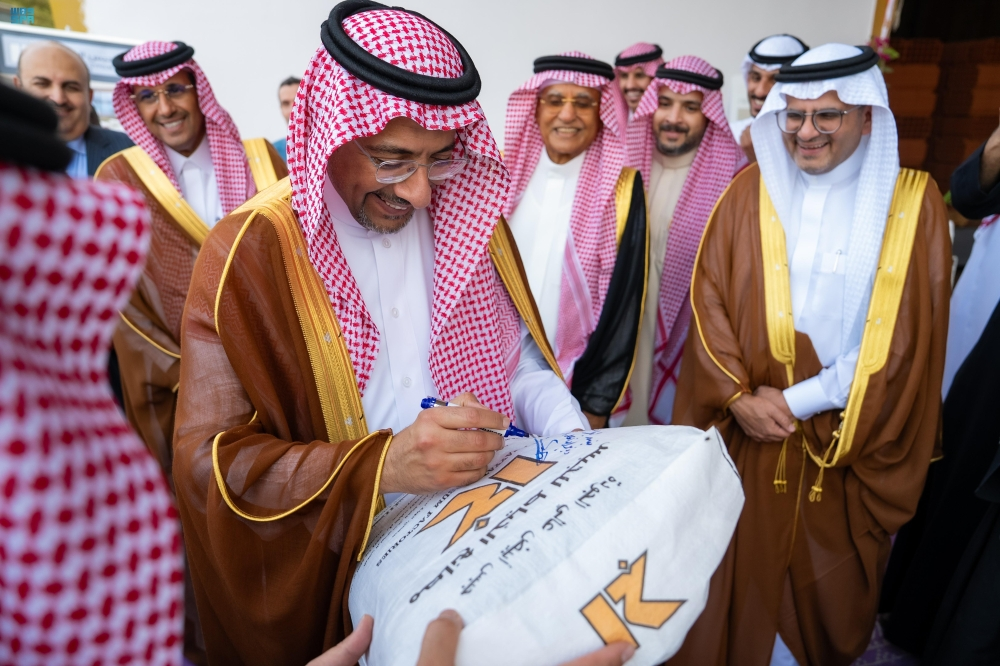
في خطوة استراتيجية تهدف إلى تعزيز الاستدامة البيئية ودعم القدرة التنافسية للقطاع الصناعي، قام معالي وزير الصناعة والثروة المعدنية، الأستاذ بندر بن إبراهيم الخريف، بزيارة تفقدية لعدد من مصانع الطوب الأحمر، حيث دشن خلالها “مبادرة إزاحة الوقود السائل”، التي تمثل نقلة نوعية في مسار التحول نحو ممارسات صناعية أكثر أمانًا وكفاءة واستدامة.
سياق المبادرة ضمن رؤية المملكة 2030
تأتي هذه المبادرة في إطار الجهود الوطنية الشاملة التي تقودها المملكة العربية السعودية لتحقيق مستهدفات رؤية 2030، والتي تضع التنمية المستدامة والتنويع الاقتصادي في صميم أولوياتها. فلطالما اعتمدت العديد من القطاعات الصناعية التقليدية على الوقود السائل (مثل الديزل وزيت الوقود الثقيل) كمصدر أساسي للطاقة، وهو ما كان يرتبط بتكاليف تشغيلية متقلبة، ومخاطر بيئية وصحية، وانبعاثات كربونية مرتفعة. وتعمل وزارة الصناعة والثروة المعدنية بشكل حثيث على تمكين المصانع الوطنية من تبني تقنيات حديثة ومصادر طاقة أنظف، بما ينسجم مع التزامات المملكة البيئية الطموحة، وعلى رأسها مبادرتا “السعودية الخضراء” و”الشرق الأوسط الأخضر”.
أهمية المبادرة وتأثيرها المتوقع
تكتسب مبادرة إزاحة الوقود السائل أهميتها من أبعادها المتعددة التي تتجاوز مجرد تغيير مصدر الطاقة. فعلى الصعيد المحلي، يُتوقع أن تسهم المبادرة في تحقيق فوائد اقتصادية وبيئية وتشغيلية كبيرة:
- خفض التكاليف التشغيلية: يؤدي التحول إلى مصادر طاقة أكثر كفاءة واستقرارًا، مثل الغاز الطبيعي، إلى خفض فاتورة الطاقة للمصانع، مما يعزز من ربحيتها وقدرتها على المنافسة في الأسواق المحلية والدولية.
- تعزيز السلامة المهنية: يقلل الاستغناء عن الوقود السائل من المخاطر المرتبطة بتخزينه ونقله واستخدامه، مما يوفر بيئة عمل أكثر أمانًا للعاملين في المنشآت الصناعية.
- خفض الانبعاثات الكربونية: يعد القطاع الصناعي أحد المصادر الرئيسية للانبعاثات. ومن خلال هذه المبادرة، ستتمكن المملكة من تحقيق خفض ملموس في بصمتها الكربونية، مما يدعم جهودها في مكافحة التغير المناخي والوصول إلى الحياد الصفري بحلول عام 2060.
الانعكاسات الإقليمية والدولية
على المستوى الإقليمي، ترسخ هذه الخطوة مكانة المملكة كرائدة في مجال التحول الصناعي المستدام، وتقدم نموذجًا يمكن أن تحتذي به دول المنطقة لتطوير قطاعاتها الصناعية مع مراعاة المعايير البيئية. أما دوليًا، فإن تبني الصناعات السعودية لممارسات صديقة للبيئة يعزز من سمعة المنتج الوطني ويفتح أمامه أسواقًا جديدة، خاصة في ظل تزايد الطلب العالمي على المنتجات المصنعة وفقًا لمعايير الاستدامة، وتجنب أي رسوم كربونية مستقبلية قد تُفرض على الواردات. إن هذه المبادرة هي شهادة عملية على أن النمو الصناعي وحماية البيئة يمكن أن يسيرا جنبًا إلى جنب في إطار رؤية مستقبلية واضحة.