متابعة دقيقة لتسريع وتيرة الإنجاز
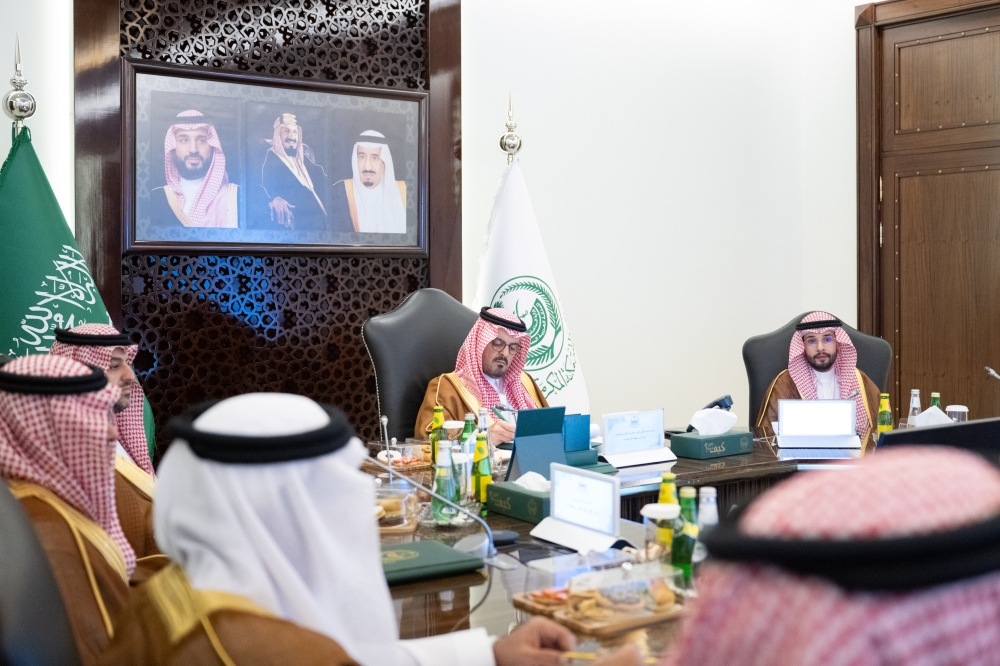
بتوجيهات من مستشار خادم الحرمين الشريفين، أمير منطقة مكة المكرمة، صاحب السمو الملكي الأمير خالد الفيصل، تتسارع وتيرة العمل والمتابعة لأحد أضخم المشاريع الاستراتيجية في المملكة. وفي هذا الإطار، ترأس نائب أمير المنطقة، رئيس اللجنة التوجيهية لمسار الجسر البري، صاحب السمو الملكي الأمير سعود بن مشعل بن عبدالعزيز، اجتماعًا محوريًا في مقر الإمارة. جرى خلال الاجتماع استعراض شامل لآخر مستجدات مشروع الجسر البري، وبحث سبل تقديم الدعم اللازم لضمان سير الأعمال وفق الجداول الزمنية المحددة. وتأكيدًا على أهمية إزالة أي عوائق، وجّه سموه بتشكيل لجنة فنية متخصصة، تكون منبثقة من اللجنة التوجيهية، لتتولى مهمة المتابعة الميدانية الدقيقة وتذليل كافة العقبات التي قد تواجه مراحل التنفيذ المختلفة.
الجسر البري: شريان اقتصادي في قلب رؤية 2030
يُعد مشروع الجسر البري السعودي حجر الزاوية في الاستراتيجية الوطنية للنقل والخدمات اللوجستية، وأحد الممكنات الرئيسية لتحقيق مستهدفات رؤية المملكة 2030. يهدف المشروع إلى إنشاء شبكة سكك حديدية متطورة تمتد لنحو 1,300 كيلومتر، لتربط ميناء جدة الإسلامي على ساحل البحر الأحمر غربًا، بميناء الملك عبدالعزيز في الدمام على ساحل الخليج العربي شرقًا، مرورًا بالعاصمة الرياض. هذا الربط لا يقتصر على المدن الرئيسية الثلاث، بل يشمل ربط الموانئ الحيوية والمراكز الصناعية الكبرى مثل مدينة ينبع الصناعية ومدينة الجبيل الصناعية وميناء الملك عبدالله، مما يخلق منظومة لوجستية متكاملة هي الأولى من نوعها في المنطقة.
أهمية استراتيجية وتأثيرات اقتصادية واسعة
تتجاوز أهمية المشروع حدود النقل التقليدي، لتمثل نقلة نوعية في مكانة المملكة كمركز لوجستي عالمي يربط بين قارات آسيا وأوروبا وأفريقيا. من المتوقع أن يُحدث الجسر البري ثورة في حركة الشحن والبضائع، حيث سيختصر مدة نقل البضائع بين الساحلين من عدة أيام عبر البحر إلى أقل من 24 ساعة عبر السكك الحديدية، مما يعزز كفاءة سلاسل الإمداد ويخفض تكاليف النقل والتأمين بشكل كبير. على الصعيد المحلي، سيسهم المشروع في تحفيز النمو الاقتصادي عبر تسهيل حركة التجارة الداخلية، وتوفير آلاف الفرص الوظيفية المباشرة وغير المباشرة للمواطنين، بالإضافة إلى إنشاء سبعة مراكز لوجستية ضخمة على امتداد المسار لدعم عمليات التخزين والتوزيع وإعادة التصدير، مما يعزز من التنويع الاقتصادي ويقلل الاعتماد على النفط.
تأثير إقليمي ودولي
إقليميًا، سيوفر الجسر البري ممرًا آمنًا وسريعًا لحركة التجارة بين دول مجلس التعاون الخليجي والأسواق العالمية، مقدماً بديلاً استراتيجياً للممرات المائية التقليدية. أما دوليًا، فيعزز المشروع من جاذبية المملكة للاستثمارات الأجنبية في قطاعات النقل والخدمات اللوجستية والصناعة، ويرسخ دورها كلاعب محوري في حركة التجارة العالمية، متكاملاً مع المبادرات الدولية الكبرى الهادفة إلى تعزيز الربط التجاري العالمي.